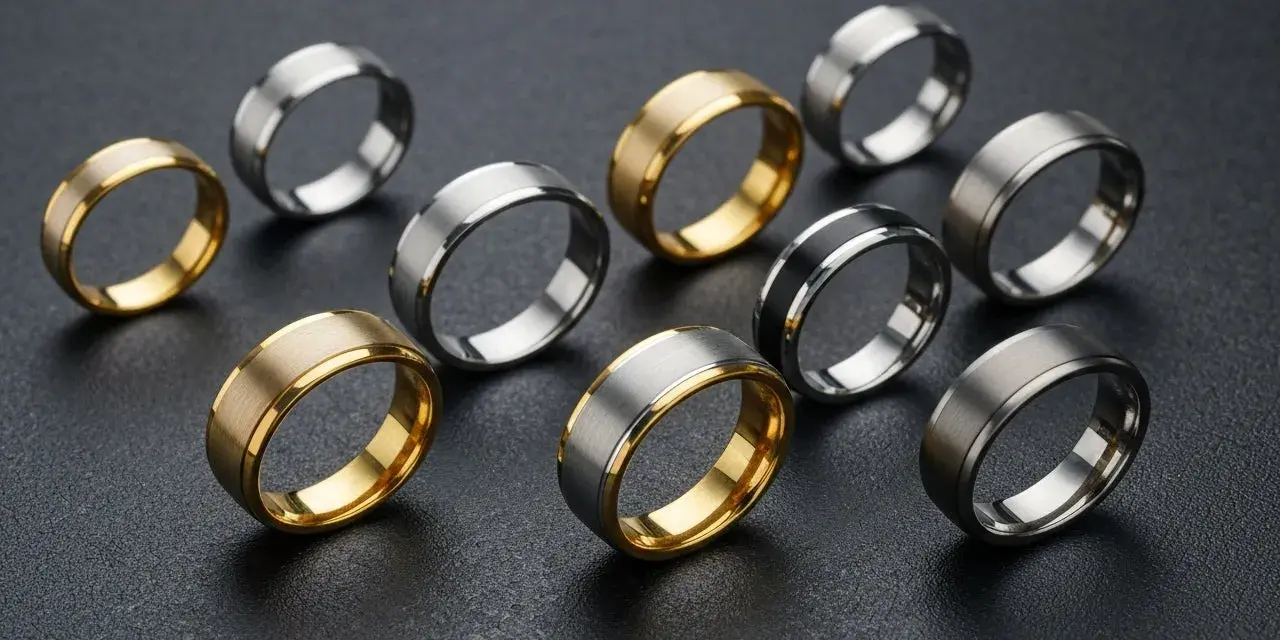
Choosing a men’s wedding band is less about chasing a single perfect option and more about matching metal to real life. The right ring has to suit his work, skin, style, and patience for maintenance, because a band worn every day has to do much more than look good in a box. There is no universal answer when it comes to the best metal for men's wedding band, but there is a very clear way to narrow it down.
In practice, I start with four questions: does it need to feel light or substantial, can it be resized later, will it face knocks or chemicals, and does the wearer want a precious metal with a traditional feel or a modern alternative that gives more durability for the money? Once those basics are clear, the shortlist usually becomes obvious.
The right metal depends on daily wear, comfort, and how much upkeep you will accept
- Platinum is the strongest all-round precious-metal choice for most men because it is durable, hypoallergenic, and easy to live with over time.
- Titanium is the best low-weight, low-maintenance option if budget and comfort matter more than precious-metal status.
- Tungsten offers excellent scratch resistance, but it is brittle and usually cannot be resized.
- White gold gives a classic look, though it may need occasional rhodium replating.
- In the UK, hallmarks matter on precious metals, so the stamp inside the band is worth checking before you buy.
Before I name a winner, I separate the question of appearance from the question of performance. A ring can look sharp on day one and still be a poor long-term choice if it scratches badly, cannot be resized, or becomes uncomfortable after a long workday. That is why durability is not just about hardness; it is also about toughness, stability, and whether the metal can be repaired later.
- Scratch resistance matters if the ring will meet tools, gym equipment, or hard surfaces often.
- Toughness matters if the band may take impacts, because some very hard metals can still crack.
- Weight changes the feel a lot more than most buyers expect, especially on wider bands.
- Resizing is a practical issue, not a minor detail, because finger size can change over time.
- Maintenance decides whether the ring keeps its finish easily or needs periodic attention.
Once I have those five points in view, the comparison becomes much more honest and much less driven by showroom shine.
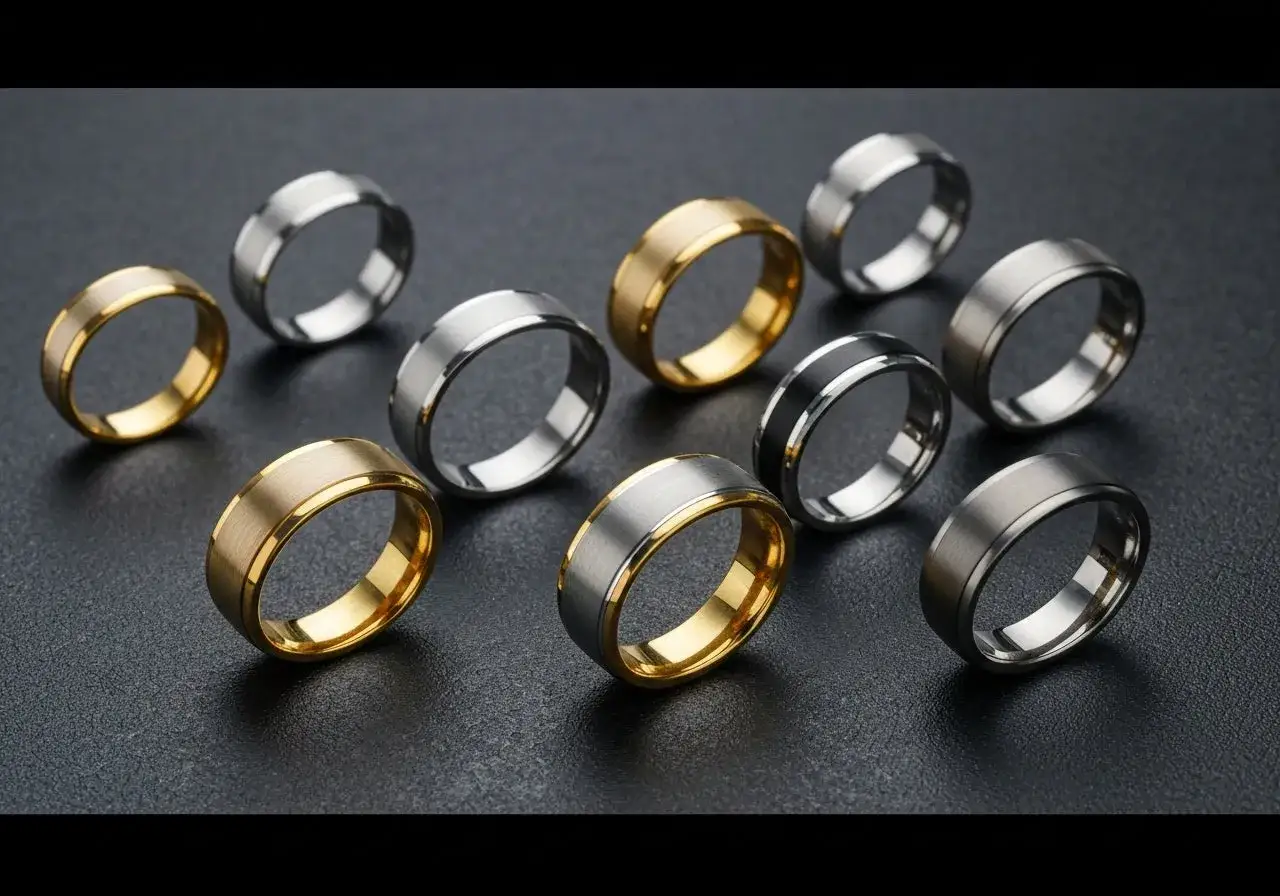
The metals I would shortlist first
If I had to rank the main contenders quickly, I would start with platinum for the best all-round precious-metal choice, then palladium for a slightly lighter white-metal feel, then titanium if comfort and price matter most, and tungsten if scratch resistance is the main priority. Gold still belongs in the conversation, but the right karat makes a big difference.
| Metal | What it does best | Main drawback | Typical UK retail examples |
|---|---|---|---|
| Platinum | Hypoallergenic, durable, white in colour, and easy to service over time | More expensive and heavier than most alternatives | Plain men’s bands commonly appear around £1,150 to £1,750, with decorative versions higher |
| Palladium | Similar visual appeal to platinum, usually lighter, and a little less costly | Less common in shops, so choice can be narrower | Examples around £850 to £950 are common in UK listings |
| White gold | Classic white-metal look with a familiar bridal feel | May need rhodium replating to keep the colour bright | 9ct examples often sit around £550 to £650; 18ct versions can run from about £1,150 to £1,250 and up |
| Yellow gold | Warm, traditional, and easy to repair or resize | Softer than platinum and more prone to visible wear | 9ct bands can start around £450 to £875; 18ct versions are often £1,250 to £2,250 depending on width |
| Titanium | Very light, strong, low-maintenance, and comfortable for everyday wear | Usually cannot be resized and feels less traditional | Men’s bands often appear around £85 to £165 |
| Tungsten carbide | Excellent scratch resistance and a modern, polished look | Brittle under impact and usually impossible to resize | UK examples commonly sit around £200 to £220 |
| Sterling silver | Low entry price and a bright finish | Soft, tarnishes, and is not my first choice for a lifelong wedding band | Men’s rings can be found around £80 to £130 |
The table makes the trade-offs plain. Platinum is the safest luxury choice because it balances prestige, comfort, and longevity without introducing many hidden compromises. Titanium wins on lightness and budget. Tungsten wins on scratch resistance. Gold wins on tradition. Silver wins on price, but it falls behind on long-term practicality.
The reason I still favour platinum for many buyers is simple: it solves more problems than it creates. It wears well, it suits a broad range of skin tones and styles, and it can usually be worked on by a jeweller later if the ring needs attention. That matters more over ten or twenty years than a lot of people realise.
Which metal fits which kind of wearer
The “best” metal changes fast once I start thinking about lifestyle instead of product specs. A groom who works at a desk, lifts weights, and likes a discreet ring has different needs from someone who uses tools, works outdoors, or wants a heavier ring with a more traditional presence.
For someone who wants the least fuss
Platinum is the best starting point if the ring should feel permanent, balanced, and dependable. It is particularly good for men who do not want to think about replating, plating wear, or a ring that looks dramatically different after a year. Palladium is the close alternative if a slightly lighter feel is welcome.
For active work or a very physical routine
Titanium usually makes more sense than gold or silver because it is light, strong, and comfortable through long days. Tungsten is harder on the surface, but I treat it as a different kind of durability: it resists scratches very well, yet it can crack if struck hard. If the wearer is rough on hands, that brittleness matters as much as hardness.
For sensitive skin
Platinum, palladium, and titanium are the safest places to begin. White gold can be perfectly fine, but the alloy mix matters, and some people react to metals in lower-quality blends. If skin comfort has ever been a problem with jewellery before, I would not gamble on a mystery alloy just because it looks right in a photo.
Read Also: Engagement Ring Styles - Choose Your Perfect Match
For a traditional wedding look
Yellow gold still feels timeless for good reason. If the wearer wants warmth and heritage, it delivers that instantly. I would usually choose 18ct if the brief is richer colour and a more luxurious feel, and 9ct if the priority is durability, affordability, and a ring that can take a little more everyday wear without losing its appeal.
Once the lifestyle is clear, the final step is to check the ring properly, especially if you are buying in the UK where precious-metal markings are part of the decision.
What UK buyers should check before ordering
In the UK, precious-metal wedding bands are not just a style purchase; they are also a marked item with legal and practical details worth checking. If a ring is sold as gold, silver, platinum, or palladium, the hallmark inside the band tells you the fineness, and that is more than decorative information.
- Look for the hallmark if the ring is made of precious metal. For UK rings, hallmarking matters once the piece passes the legal weight threshold, which is 1g for gold, 7.78g for silver, 0.5g for platinum, and 1g for palladium, subject to exemptions.
- Learn the fineness marks. A 950 stamp means 95% platinum, while 750 means 18ct gold. A 925 stamp means sterling silver.
- Ask about resizing before you buy. Platinum and gold are generally serviceable; titanium and tungsten usually are not.
- Check the finish. High polish shows scratches more readily, while brushed and matte finishes hide wear better but can soften over time.
- Think about the profile. A comfort-fit band often feels better for everyday use because the inner surface is slightly rounded.
- Be careful with white gold. If you like its colour, ask whether the ring is rhodium plated and how often it may need refreshing.
These details sound small, but they are exactly what separates a ring that feels right for years from one that becomes annoying after the honeymoon.
The mistakes that make a good ring feel wrong
The biggest mistake I see is people treating metal choice as a style decision only. It is not. A men’s wedding band is an everyday object, and the wrong metal can become a constant low-grade irritation. Most regrets come from one of five places.
- Choosing scratch resistance over repairability. Tungsten looks excellent for a long time, but if resizing matters later, it is the wrong bet.
- Confusing weight with quality. A heavy ring can feel luxurious, but a light ring can be more comfortable and more practical.
- Ignoring maintenance. White gold and silver are much more demanding than they first appear.
- Buying silver as a forever ring without understanding the trade-offs. It can work, but it is soft and tarnishes, so I would only use it when budget is the defining factor.
- Overlooking the hand itself. Wide bands, swelling, and knuckle shape affect wearability more than the marketing copy suggests.
I also think people underestimate how much the finish changes the impression of a metal. A brushed platinum band looks very different from a high-polish platinum band, even though the underlying metal is the same. That is useful, because sometimes the right answer is not a different metal at all but a better finish or width.
What I would choose for a groom in the UK
If I were narrowing the field today, I would make the decision like this. Platinum first, if the goal is the most balanced precious-metal choice for everyday wear. Palladium next, if the wearer wants a similar white-metal look with less weight and a slightly gentler price point. Titanium if comfort, lightness, and value matter most. Tungsten only if scratch resistance is the priority and the wearer is happy to live with its resizing limits. Gold remains the right answer when tradition, colour, and repairability matter more than modern toughness.
For most men, I would not pick sterling silver as the final answer unless the budget is tight or the ring is meant for occasional wear rather than a lifetime of daily use. And if white gold is the favourite visually, I would buy it with open eyes: it is beautiful, but it asks for a little more upkeep than platinum.
There is no universal answer when it comes to the best metal for men's wedding band, because the right ring is the one he can wear comfortably, maintain easily, and still love years from now. That is the standard I would use before paying for engraving, a decorative profile, or a more unusual finish.