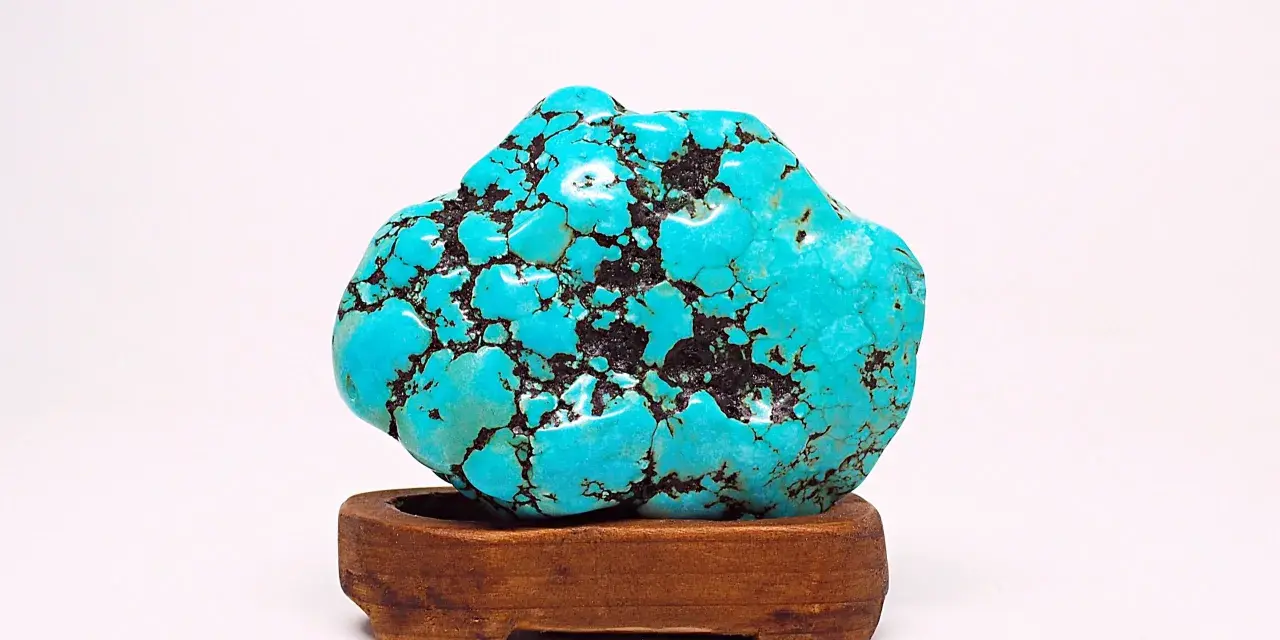
Sagittarius spans late November and most of December, so its gemstone story is broader than many people expect. The simplest answer is that the Sagittarius stone is not a single gem. In practice, it is a small family of birthstones, and the best choice depends on whether you want symbolism, colour, durability, or a piece that will actually be worn.
Key things to know about Sagittarius birthstones
- Sagittarius runs from about 22 November to 21 December, so it overlaps two monthly birthstone lists.
- The most common stones are topaz, citrine, turquoise, tanzanite, and zircon.
- For everyday jewellery, topaz and citrine are the most practical choices.
- Turquoise has the strongest vintage feel, but it is softer and needs gentler care.
- Tanzanite and zircon offer a more elevated look, especially in earrings and pendants.
- In the UK, the metal and setting matter almost as much as the stone itself.
Why Sagittarius is linked to more than one stone
Birthstones are not as rigid as people often assume. The modern month-based system was standardised much later than the older zodiac traditions, which is why Sagittarius gets pulled in more than one direction: November gives you topaz and citrine, while December brings turquoise, tanzanite, zircon, and often blue topaz as a popular modern option. That overlap is not a mistake; it is the whole reason Sagittarius jewellery tends to feel more flexible than, say, a sign with one very dominant stone.
I like that ambiguity, because it makes the choice more personal. Instead of asking which gem is “correct”, I ask which one suits the wearer’s routine, colour preferences, and budget. That distinction matters, because the right stone is usually the one that will be worn often, not the one that sounds most symbolic on paper.
That brings us to the practical part: the main Sagittarius stones and what each one actually brings to a piece.
The stones most often linked to Sagittarius
I would group the core options into five stones. Each has its own look, durability, and best use, which is why the “best” Sagittarius gem depends so much on the kind of jewellery you want.
| Stone | What it brings to the piece | Durability | Best use |
|---|---|---|---|
| Topaz | Bright, clean colour and a classic winter feel; blue topaz is especially popular for December jewellery. | Mohs 8, but it can chip if knocked hard and does not like sudden temperature changes. | Rings, pendants, and everyday pieces with a low, protective setting. |
| Citrine | Warm yellow to amber tones that suit a more cheerful, sunlit look. | Mohs 7 with good toughness, so it handles normal wear well. | Most jewellery types, including rings that are worn regularly. |
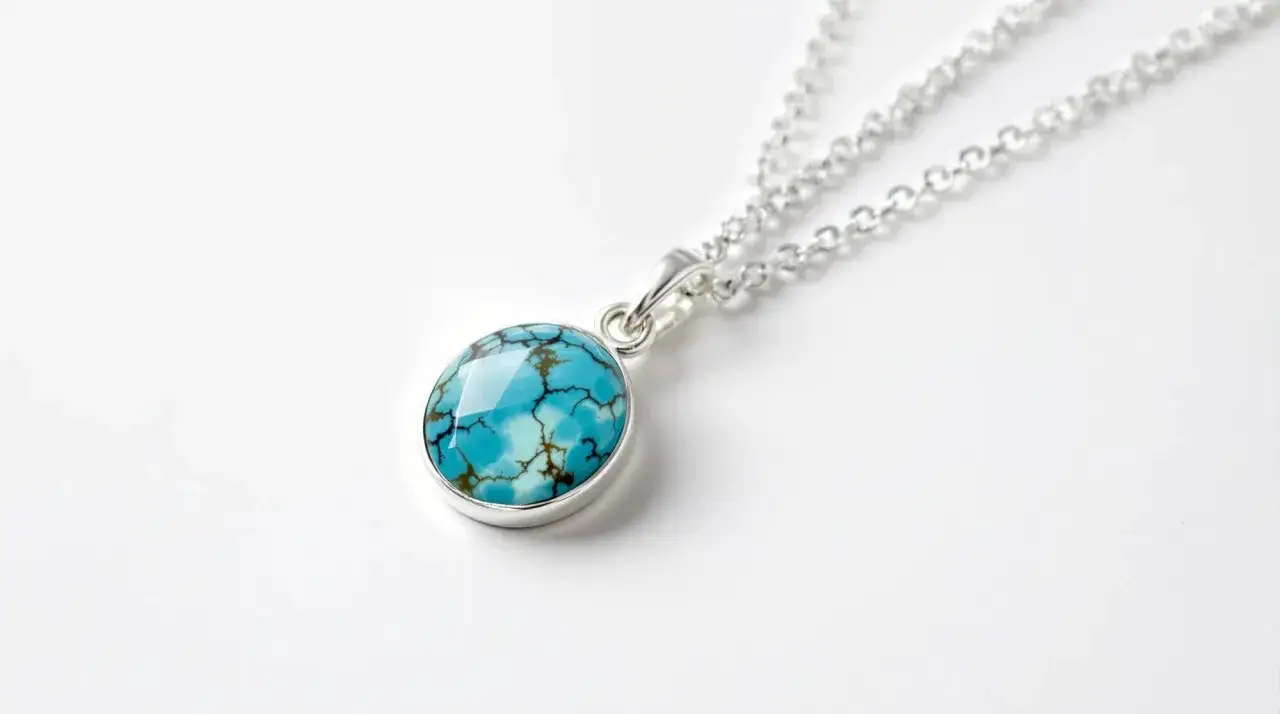
| Turquoise | Blue-green colour with a strong heritage feel and an easy way to make a piece look distinctive. | Mohs 5 to 6, so it is softer and often treated for durability. | Earrings, pendants, brooches, and protected designs. |
| Tanzanite | Violet-blue colour with a richer, more refined look than many shoppers expect. | Mohs 6 to 7, stable in normal wear but better kept away from harsh impact and heat. | Earrings, pendants, and occasional rings with a secure setting. |
| Zircon | High sparkle and a sharp brilliance that feels elegant rather than flashy. | Mohs 6 to 7.5, so it needs sensible handling even though it looks lively. | Statement jewellery and pieces where sparkle matters more than daily ruggedness. |
If I had to choose just one practical starting point, I would usually begin with citrine or topaz. Both give you enough durability for real life, while turquoise, tanzanite, and zircon become more compelling when you are choosing for colour, character, or a more specific style direction.
Once you know the main stones, the next question is not which one is prettier in isolation, but which one actually fits the person who will wear it.
How I would choose one for style and daily wear
When I choose a Sagittarius-inspired piece, I start with the wearer’s habits. A gemstone can be beautiful and still be the wrong choice if it lives in a ring that gets knocked against a desk every day. For that reason, I split the options by use rather than by astrology.
- For an everyday ring, I would reach for citrine or topaz first. They have the best balance of brightness and practicality, especially in a low-profile setting.
- For earrings or a pendant, turquoise and tanzanite become much easier to recommend. These placements are gentler on softer stones and let the colour do the work.
- For a crisp, polished look, zircon is excellent. It gives you strong sparkle without needing a huge stone.
- For a warmer, more upbeat palette, citrine is the most straightforward option. It looks especially good with yellow gold and vintage-inspired settings.
- For someone who likes cooler tones, blue topaz, tanzanite, and zircon sit comfortably in white metals and feel more modern.
Metal choice matters too, and I think this is where many buyers underthink the piece. Yellow gold flatters citrine and turquoise beautifully, while white gold, platinum, and sterling silver tend to sharpen the look of blue topaz, tanzanite, and zircon. In the UK, I also pay attention to hallmarking and setting quality, because a well-made 9ct or 18ct gold piece will usually age better than a weakly finished design, even if the stone itself is decent.
That kind of matching is what turns a generic zodiac gift into something that feels chosen, not copied. After that, care becomes the difference between a piece that lasts and one that looks tired too quickly.
How to care for Sagittarius birthstone jewellery
I always use the same rule first: avoid harsh chemicals, extreme heat, and “one size fits all” cleaning methods. That matters because these stones do not all behave the same way, even when they are sold together under the same zodiac umbrella.
- Topaz should be cleaned with warm, soapy water and a soft cloth. I would avoid steam cleaners and ultrasonic machines, and I would protect it from hard knocks and sudden temperature changes.
- Citrine is one of the easiest stones to live with. Warm, soapy water is usually enough, and it is durable enough for normal wear if you still avoid rough treatment.
- Turquoise needs the gentlest approach of the group. I would keep it away from perfumes, hand sanitiser, strong cleaning products, and long soaks in water, especially because much turquoise in jewellery is treated.
- Tanzanite is stable in normal wear, but it does not like sudden heat or harsh cleaning. Warm, soapy water is safe; ultrasonic and steam cleaners are not.
- Zircon should be cleaned carefully and set securely. Its brilliance can make it look tougher than it is, so I would still treat it as a gem that prefers a little respect.
If you want the shortest possible version of the care advice, it is this: use soft cleaning methods, remove the piece before gym sessions or heavy housework, and store each item separately so harder stones do not scratch softer ones. That approach sounds basic, but it prevents most of the avoidable damage I see in real jewellery collections.
With the practical side covered, the last step is choosing a piece that feels intentional rather than generic.
The setting and metal matter as much as the stone
When I buy Sagittarius jewellery, I look at the setting before I look at the sparkle. A bezel setting is often the smartest choice for softer gems such as turquoise, because it protects the edge of the stone. A halo or low prong setting can work very well for topaz, citrine, and zircon if the stone sits securely and does not protrude too high.
I also think about the wearer’s style before I think about symbolism. A clean topaz solitaire in silver feels different from a turquoise cabochon in yellow gold, and both can be right. The first is sharper and more minimal; the second has more warmth and character. Neither is more authentic. They simply answer different tastes.
For me, the best Sagittarius jewellery is the piece that matches real life: topaz or citrine for dependable everyday wear, turquoise or tanzanite for a stronger style statement, and zircon when sparkle is the main goal. If the setting is thoughtful and the metal suits the colour, the birthstone will feel personal long after the zodiac label has faded from memory.