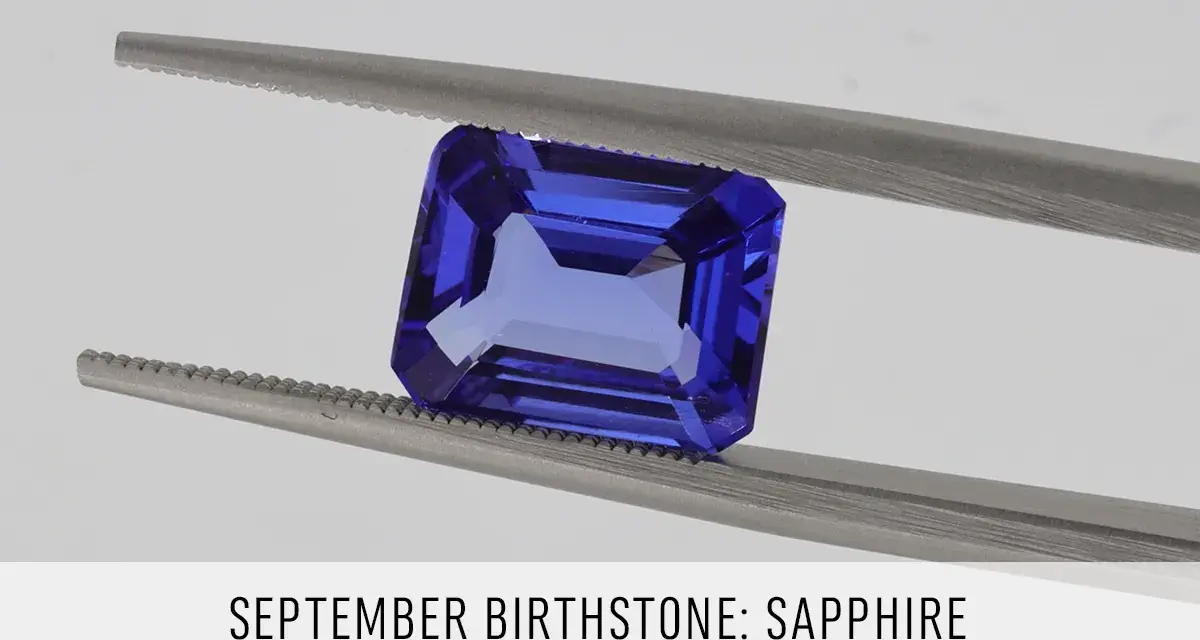
For a 5 September birthday, the birthstone is sapphire, and that answer matters more than it first seems. In the UK, modern birthstone charts still point to sapphire, and that is useful because it is one of the most durable and versatile gemstones in jewellery, so it works well whether the piece is meant to be worn every day or kept for special occasions. There is also a small but useful wrinkle: older birthstone traditions sometimes mention lapis lazuli for September, so I like to clarify the modern standard before anyone buys the wrong stone.
Key facts at a glance
- The birthstone for 5 September is sapphire.
- September is most commonly linked with blue sapphire, but sapphires also appear in pink, yellow, green, violet, and white.
- On the Mohs scale, sapphire ranks at 9, which makes it suitable for frequent wear.
- Some traditional charts also list lapis lazuli for September, but sapphire is the modern default.
- Sapphire is also associated with the 5th wedding anniversary, which makes it a useful gift stone beyond birthdays.
The birthstone for 5 September is sapphire
The simplest answer is also the one most people need: sapphire is the birthstone for 5 September. When I see a September birthday, I treat sapphire as the correct modern birthstone unless the buyer specifically wants a historical alternative.
That matters because the stone is not just symbolic. Sapphire has the kind of durability that makes it practical in rings, earrings, pendants, and bracelets, which is why it appears so often in birthday gifts. If you are choosing one piece for daily wear, sapphire is usually the safest choice in the September birthstone family. From here, the real question becomes why sapphire became the standard and what kind of sapphire makes sense for the wearer.Why sapphire is the stone most people mean
Sapphire belongs to the corundum family, the same mineral family as ruby. The red variety is called ruby; everything else in the sapphire family can appear in blue, pink, yellow, green, orange, violet, and even colourless forms. That range gives September birthdays more flexibility than many people expect.
In modern jewellery, sapphire has become the default September stone for three reasons:
- Symbolism - it has long been linked with truth, loyalty, wisdom, and faithfulness.
- Durability - at Mohs 9, it is one of the hardest gemstones used in jewellery.
- Versatility - it looks classic in a blue solitaire, but it can also feel fresh in pastel pink or vivid yellow.
Older traditions are worth knowing, though. Some historical birthstone charts connect September with lapis lazuli, which is why you may still see that name appear in heritage-inspired jewellery content. For a modern birthday gift, I would still choose sapphire first, then use lapis lazuli only if the buyer wants a softer, opaque, more antique-looking option. That distinction makes the next step much easier: deciding which sapphire style fits the person who will wear it.
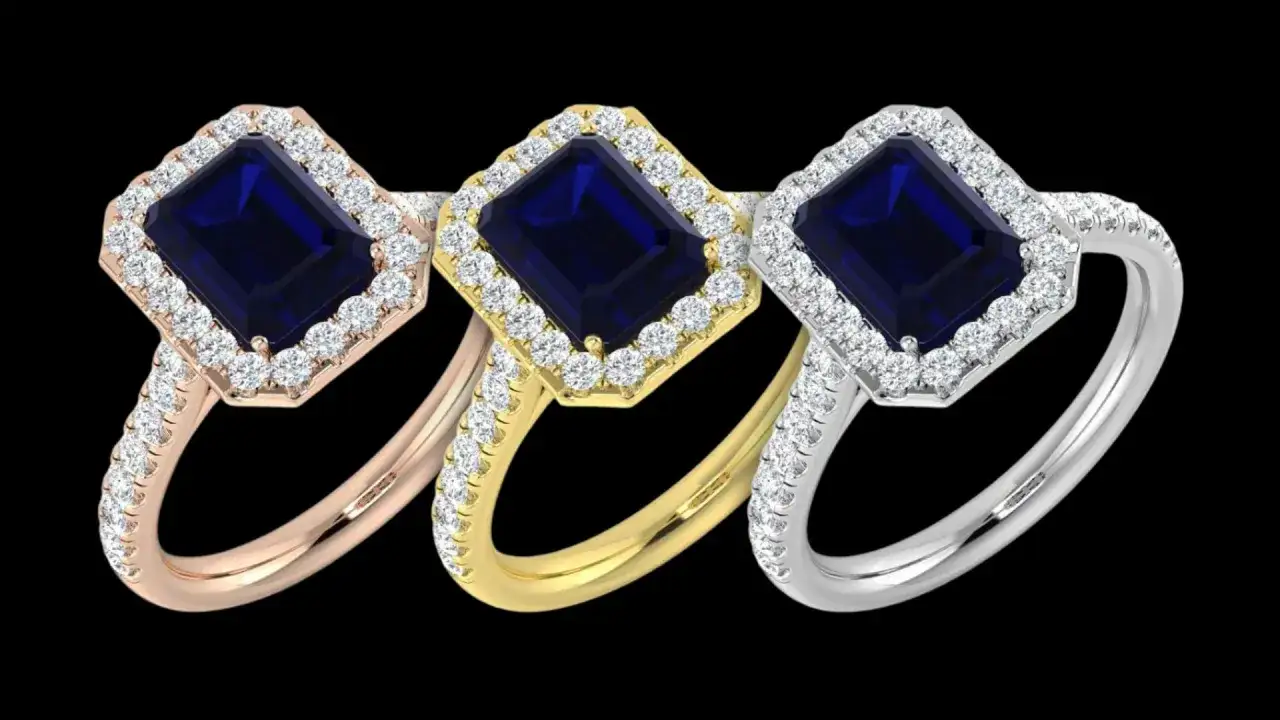
Sapphire colours that change the feel of the gift
When most people hear “September birthstone,” they picture a deep blue stone. That is the classic look, and it remains the best-known version of sapphire for a reason. But I would not ignore the coloured sapphire varieties, because they let you match the stone to someone’s style instead of forcing everyone into the same royal-blue look.
| Colour | What it suggests | Best for |
|---|---|---|
| Blue sapphire | Traditional, elegant, strongly associated with September | Classic gifts, engagement-style rings, formal jewellery |
| Pink sapphire | Soft, romantic, slightly more modern | Everyday pendants, stacking rings, lighter colour palettes |
| Yellow or green sapphire | Brighter, less expected, more individual | Someone who prefers colour and wants a less traditional piece |
| Padparadscha sapphire | Rare peach-pink to orange-pink tone | Collectors and buyers who want something distinctive |
The practical takeaway is simple: the birthday link is about the mineral family, not one single shade. If someone already wears mostly silver and cool colours, blue sapphire usually feels right. If their wardrobe leans warm or minimal, a pink or yellow sapphire can feel more personal without drifting away from the birthstone story. Once you know the colour direction, choosing the right jewellery form becomes much simpler.
How to choose a sapphire piece that will actually be worn
I prefer to choose birthstone jewellery by use first and sentiment second, because a beautiful piece that sits in a box is not doing its job. For a September birthday, the right sapphire piece depends on how often it will be worn and how much maintenance the wearer is comfortable with.
Here is the practical way I narrow it down:
- Rings work best when the setting protects the stone, especially for daily wear.
- Pendants are the easiest choice if you want maximum beauty with minimal wear and tear.
- Earrings are ideal for people who want sapphire close to the face without worrying about impact damage.
- Bracelets can be striking, but they take more knocks, so the setting matters more.
If the budget is limited, I would usually choose a well-cut smaller sapphire over a larger but dull stone. Cut and colour have more visual impact than size in many cases. If the budget is higher, a fine blue sapphire in a clean setting can feel more substantial than many diamond-heavy designs because the colour does the work. That brings us to the part buyers often overlook: what affects quality and value.
What affects sapphire quality and price
Two sapphires can look similar at first glance and still differ sharply in value. The main factors are colour, clarity, cut, carat weight, origin, and whether the stone has been treated. In practice, colour is usually the first thing people notice and the biggest driver of visual appeal.
For most buyers, these are the checks I would make before purchase:
- Colour - look for a tone that is vivid but not so dark that the stone looks flat in indoor light.
- Clarity - some inclusions are normal, but obvious cloudiness lowers the stone’s life and brightness.
- Cut - a good cut helps the gem return light instead of looking sleepy or windowed.
- Treatment - heat treatment is common; disclosure matters because it affects rarity and price.
- Origin - origin can influence value, but it should not be treated as the only marker of quality.
I would be careful with one common mistake: paying for carat weight before checking whether the colour is actually attractive in real lighting. A smaller sapphire with strong colour and a clean cut is often the better buy. That is especially true if the piece is meant to be worn often rather than kept as an investment stone. Once you know what you are paying for, caring for the jewellery is straightforward enough.
How to care for sapphire jewellery without overthinking it
Sapphire is tough, but tough does not mean indestructible. The good news is that routine care is simple. Warm water, mild soap, and a soft brush are usually enough to keep the stone clean. I would rinse it carefully and dry it with a lint-free cloth rather than using anything abrasive.
A few sensible habits protect the setting as much as the gem itself:
- Remove sapphire rings before heavy gardening, gym work, or DIY tasks.
- Store sapphire pieces separately so harder stones do not scratch softer metals or neighbouring jewellery.
- Avoid harsh chemicals, especially bleach and strong cleaners.
- If the piece has visible fractures or delicate pavé work, be cautious with ultrasonic cleaning unless a jeweller says it is safe.
For most people, sapphire is one of the most wearable birthstones precisely because it does not demand special treatment every week. That durability is part of its appeal, and it also makes the stone easier to gift with confidence. The last thing I would keep in mind is how all of this changes the way you choose the final piece.
What I would remember before buying a September sapphire
If I were choosing a birthday gift for 5 September, I would start with sapphire, decide on a colour, and then check the setting and treatment disclosure before anything else. That order prevents a lot of expensive mistakes. It also keeps the decision focused on the person who will wear the piece, not just on a birthstone label, whether the piece is bought in a British high street jeweller or online.
The most useful rule is this: choose the sapphire that suits the wearer’s life, not just the month. A classic blue stone suits someone who likes timeless jewellery, while a pink or yellow sapphire can feel more personal and modern. If you want the gift to carry extra meaning, sapphire also connects neatly with the 5th anniversary tradition, so it works for milestones beyond birthdays.
For me, that is the cleanest way to approach a September birthstone gift: start with sapphire, then let colour, setting, and wearability do the rest. That gives the piece a real chance of becoming something the wearer reaches for often, which is usually the point.