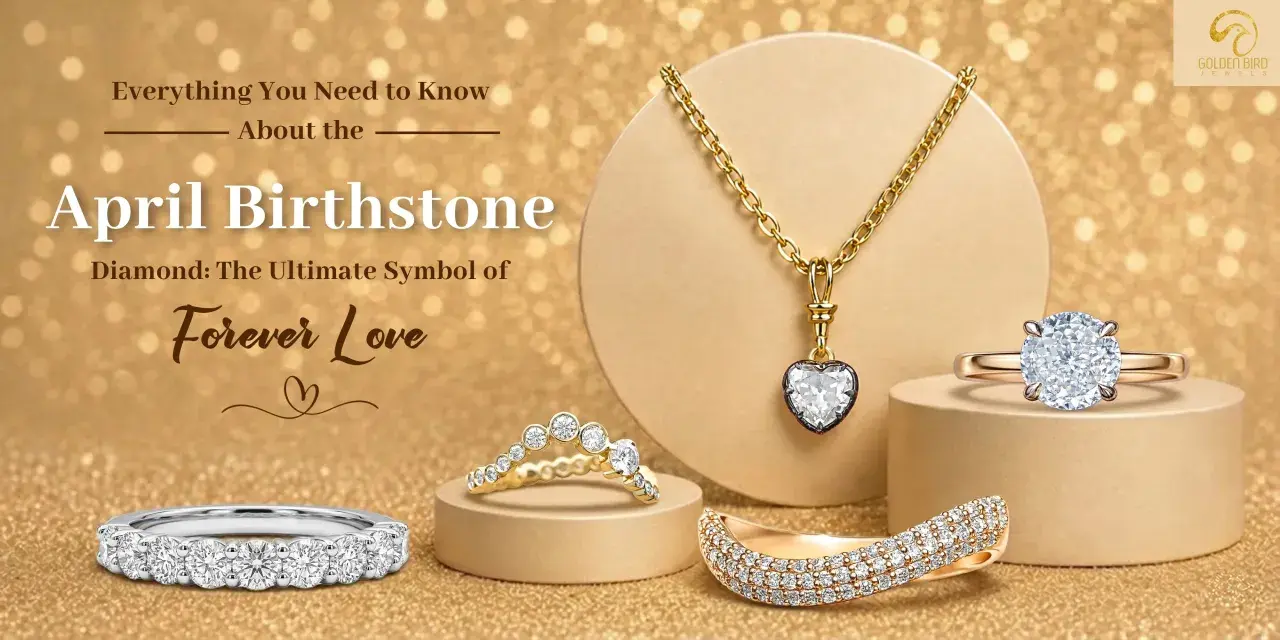
The April birthstone is diamond, and that gives the month a rare mix of symbolism and practicality: it is one of the most recognisable gems in jewellery, but it is also a stone people can wear every day. In this guide, I look at what makes diamond the standard choice for April, what it traditionally represents, how to choose a piece that suits a UK buyer, and how to keep it looking clean without overcomplicating the care. I’ll also cover the situations where a diamond alternative makes more sense, because that decision is not always as straightforward as it sounds.
The main things to know before you buy
- Diamond is the traditional stone for April and the hardest natural material, so it suits pieces meant for regular wear.
- Its usual meanings are clarity, strength, loyalty and lasting commitment.
- Cut matters more than size if you want the most sparkle for your money.
- For everyday jewellery, a secure setting is usually more important than chasing the biggest carat weight.
- Lab-grown diamond is the closest modern alternative if you want the same material with a different sourcing story.
- Routine cleaning and a yearly setting check will keep most diamond pieces looking sharp for longer.
Why diamond became April's signature stone
Diamond did not become April’s stone because it is fashionable; it stayed there because it makes sense. It has a long history of being prized for brilliance, rarity and durability, and those are exactly the traits people still want in birthstone jewellery. In the UK, that tradition remains strong, which is why you will still see diamond used as the default April choice in both classic and contemporary pieces.
What I find interesting is that diamond’s appeal is not only visual. It has a physical presence that other stones struggle to match, especially in rings and pendants where the gem needs to hold attention without looking overworked. That combination of history and wearability is the real reason it keeps its place, and it leads naturally into what the stone is meant to say about the person wearing it.
What diamond symbolises in modern jewellery
When I talk about diamond as an April gem, I am not just talking about sparkle. The stone is usually linked with clarity, strength, resilience and lasting love, which is why it works so well for birthday gifts, milestone pieces and anniversary jewellery. It sends a clear message without needing a complicated backstory.
I also think diamond reads especially well in gifts because it feels deliberate. A small pair of studs can say the same thing as a larger pendant: this is meant to last, and it is meant to be worn. That is part of the appeal for people who want birthstone jewellery that feels meaningful rather than decorative. It is also why diamond keeps appearing in milestone jewellery, including pieces chosen for long marriages and other major celebrations.
Because the symbolism is so strong, the next question is practical: how do you choose a piece that actually fits the wearer instead of just the tradition?
How to choose an April diamond piece in the UK
When I help someone choose diamond jewellery, I start with how the piece will be worn, then I look at the stone itself. For a UK buyer, that usually means balancing the 4Cs with the type of jewellery, the metal, and the person’s day-to-day habits. A beautiful stone in the wrong setting is still the wrong piece.
| Buying factor | What it means | Why I care about it |
|---|---|---|
| Cut | How well the diamond has been shaped and proportioned | Cut has the biggest impact on sparkle, so a well-cut smaller stone often looks better than a larger one with poor proportions |
| Colour | How near-colourless or tinted the stone appears | Subtle colour differences matter more in larger stones and very white metals |
| Clarity | How visible internal marks or surface features are | Many inclusions are invisible to the eye, so I judge clarity by what can actually be seen, not just the grading label |
| Carat | The stone’s weight, not its size alone | 1 carat equals 0.20 g, but value jumps can become noticeable as you move past common size points |
For everyday jewellery, I usually prioritise cut first and setting second. A bezel setting, which wraps metal around the edge of the stone, gives more protection than an open claw setting; claws show more of the diamond, but they ask for a bit more care. That trade-off matters if the piece will be worn often.
| Piece type | Best for | Why it works | What to watch |
|---|---|---|---|
| Stud earrings | Everyday wear | Secure, understated and easy to pair with other jewellery | Check the backs and the setting type |
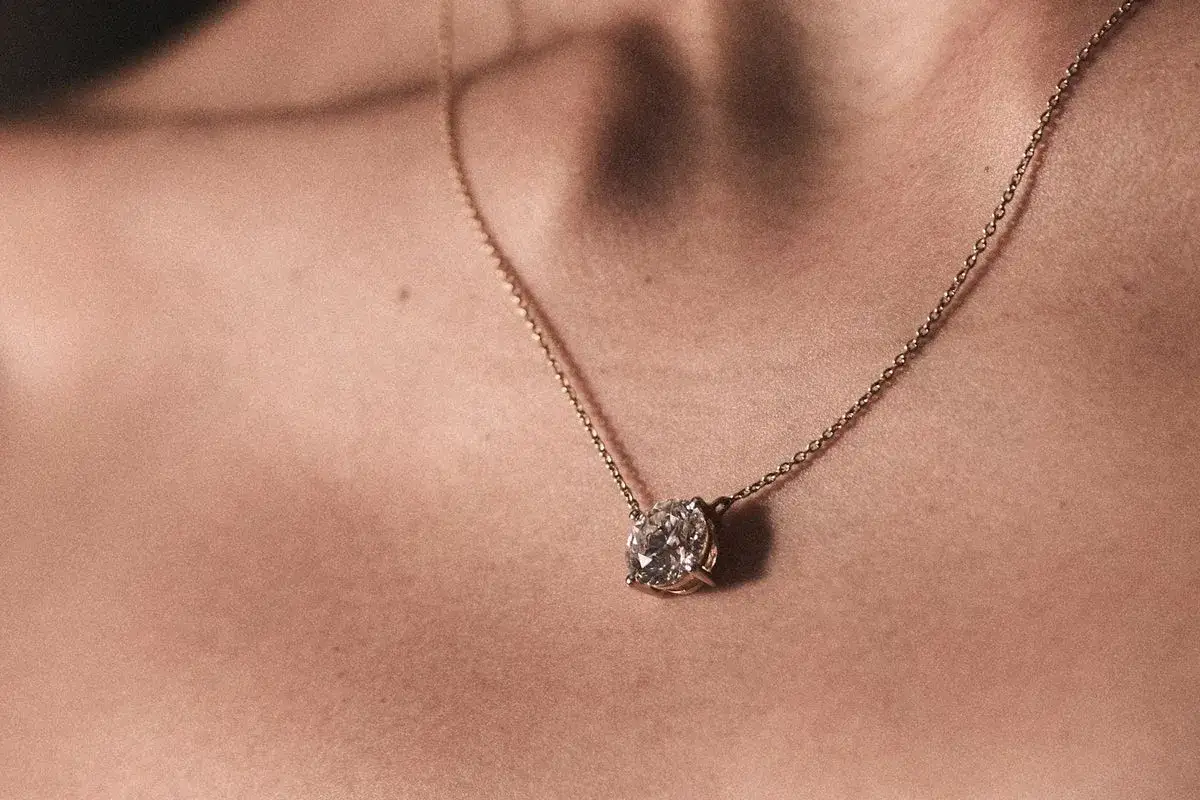
| Pendant | Layering and gifting | Low-maintenance and easy to wear with most necklines | Chain length changes the whole look |
| Ring | Personal or milestone gifts | Feels intimate and highly symbolic | Settings need to suit the wearer’s lifestyle |
| Bracelet | Dressier styling | Lets the stone catch light as you move | More exposed to knocks and friction |
If budget or sourcing matters more than mined origin, lab-grown diamond is the closest comparison because it is still diamond at the material level; the main difference is how it was formed. That is often the most useful distinction for buyers, especially when the goal is to keep the symbolism while adjusting the price point or the sourcing story. Once that is clear, it becomes easier to decide whether you actually want diamond or whether a different white stone would suit the wearer better.
When an alternative stone makes more sense
Not every April gift needs to be a diamond, and I think that is worth saying plainly. Some people want the look of a pale, bright stone without the formality or cost of diamond; others prefer a softer, more understated finish. In those cases, alternative white stones can work well, especially when the jewellery is meant to be stylish rather than heirloom-level.
| Alternative | Why people choose it | My practical view |
|---|---|---|
| White sapphire | Clean look, good everyday option, less traditional than diamond but still elegant | Usually the safest alternative if the piece will be worn often |
| Rock crystal quartz | Light, bright and visually simple | Best for fashion-led pieces or lower-pressure wear |
| White topaz | Accessible price point and a clear, crisp appearance | Works best when the jewellery will not take constant wear |
My rule of thumb is straightforward: if the piece needs to survive daily wear, I lean toward the more durable end of the spectrum; if it is meant for occasional styling, you can be more flexible. That is also why the care routine matters so much, because even the strongest stone looks tired if the setting is neglected.
How to keep diamond jewellery bright without overcleaning it
The stone itself is tough, but the jewellery around it is usually what needs attention. Dirt, body oils and skincare residue can dull the surface faster than most people expect, especially on rings and pendants that live close to the skin. I prefer a simple routine rather than aggressive cleaning, because overcleaning can do more harm to the setting than a little everyday wear ever will.
- Clean frequently worn pieces every 2 to 4 weeks in warm water with a drop of mild washing-up liquid.
- Use a soft toothbrush to lift dirt from the back of the stone and around the setting, but do not scrub hard.
- Rinse in a bowl or over a secure surface, not directly over the sink.
- Dry with a lint-free cloth and store pieces separately so metal does not scratch metal.
- Book a professional inspection once a year if the jewellery is worn regularly.
- Take rings off for gym sessions, heavy cleaning and chlorine-heavy swimming.
A simple point makes a big difference here: the diamond is usually not the weak link, the setting is. Prongs loosen, clasps wear down and chains twist, so a quick annual check is often the difference between a piece that lasts and one that slowly starts to look careless. That leads to the final question I always ask before I recommend anything: what makes the piece feel personal to the person who will wear it?
The choice that makes an April diamond feel personal
If I were narrowing this down to one buying rule, it would be this: choose the piece the wearer will actually reach for. For a minimalist, that might be a pair of small studs or a fine pendant; for someone who likes a little more presence, it might be a ring with a secure setting or a bracelet that reads clearly from a distance. The best April jewellery is not the largest or the most expensive piece in the case, but the one that fits into real life without losing its meaning.
That is why diamond still works so well for April. It can be subtle, formal, sentimental or sharp, depending on how you set it and how you wear it. If the design is right, it becomes less about the gemstone in isolation and more about the person who gets to keep wearing it.