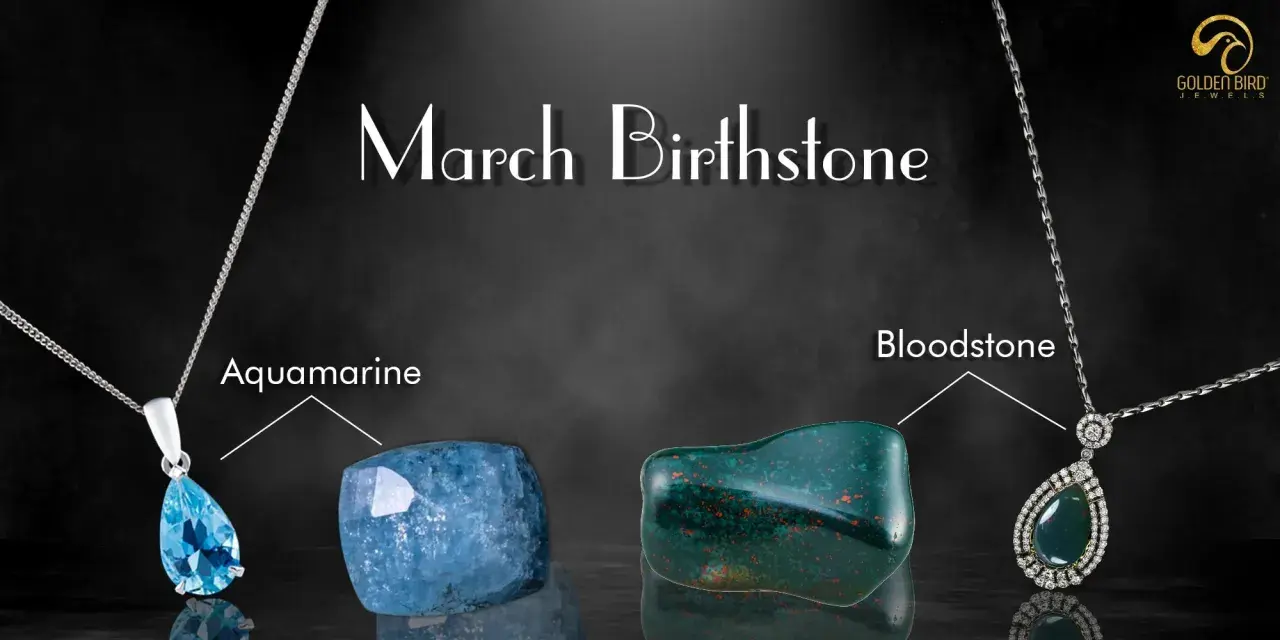
The March 1st birthstone is usually aquamarine, a pale blue to blue-green gem that feels calm, clean and easy to wear. March has two recognised birthstones, so I also explain where bloodstone fits and how the two stones differ in look, meaning and everyday jewellery use. If you are choosing a gift or buying for yourself, the details below will help you make a better call than simply following a chart.
The March 1 birthstone is usually aquamarine, with bloodstone as the traditional alternative
- Aquamarine is the most common modern answer for a 1 March birthday.
- March also has bloodstone, which suits a darker, more dramatic look.
- GIA lists both stones as March birthstones, so the right choice depends on tradition and taste.
- Aquamarine is durable enough for most everyday jewellery, especially in a secure setting.
- For gifts, style matters as much as symbolism: colour, cut and setting change the feel of the piece fast.
Why aquamarine is the usual answer for 1 March
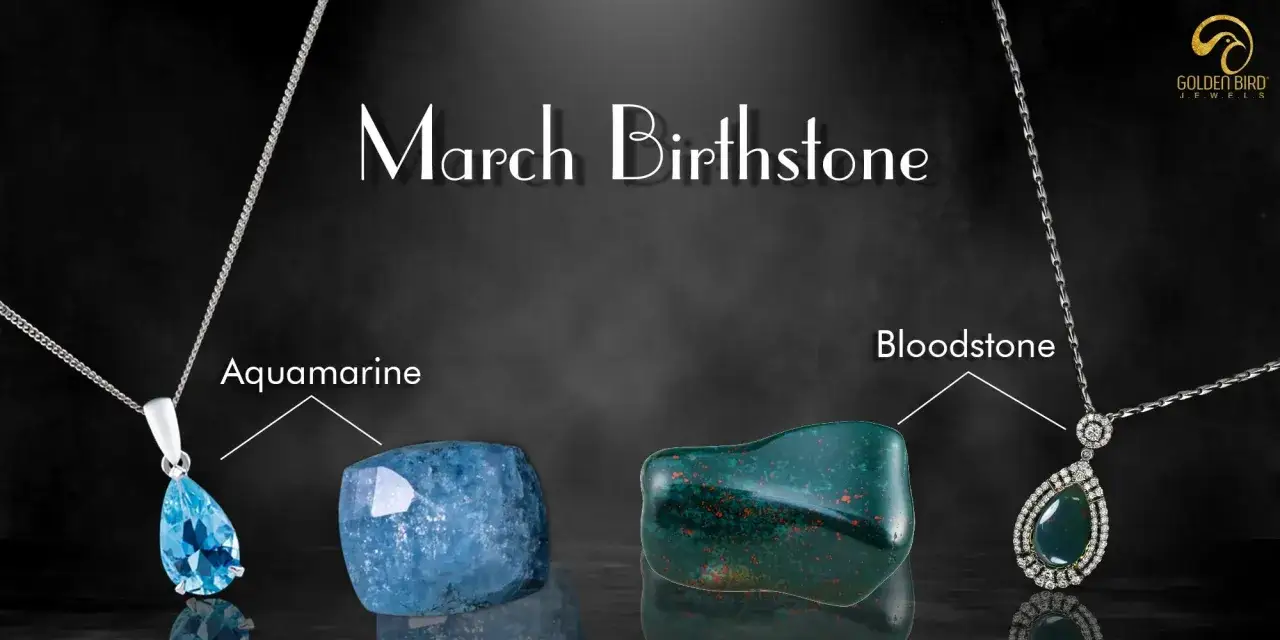
When I think about a March 1 birthday, aquamarine is the first stone that comes to mind. GIA lists aquamarine and bloodstone as March's two birthstones, but aquamarine is the one most people recognise immediately because its sea-blue colour feels classic, wearable and easy to pair with modern jewellery.
Aquamarine is a variety of beryl, the same mineral family as emerald. That matters because it explains the stone's clean transparency and its ability to look bright even in larger cuts. The colour can move from icy blue to a slightly greener blue, which gives jewellery designers a lot of room to work with different metals and styles.
I also think aquamarine wins for 1 March because it balances sentiment and practicality. It carries the calm, water-like symbolism people like in a birthstone, but it is durable enough for regular wear. That makes it a stronger everyday choice than many coloured gems that look beautiful but need far more caution.
That practical side is easier to judge once you look at how the stone behaves in jewellery, so I will break that down next.
What makes aquamarine such a strong jewellery stone
Aquamarine's biggest strength is balance. It is bright without being loud, refined without looking fragile, and it works in rings, earrings, pendants and bracelets when it is cut and set properly.
| Feature | What it means in practice |
|---|---|
| Colour | Blue to blue-green tones suit silver, white gold and yellow gold, so the stone is easy to style. |
| Hardness | At about 7.5 to 8 on the Mohs scale, it is durable enough for most jewellery wear. |
| Clarity | Good aquamarine is often very clean, which gives it a crisp, polished look in faceted cuts. |
| Best cuts | Emerald cut, oval and pear cuts show the colour well; larger stones can look especially elegant. |
| Best use | Pendants and earrings are easiest, while rings work best in secure settings. |
If I were choosing a gift, I would look first at colour depth. Very pale aquamarine can be beautiful, but a slightly richer blue usually gives more presence on the hand or neckline. The sweet spot is a stone that still feels airy, but not washed out.
The American Gem Society also treats aquamarine as the more popular of March's two stones, and that matches what I see in jewellery design too: it is the option that most easily feels elegant rather than theme-driven. That makes the next question less about which stone is correct and more about which personality the piece should have.
When bloodstone makes more sense
Bloodstone is the darker March option, and it has a very different mood. Instead of a watery blue, you get a deep green chalcedony with red iron-oxide spots, usually cut as a cabochon rather than a faceted stone. The result is earthy, old-world and much more understated.
I reach for bloodstone when someone wants a birthstone that does not look like a standard birthday gem. It feels bolder and more historic in tone, though in practice it works for anyone who likes a moody, traditional look. It is especially good in signet rings, small talismans and cabochon pendants.
| Stone | Look | Wearability | Best jewellery styles |
|---|---|---|---|
| Aquamarine | Clear blue to blue-green, light and luminous | 7.5 to 8 on the Mohs scale, so it suits frequent wear | Rings, earrings, pendants, fine everyday jewellery |
| Bloodstone | Dark green with red specks, more grounded and dramatic | About 6.5 to 7 on the Mohs scale, good for jewellery but less forgiving of knocks | Cabochon rings, signets, pendants, vintage-inspired pieces |
If you are choosing between them, aquamarine is the safer all-rounder. Bloodstone is the more distinctive choice when the wearer prefers character over brightness. The real decision comes down to how you want the finished piece to feel on the hand or around the neck, which is where setting and style start to matter.
How I would choose a March birthstone piece
The stone is only half the decision. The setting, metal and cut change how the birthstone reads, and they matter even more if the piece will be worn often.
- For a ring: choose aquamarine in a bezel or protective prong setting if the wearer uses their hands a lot.
- For earrings: aquamarine is the easiest option because it gets less impact than a ring.
- For a pendant: both stones work, but aquamarine gives a fresher, lighter finish while bloodstone feels more grounding.
- For a heritage-style gift: bloodstone in a cabochon or signet design looks intentionally traditional.
- For a modern gift: a clean emerald-cut aquamarine in white gold or silver is hard to beat.
When I look at value, I pay more attention to colour and setting than to carat weight alone. A smaller aquamarine with lively colour can look better than a larger, watery one. Bloodstone, meanwhile, is usually chosen for its pattern and overall feel, so a clean, well-balanced cabochon matters more than size.
If a seller cannot explain the gemstone clearly, I treat that as a warning sign. A good birthstone piece should feel specific, not vague, and that starts with honest stone descriptions and a setting that suits the gem's strengths.
How to care for aquamarine and bloodstone without damaging them
Both stones are wearable, but they are not indestructible. The safe routine is simple: warm water, mild soap and a soft brush for gentle cleaning, then a lint-free cloth to dry. I avoid abrasive cleaners, harsh chemicals and rough storage, because those cause more harm than people expect.
- Aquamarine: usually fine for regular wear, but I still recommend removing it for gym sessions, DIY work and swimming.
- Bloodstone: keep it away from hard knocks and store it separately so the surface does not rub against harder gems or metal edges.
- Ultrasonic cleaners: use caution if the stone has fractures, fillings or an unknown treatment history.
- Storage: a soft pouch or lined compartment is better than a mixed jewellery box drawer.
That is the part many buyers skip, yet it makes a real difference. A well-chosen birthstone can look good for years, but only if the setting stays secure and the stone's surface is treated like a piece of jewellery, not a disposable accessory.
What I would buy for a March 1 birthday
If I were choosing one piece for a March 1 birthday, I would usually start with aquamarine. It gives the cleanest answer to the birthstone question, it suits most wardrobes, and it is the easier stone to wear every day. For someone who likes darker, more historic jewellery, I would switch to bloodstone and choose a simple cabochon design rather than trying to force it into a bright, modern setting.
The real trick is to match the stone to the wearer's taste instead of the calendar alone. A birthstone feels most personal when it looks like something the person would choose anyway. That is why the best March gift is rarely the biggest gem on the page; it is the one that looks right the moment it is worn.