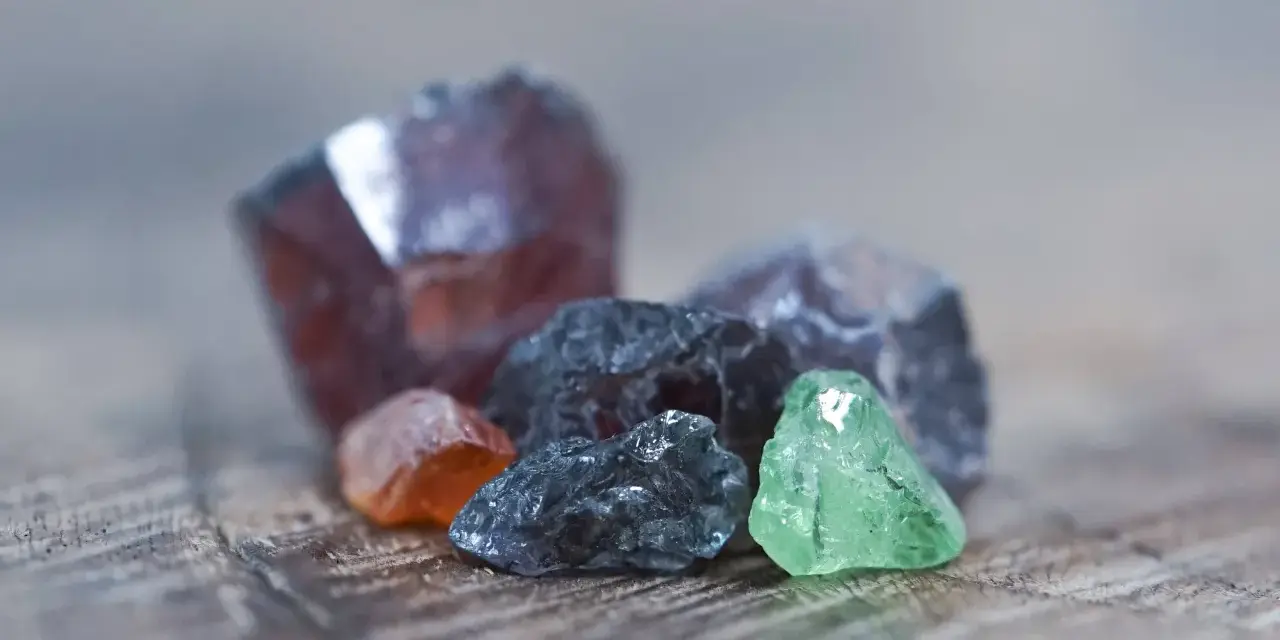
January’s birthstone is garnet, a gemstone that is best known for its deep red glow but is far more varied than many people expect. In this guide I explain the simple answer, the meanings behind the stone, the colours you can actually buy, and how to choose and care for a piece that feels wearable rather than decorative for one occasion only. If you are choosing a gift or building a jewellery story around a birth month, the details matter as much as the symbolism.
Garnet is the January birthstone, and the useful details are its colour, durability, and meaning
- The standard answer is garnet, with the classic January look being deep red.
- Garnet is a family of gemstones, so January jewellery can also appear in green, orange, purple, and colour-change forms.
- Its hardness is usually around 6.5 to 7.5 on the Mohs scale, which makes it practical for everyday jewellery with the right setting.
- Garnet has long been linked with protection, strength, and warmth, which suits winter gifting especially well.
- Warm soapy water is the safest cleaning method; steam cleaning is not recommended, and ultrasonic cleaning needs caution if the stone has fractures.
The January birthstone is garnet
The short answer is simple: January’s birthstone is garnet. If you are looking for a classic birthstone ring, pendant, or pair of studs, garnet is the stone most jewellers will point you to first.
What makes garnet interesting is that it is not a single stone in one fixed shade. It is a gemstone family, and the familiar deep red version is only the best-known member. That matters because it gives January jewellery more range than many people expect, and it explains why the stone feels both traditional and surprisingly modern.
I like that balance. Garnet answers the question cleanly, but it also leaves room for personal taste, which is exactly what a good birthstone should do. Once you know the basic answer, the next question is why this gemstone became so closely associated with January in the first place.
Why garnet suits January so well
Garnet has a long jewellery history, and that depth of use is part of the appeal. The name is linked to the pomegranate, which makes sense once you see the stone’s rich, seed-like red tones. That association gives garnet a warmth that feels especially fitting for January, a month that often needs a little colour and energy.
Symbolically, garnet has been tied to ideas such as protection, strength, loyalty, and renewed energy. I treat those meanings as cultural and historical rather than literal promises, but they are still useful when you are choosing a piece that should feel personal. A birthstone works best when it carries a story, not just a label.
There is also a practical reason garnet has stayed popular: it looks strong without being overly flashy. In other words, it can feel intimate enough for everyday wear and polished enough for gifting. That is a rare combination, and it leads neatly into the colour question, because garnet is much more varied than its reputation suggests.
The garnet colours you can actually buy
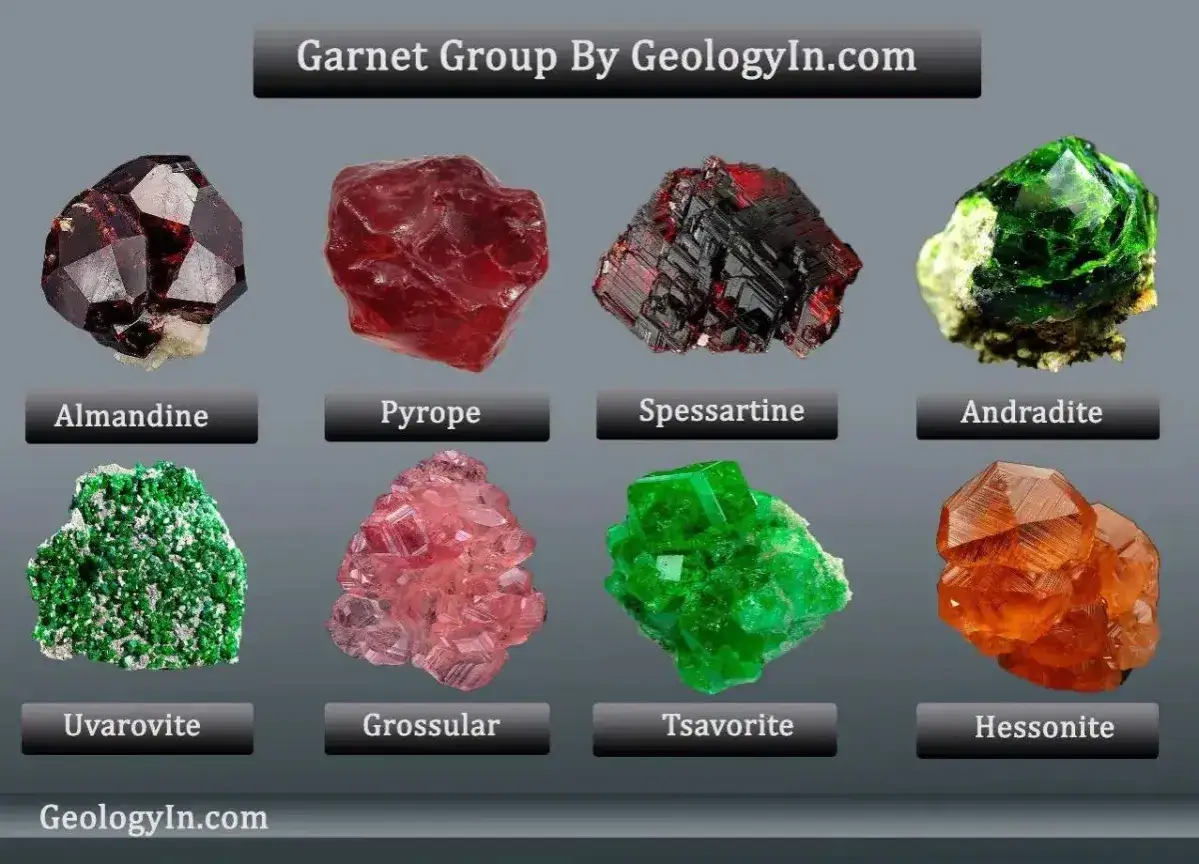
Most people picture garnet as dark red, and that is still the classic look. But the family includes several varieties, each with a different colour range and feel. If you are shopping for January jewellery, this is where the choice becomes more interesting.
| Variety | Typical colour | What it means for jewellery |
|---|---|---|
| Almandine | Deep red to reddish brown | The most familiar January look; ideal if you want a traditional, understated piece. |
| Pyrope | Rich red to purplish red | Often brighter than almandine, which gives it a cleaner, more vivid appearance. |
| Spessartine | Orange to mandarin | A stronger choice if you want something warmer and less expected than red. |
| Tsavorite | Vivid green | Excellent for buyers who want a fresh, contemporary January stone with serious visual impact. |
| Demantoid | Green, often with exceptional sparkle | Rarer and usually more expensive, but one of the most distinctive garnet options. |
| Colour-change garnet | Shifts appearance under different light | Best for someone who likes a stone with character and visible movement. |
If you see a January birthstone piece in green or orange, that does not mean it is wrong. It usually means you are looking at a different garnet variety, and that broader family is part of what makes the stone so useful in modern jewellery. From here, the practical question becomes how to choose a piece that suits real life rather than a display case.
How to choose garnet jewellery that gets worn
I think the best January jewellery is the piece someone will actually reach for. That usually means paying attention to colour, setting, and how the jewellery will be used day to day.
- Choose the right metal for the tone. Yellow gold makes deep red garnet feel richer and warmer, while white gold or sterling silver gives it a sharper, more contemporary edge.
- Think about the setting first, not the carat weight. A bezel or low-profile setting is usually a smarter choice for rings that will be worn often, because it protects the stone better than a tall, exposed mount.
- Match the shade to the wearer’s style. Classic red suits someone who likes traditional jewellery, while tsavorite or spessartine feels better for a person who wants colour without predictability.
- Check whether the stone has been treated. Garnet is often sold untreated, but rare fracture-filled stones need gentler care and a more cautious cleaning routine.
- Do not overestimate the hardness. At 6.5 to 7.5 on the Mohs scale, garnet is durable, but it is still not a diamond, so hard knocks and rough wear can leave a mark.
How to care for garnet without damaging it
GIA notes that garnet usually falls between 6.5 and 7.5 on the Mohs scale, which is why it can handle normal jewellery wear well when handled sensibly. The same guidance also points to one very practical rule: warm soapy water is the safest cleaner. That is the routine I would use first.
My cleaning method is straightforward: soak the piece briefly in warm water with a little mild soap, use a soft brush if needed, rinse it well, and dry it with a lint-free cloth. For many garnets, that is enough to keep the stone bright without stressing the setting.
There are two useful limits to remember. Steam cleaning is not recommended, and ultrasonic cleaning should be avoided if the stone has fractures or if you are not sure about treatments. Vintage jewellery deserves extra caution too, because older settings can be more fragile than the gemstone itself. Once you understand those limits, garnet becomes an easy stone to live with.
What makes a January gift feel considered rather than routine
The best January gift is rarely the most expensive one. It is the one that feels selected for the person who will wear it. Garnet helps with that because it has enough variety to suit different tastes without losing the birthstone connection.
If you want a timeless choice, a small red garnet pendant or stud earrings is hard to beat. If you want something more distinctive, a green garnet or a mixed-gem design can feel more personal while still staying true to the month. Garnet is also the traditional stone for a second wedding anniversary, which gives it an extra layer of meaning if you are choosing a gift for a partner.
For me, that is the real strength of January’s birthstone: it is recognisable, but not narrow. Whether you want a classic deep-red piece or a less expected modern variation, garnet gives you enough range to choose something that feels genuinely thought through.