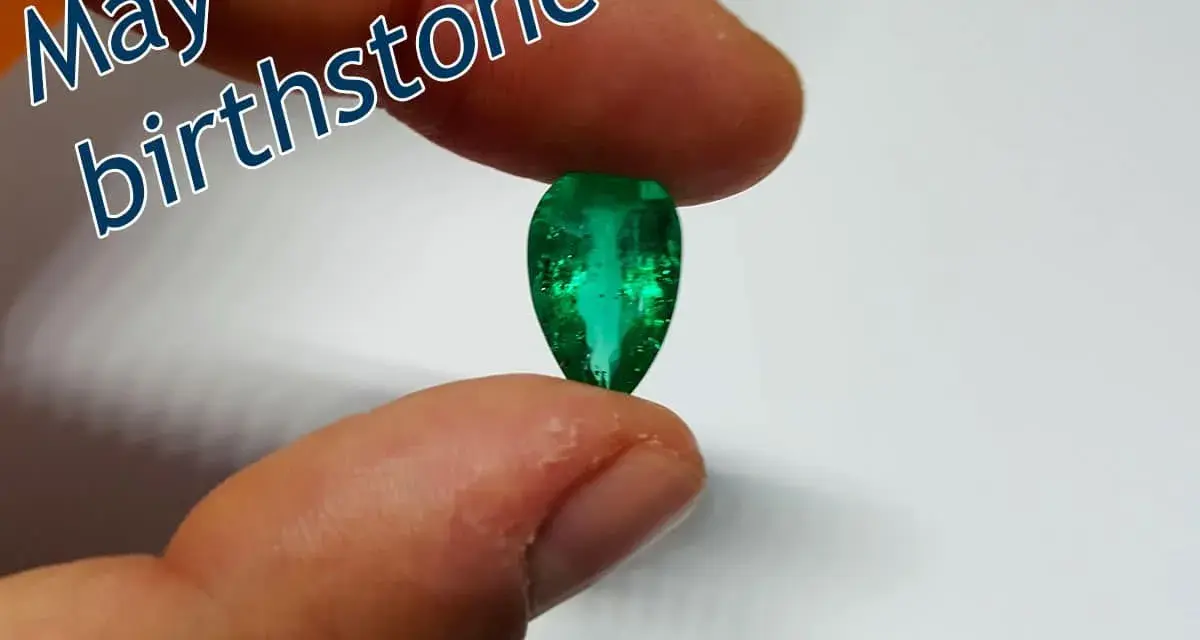
The May 11 birthstone is emerald, and that simple answer only tells part of the story. What matters just as much is how emerald behaves in real jewellery: it is rich, distinctive, and deeply symbolic, but it also asks for more care than harder green stones. In this article, I cover the stone linked to 11 May, what it represents, how to judge quality, and how to buy or wear it without making avoidable mistakes.
Key facts about the gemstone for 11 May
- Emerald is the standard birthstone for anyone born on 11 May.
- Its classic colour is a vivid green, ideally with a slightly bluish tone rather than a yellow cast.
- Emerald is durable enough for jewellery, but its internal inclusions mean it should be treated more gently than sapphire or diamond.
- Small inclusions are normal and often expected in natural emeralds; they are part of the stone’s character, not always a flaw.
- For rings, protective settings and sensible wear habits matter more with emerald than with harder gems.
- If you want a greener stone for constant wear, green sapphire or tourmaline may be more practical alternatives.
Why emerald is the standard answer for 11 May
There is no separate gemstone assigned just to 11 May in the modern birthstone calendar. Because the date falls in May, the accepted answer is the month’s stone: emerald. That is the practical, jewellery-world answer most people are looking for, and it is the one I would use unless you specifically wanted a zodiac-based stone system.
That distinction matters because some birthstone traditions overlap. Taurus, the zodiac sign that includes 11 May, can be linked with different stones in different systems, but that is a separate tradition rather than a replacement for the month birthstone. For a date-based gift, card message, or jewellery choice, emerald is the correct and most recognisable answer. From here, the real question becomes not “which stone?” but “what kind of emerald is worth choosing?”.
What emerald has meant through history
Emerald has long carried a strong symbolic charge. It is usually associated with rebirth, growth, love, loyalty, and wisdom, which makes sense when you think about its colour: green is the shade of spring, renewal, and life returning after winter. That is one reason emerald feels so natural as a May stone, especially in the UK where the season is still shifting from fresh growth to early summer.
I also think emerald’s appeal comes from the fact that it never looks generic. A fine emerald has presence even when the setting is simple. It can feel royal without being loud, which is why it works just as well in a slim pendant as it does in a statement ring. If the stone has a story behind it, emerald is one of the few gems that still looks like it belongs to that story.
How I judge emerald colour, clarity and cut
If I am evaluating an emerald, colour comes first every time. The best stones show a strong green with a slight bluish influence and a tone that is vivid but not so dark that the gem looks muddy. If the stone looks too yellowish, too flat, or too grey under normal light, it usually loses the classic emerald character that people pay for.
Clarity is the next point where many buyers get confused. Emeralds are commonly included, and those internal features are often called jardin, the French word for garden. In plain English, that means natural internal “landscape” within the stone. A clean-looking emerald can be wonderful, but a completely flawless one is rare and should make you ask more questions, not fewer. The goal is not perfect transparency at any cost; the goal is a stone whose inclusions do not overpower its beauty.
Cut matters because emerald rough is too valuable to waste, and because the gem’s colour needs help. Well-cut emeralds often appear in emerald, oval, pear, or cushion shapes, with step cuts being especially good at showing colour depth. A poor cut can leave the stone windowed, too shallow, or overly dark. If the stone is beautifully coloured but cut badly, the whole piece will feel weaker than it should.
How emerald compares with other green gemstones
If you love the look of emerald but want a different balance of colour, price, and durability, the comparison below is useful. I see this as the real buying decision point, especially for rings that will be worn often.
| Gemstone | Mohs hardness | Why choose it | Main trade-off |
|---|---|---|---|
| Emerald | 7.5 to 8 | Classic May birthstone with deep historical meaning and unmistakable green colour | Often included and sometimes treated, so it needs careful handling |
| Green tourmaline | 7 to 7.5 | Bright, attractive green with a similar mood at a generally more accessible price | Usually less iconic than emerald and often a little less saturated |
| Peridot | 6.5 to 7 | Fresh, lively green and a more affordable option for pendants or earrings | Softer than emerald and easier to scratch in everyday rings |
| Tsavorite garnet | 6.5 to 7.5 | Strong green colour with excellent sparkle and a more modern feel | Rarer than many expect, so fine stones can still be expensive |
| Green sapphire | 9 | Very practical for daily wear when durability matters most | Not the traditional May birthstone, and the colour can feel less “emerald-like” |
How to care for an emerald ring or pendant
Emerald is durable, but it is not a stone I would treat casually. GIA lists it at 7.5 to 8 on the Mohs scale, which is respectable, yet many emeralds contain fractures or are treated to improve appearance. That combination means you should think about both hardness and internal structure, not just the number on a chart.
For routine cleaning, I would use lukewarm water, a little mild soap, and a soft brush, then rinse and dry the piece with a lint-free cloth. I would avoid ultrasonic and steam cleaners unless a jeweller has explicitly confirmed that the stone and its treatment can tolerate them. I would also remove emerald jewellery before gym sessions, gardening, housework, or any task where the stone could be knocked against a hard surface.
Storage matters more than many people realise. Keep emerald pieces separate from harder gems such as diamond or sapphire, because they can scratch the surface over time. If the stone is in a ring, a bezel or protective halo setting often makes better long-term sense than a very exposed mount. For treated emeralds, occasional professional checking is sensible, especially if the stone looks dry or the colour seems to have changed slightly over time.
What I would choose if I were buying for 11 May
If the goal is a meaningful gift, I would start with the wearer’s habits. For someone who loves symbolism and does not mind a little care, an emerald pendant or pair of earrings is a very safe choice because those pieces take less impact than a ring. For someone who wants a ring, I would favour a well-proportioned stone in a protective setting and make sure the seller clearly states whether the emerald is natural, treated, or lab-grown.
Style also changes the final choice. Yellow gold brings out the warmth and richness of emerald, while white gold or platinum gives it a sharper, more contemporary contrast. Smaller stones often look better than oversized ones if the colour is strong, and that is a lesson buyers sometimes miss. With emerald, intensity usually beats sheer size.
So the practical answer is straightforward: for the 11 May birthday, emerald is the right stone, but the best emerald is the one that fits the way it will actually be worn. If you keep colour, setting, and care in mind, you end up with a piece that feels personal rather than merely traditional.