The short answer for an October 5 birthday
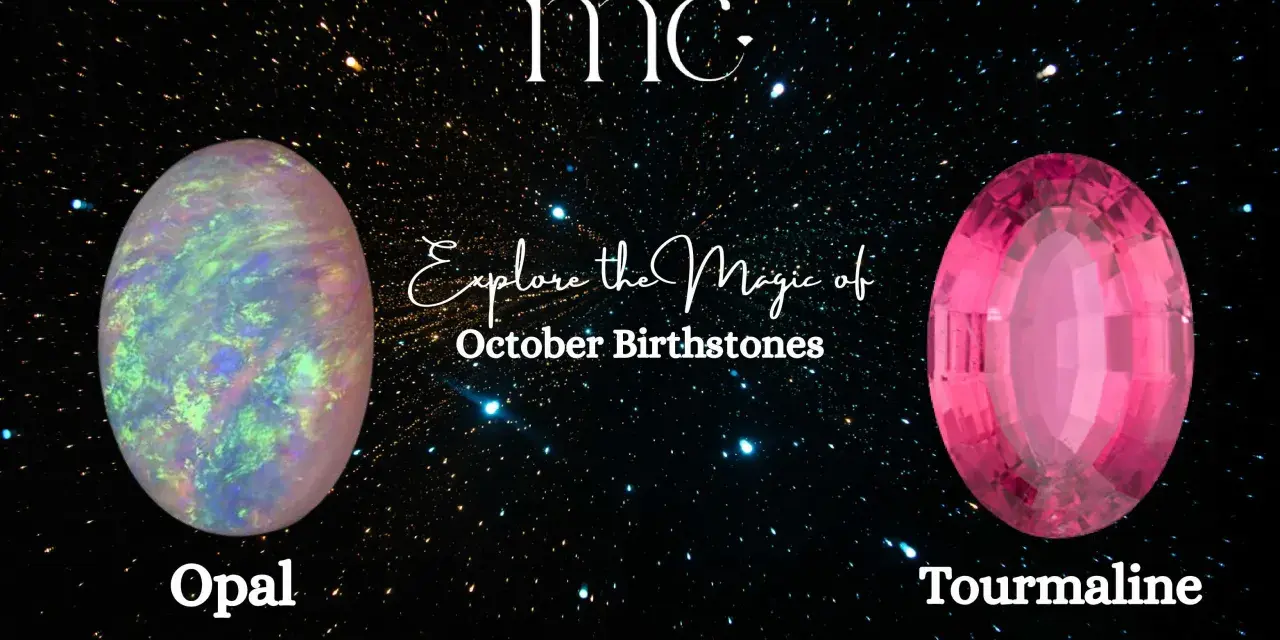
- October has two birthstones: opal, the traditional choice, and tourmaline, the modern counterpart.
- If you want the classic answer: opal is the gemstone most people still associate with October birthdays.
- If you want better durability: tourmaline is harder and easier to live with for everyday wear.
- For a gift: opal feels more romantic and singular, while tourmaline offers more colour options.
- For care: both prefer gentle cleaning, but opal needs the most caution around heat and knocks.
What is the birthstone for October 5?
In the standard month-based birthstone charts, there is no separate gemstone assigned only to 5 October. The practical answer is the same as for the rest of October: opal and tourmaline. If I had to give one traditional answer, I would start with opal; if I had to give one practical answer, I would lean toward tourmaline.
That distinction matters because people often expect a single correct stone when the tradition actually gives them a choice. Once you accept that, the rest of the decision becomes much easier. Next, it helps to know why October ended up with two stones in the first place.
Why October has two birthstones
GIA treats October as one of the few months with two birthstones, and that pairing makes sense once you look at the stones themselves. Opal is the traditional choice, known for its shifting play of colour, while tourmaline is the newer addition and brings a much wider colour range plus better day-to-day durability. In other words, October did not inherit two stones by accident; each one solves a different problem for the wearer.
I see that as a useful rather than confusing tradition. Opal gives you atmosphere and history, while tourmaline gives you versatility and easier wear. Once you separate tradition from practicality, the comparison becomes straightforward.
How opal and tourmaline differ in jewellery
The real difference is not only colour. It is how each stone behaves once it is set into jewellery, worn, and cleaned. I would compare them like this:
| Feature | Opal | Tourmaline | What it means in practice |
|---|---|---|---|
| Hardness | 5 to 6.5 on the Mohs scale | 7 to 7.5 on the Mohs scale | Tourmaline is more resistant to scratches. |
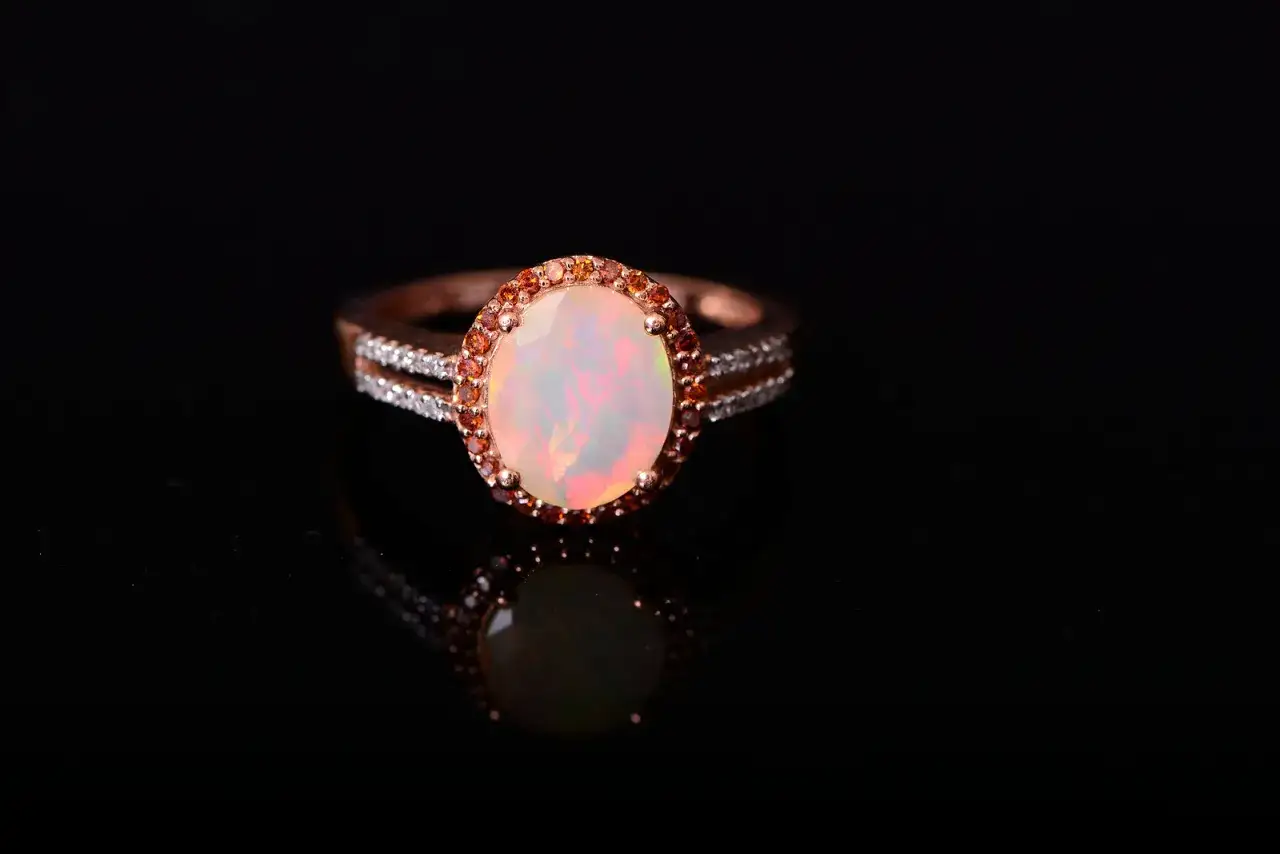
| Visual effect | Famous for play of colour and a softer, more luminous look | Often rich, saturated colour; can also appear bi-colour or zoned | Opal feels more ethereal; tourmaline feels more versatile. |
| Best wear | Pendants, earrings, and occasional-wear pieces | Rings, pendants, and pieces worn more often | Tourmaline is the safer choice if the jewellery will take daily contact. |
| Care | Needs very gentle handling and protection from heat | Still needs care, but is less fragile overall | Both are beautiful, but opal asks for more caution. |
That table is the reason I rarely treat opal and tourmaline as interchangeable. They both belong to October, but they create very different pieces once they are on the hand or neck. From here, the more useful question is not which stone is “better” in the abstract, but which one suits the way the jewellery will actually be worn.
Which stone suits the way you will wear it
The best choice depends on the life the piece will have. A ring gets bumped, rubbed, and washed more often than a pendant, and that one fact changes the recommendation more than most people expect. I usually think about it this way:
- For a ring: tourmaline is usually the safer pick because it handles everyday contact better.
- For a pendant or drop earrings: opal can be gorgeous because it is less exposed to knocks.
- For a romantic or heirloom-style gift: opal has more atmosphere and feels more unusual.
- For a low-fuss everyday piece: tourmaline wins, especially in pink, green, teal, or bi-colour stones.
- For a protective setting: a bezel setting, which wraps a thin rim of metal around the stone, is especially helpful for opal.
If I had to reduce it to one line, I would say opal is the emotional choice and tourmaline is the practical one. That leads neatly into care, because even the right stone loses its appeal if it is cleaned or stored badly.
How to care for October birthstone jewellery
According to GIA, both stones respond best to gentle cleaning, but opal needs the stricter routine. I would keep the cleaning method simple: lukewarm water, a mild soap, and a soft cloth only. The safest approach is boring, but it works.Opal care
- Clean with warm, soapy water only.
- Avoid steam cleaners, ultrasonic cleaners, and harsh chemicals.
- Keep opals away from sudden temperature changes and prolonged heat.
- Store opal jewellery separately so harder gems do not scuff it.
- If the piece is a doublet or triplet, do not soak it for long periods.
Read Also: February 18 Birthstone - Amethyst Guide & Jewellery Tips
Tourmaline care
- Use warm, soapy water and a soft brush if needed.
- Avoid ultrasonic and steam cleaning even though the stone is harder.
- Keep tourmaline away from high heat, which can alter colour or stress the stone.
- Remove it before heavy impact, especially in rings.
The main mistake I see is assuming “harder” means “carefree”. Tourmaline is more forgiving than opal, but it is still a gemstone, not something to throw in a wash bag and forget. Once that is clear, the last step is choosing the version that will still feel right later.
How I would choose an October 5 gift that still gets worn
If I were choosing for an October 5 birthday, I would start with the wearer rather than the stone. Someone who likes distinctive, slightly antique-looking jewellery will usually connect more with opal, while someone who wants colour they can wear often will usually be happier with tourmaline. That simple test removes a lot of guesswork.
- Choose opal if you want softness, symbolism, and a more singular look.
- Choose tourmaline if you want everyday practicality and a wider colour range.
- Check the setting before you buy, because protection matters much more for opal than for tourmaline.
- Ask about treatments so you know whether the stone needs special handling.
- Match the piece to the wearer’s habits rather than to a generic birthstone chart.
If I had to reduce the whole decision to one rule, it would be this: let the way the jewellery will be worn decide the stone, not the other way around. That keeps the gift personal, realistic, and far more likely to be worn after the birthday has passed.