Celtic birthstones sit between folklore and practical jewellery styling, so the useful question is not just which stone belongs to a birth month, but also what that stone means and whether it is sensible to wear. In this guide, I look at the tree-calendar background, the most common modern gemstone pairings, and the details that matter when you are choosing a gift or a personal piece.
I also separate the symbolism from the marketing spin, because those two are not always the same thing. If you want a piece that feels grounded, beautiful, and easy to wear, that distinction matters.
The essentials at a glance
- There is no single universally fixed ancient chart, so modern Celtic-inspired lists can vary from one source to another.
- The tree calendar runs on 13 lunar periods, which means one Gregorian month can overlap two signs.
- Durability matters: harder stones suit rings, while softer or more delicate stones are usually better for pendants or occasional wear.
- Silver, oxidised silver, and restrained gold settings usually feel the most natural with Celtic motifs.
- If you are buying a gift, choose the stone first, then check how often it will actually be worn.
What people are usually talking about
The modern birthstone tradition is a retail standard, not an untouched relic. In its familiar form, it was formalised in the early 20th century, while Celtic tree astrology is a lunar system built around 13 moon cycles and sacred trees. Put simply, one is a modern jewellery framework and the other is a symbolic nature calendar, which is why the gemstone pairings you see online are rarely identical.
That is the key point I would keep in mind before buying. When people talk about Celtic-inspired stones, they are usually combining three layers: the birth month, the tree sign, and the gemstone that best reflects the mood of that sign. I treat that gemstone as a meaningful default, not a hard rule carved into history.
This matters because a good piece of jewellery should do two things at once. It should feel personal, and it should survive real life. Once you read the tradition that way, the whole idea becomes far more useful.
The month-by-month tree calendar and its stones
The chart below follows one of the most common modern Celtic-inspired pairings. I like it because it is practical: it gives you a clear starting point without pretending every guide agrees on every stone. If you see a different version elsewhere, that usually reflects interpretation rather than a mistake.
| Date range | Tree sign | Common gemstone pairing | Why it works well |
|---|---|---|---|
| 24 Dec - 20 Jan | Birch | Clear quartz | Bright, clean, and easy to style with silver. |
| 21 Jan - 17 Feb | Rowan | Peridot | Fresh green energy with a lively, protective feel. |
| 18 Feb - 17 Mar | Ash | Coral | Warm and organic, with a softer, more tactile character. |
| 18 Mar - 14 Apr | Alder | Ruby | A strong, vivid stone that suits a confident piece. |
| 15 Apr - 12 May | Willow | Moonstone | Soft sheen and lunar symbolism make a natural match. |
| 13 May - 9 Jun | Hawthorn | Topaz | Bright, versatile, and easy to wear across styles. |
| 10 Jun - 7 Jul | Oak | Diamond | The hardest option here, so it suits daily wear well. |
| 8 Jul - 4 Aug | Holly | Carnelian | Bold colour with a grounded, warm feel. |
| 5 Aug - 1 Sep | Hazel | Amethyst | Calm, recognisable, and easy to wear in many settings. |
| 2 Sep - 29 Sep | Vine | Emerald | Luxurious and expressive, but best handled with care. |
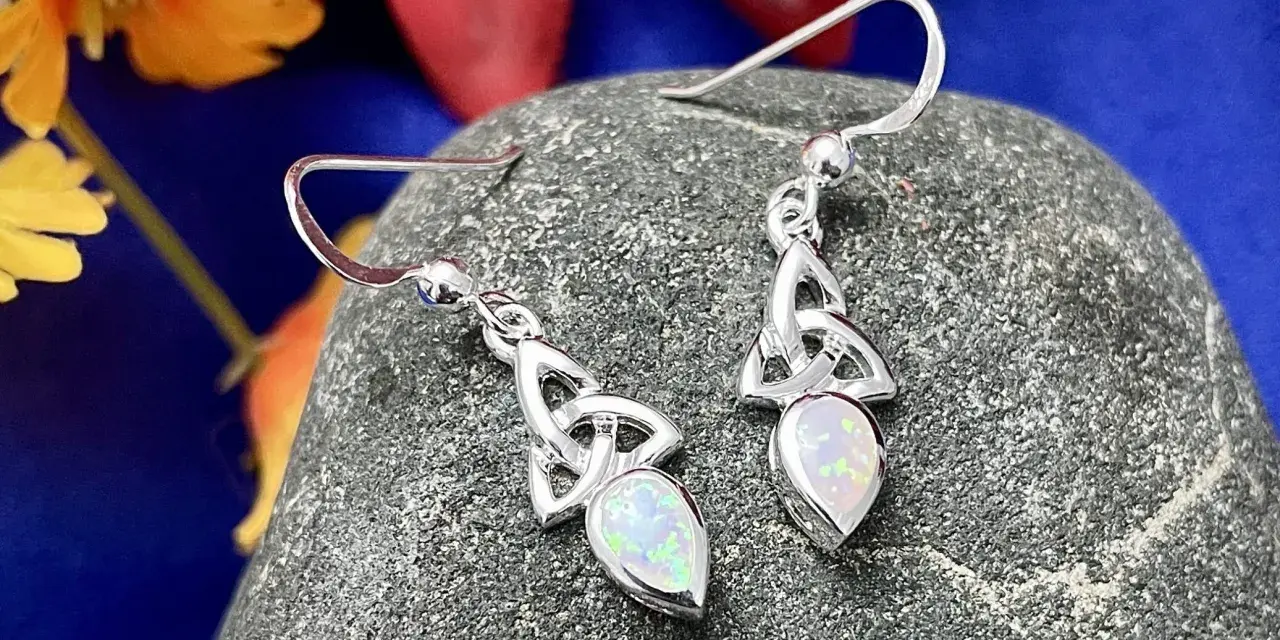
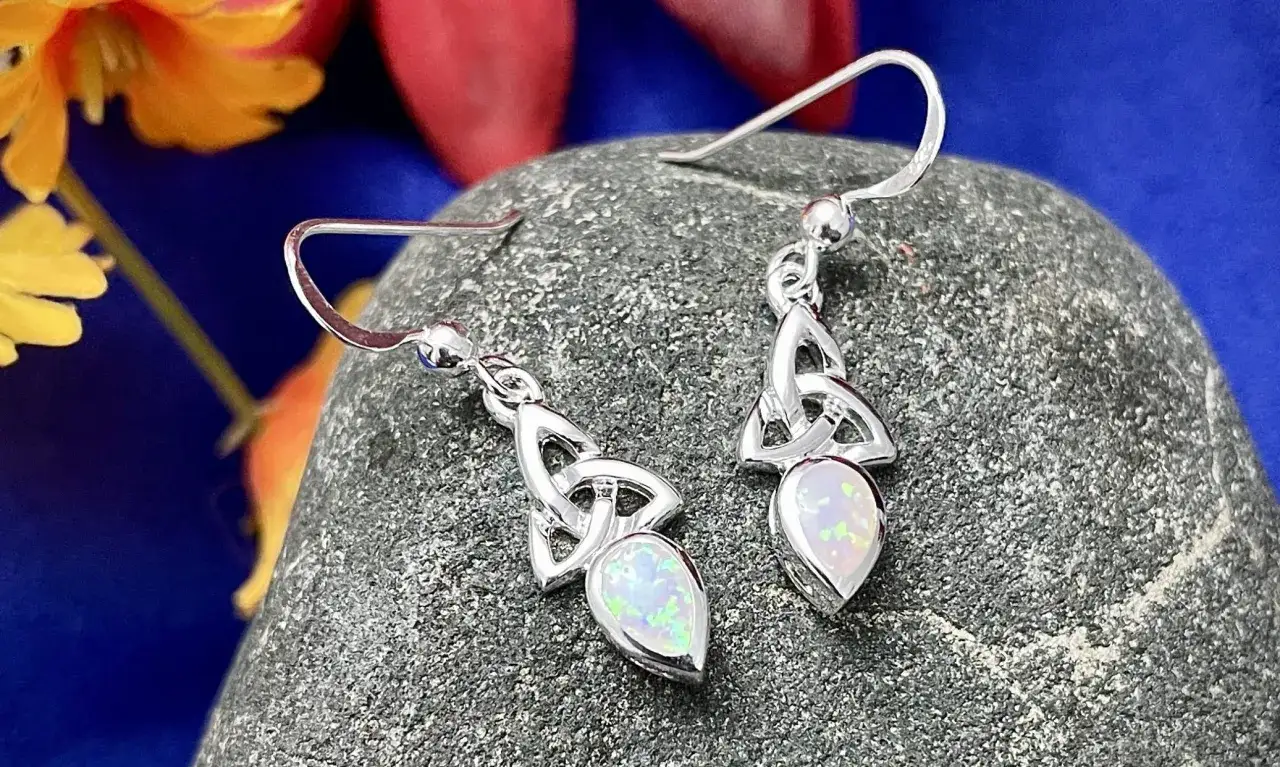
| 30 Sep - 27 Oct | Ivy | Opal | Romantic and luminous, though much more delicate than it looks. |
| 28 Oct - 24 Nov | Reed | Jasper | Earthy, grounded, and one of the easier stones to wear often. |
| 25 Nov - 23 Dec | Elder | Jet | Understated and atmospheric, with a distinctly antique character. |
Read the table as a guide, not a law. If you want a more mainstream approach, you can always fall back on the familiar month stone and then let the Celtic tree sign influence the styling. That is often the most elegant solution, especially when you are choosing a gift for someone who likes symbolism but does not want anything too literal.
How to choose a stone that will actually get worn
If I am choosing a piece for real use, I ask one blunt question first: is this going to be worn every day or only on special occasions? That answer matters more than the mythology, because a delicate stone in the wrong setting quickly turns from meaningful to annoying.
For rings, I usually prefer stones that are reasonably tough and scratch-resistant. As a rule of thumb, anything around 7 or higher on the Mohs scale is a safer everyday choice, which is why clear quartz, topaz, ruby, diamond, and many garnet-like stones work well. Moonstone, opal, coral, and jet can still be beautiful, but I would steer them towards pendants, earrings, or occasional-wear rings.
It is also worth remembering that hardness is only part of the story. Emerald, for example, is admired for its beauty and prestige, but it can be brittle enough to need a protective setting. In other words, a stone can score well on paper and still need careful handling in the real world.
- Daily rings work best with quartz, topaz, ruby, diamond, and other robust stones.
- Pendants are the easiest home for moonstone, opal, coral, and jet.
- Earrings can carry more delicate stones because they take less abrasion than rings.
- Organic gems such as coral and jet need gentler care and should stay away from harsh cleaning methods.
If the stone is symbolic but fragile, that does not make it a bad choice. It just means the jewellery needs to match the life of the person wearing it. That is where good design starts to matter.
Which metals and settings make the design feel refined
For Celtic styling, I usually find that less is more. A single stone, a clean frame, and one strong motif usually look far better than a crowded piece trying to say everything at once. The moment the symbolism begins to compete with the stone, the design loses its balance.
In the UK, sterling silver is the easiest way to keep the look timeless and recognisably Celtic. It suits knotwork, tree-of-life references, and engraved borders without making the piece feel overdone. If you want something warmer or more formal, 9ct gold gives a practical everyday finish, while 18ct gold feels richer and more ceremonial.
The setting should follow the stone, not the other way round. I would use a bezel for softer gems because it protects the edges and gives a cleaner outline. Prongs are better when the stone is durable and you want light to flood through it, but they are less forgiving if the wearer is hard on their jewellery.
- Silver works best for a cool, heritage look.
- Gold softens the design and makes red, green, and golden stones feel richer.
- Bezel settings protect delicate stones and suit modern minimalism.
- Prong settings show more of the stone, but they demand tougher wear conditions.
I would also keep the motif proportionate. A small knot border or an engraved leaf detail is enough to signal the theme; you do not need three different Celtic symbols fighting for attention. The best pieces feel intentional, not costume-like.
The mistakes that make the whole idea feel forced
The biggest mistake is treating every online chart as if it were equally historical. It is not. Some versions are clearly spiritual interpretations, some are jewellery retail simplifications, and some are a mix of both. If you do not make that distinction, the symbolism can start to feel vague rather than meaningful.
- Choosing a stone purely because the colour looks good, even if it is too soft for the intended use.
- Putting a delicate gem into an exposed ring setting and expecting it to survive daily wear.
- Overloading the design with knotwork, trees, runes, and engraving all at once.
- Ignoring the wearer’s wardrobe, skin tone, and preferred metal colour.
- Assuming every Celtic-inspired chart matches every other one exactly.
The last point is especially important. If the date range and the gemstone vary from one source to another, that usually means you are dealing with a living symbolic tradition, not a fixed museum label. I find that honesty helps the piece feel more genuine, not less.
The most reliable way I would choose one today
If I were buying one of these pieces today, I would work in three steps. First, I would decide whether the gift is meant to follow the birth month, the tree sign, or simply the mood of the person who will wear it. Second, I would check whether the stone is durable enough for the way it will actually be worn. Third, I would choose a setting that keeps the symbolism elegant rather than crowded.
For most people, that formula leads to a surprisingly good result. If the wearer likes understated jewellery, I would start with silver and a clean setting. If they prefer something richer, 9ct or 18ct gold with a carefully chosen stone can feel more substantial without losing the Celtic character.
That is the balance I would aim for: a piece that respects the symbolism, survives everyday life, and still looks like jewellery you would be happy to wear for years rather than months.