The key things to know before you choose a sapphire
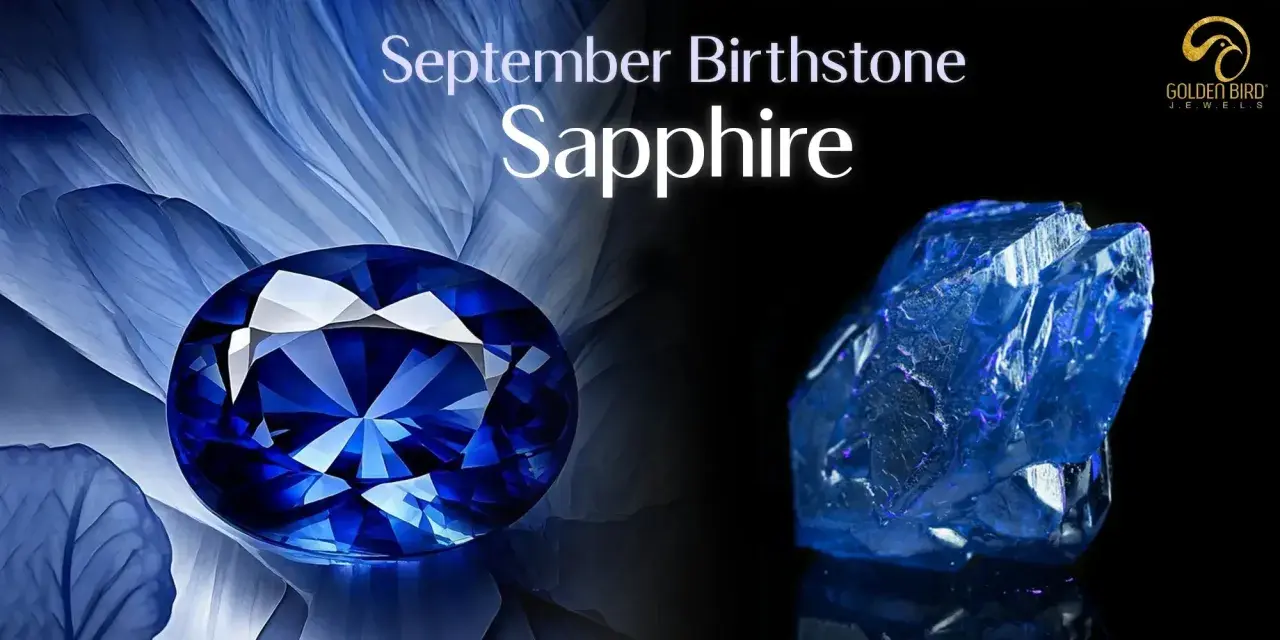
- Sapphire is September’s traditional birthstone, and it is one of the hardest gems used in jewellery, ranking 9 on the Mohs scale.
- Blue is the classic colour, but sapphires also come in pink, yellow, white, green, purple, orange, and the rare padparadscha tone.
- Heat treatment is common and widely accepted, but you should always ask whether any other treatment has been used.
- For routine care, warm soapy water and a soft brush are the safest choice for most sapphires.
- Sapphire works especially well in rings, pendants, studs, and engagement rings because it holds up beautifully to regular wear.
Why sapphire became September’s birthstone
The reason sapphire has stayed attached to September is not just tradition; it is also the way the stone feels. It has a calm, refined look, yet it is tough enough for daily life, which makes it an unusually practical birthstone as well as a symbolic one. Traditionally, sapphire has been linked with sincerity, truth, faithfulness, and nobility, and I think that association still makes sense when you see how often it appears in heirloom pieces and meaningful gifts.
Historically, sapphire was worn by royalty and clergy, so it carried a sense of status and trust long before birthstone charts became a modern gift-buying shortcut. It is also tied to the 5th and 45th wedding anniversaries, which is another reason it shows up so often in milestone jewellery. That combination of history and wearability is what makes sapphire more than a pretty blue stone. It has cultural weight, but it also earns its place in the jewellery box.
That history is useful, but the next question is the one most readers really care about: what kind of sapphire should you actually choose?
Which sapphire colours actually suit your style
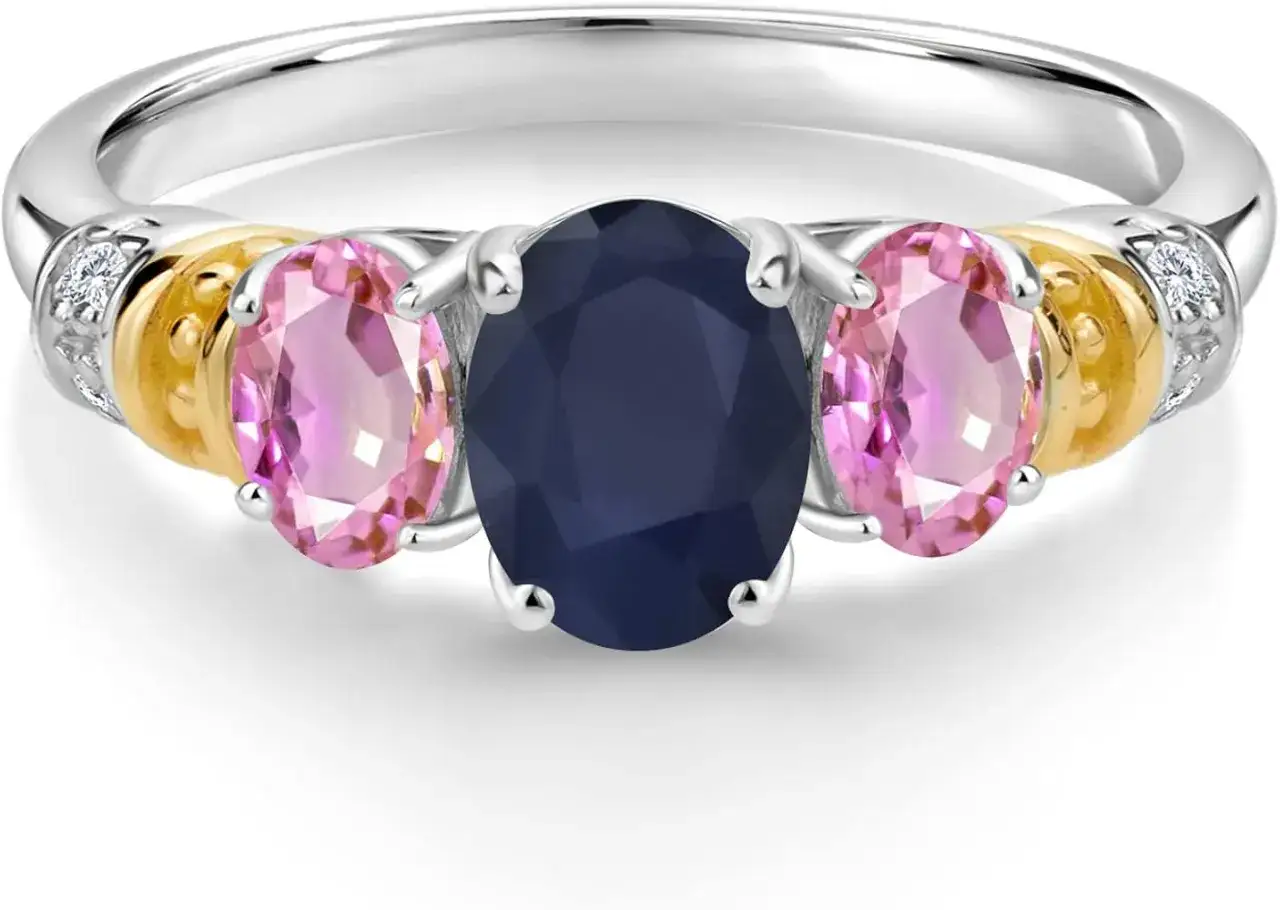
Blue is the classic choice, but it is only the starting point. In gem trade language, a fancy sapphire is simply any sapphire that is not blue, and that opens the door to a much wider palette. I like to think of sapphire colour in terms of mood rather than category: some stones feel formal and crisp, others feel softer, warmer, or more unusual.
| Colour | What it looks like | Why people choose it | Best use |
|---|---|---|---|
| Blue sapphire | From deep royal blue to lighter cornflower shades | The most traditional September look and the easiest to recognise | Rings, studs, pendants, classic gifts |
| Pink or yellow sapphire | Brighter, lighter, and more playful than blue | Gives you colour without losing sapphire’s durability | Modern rings, stacking pieces, everyday jewellery |
| White sapphire | Colourless to near-colourless | A subtle alternative to diamond with a softer sparkle | Minimalist rings, stud earrings, budget-conscious designs |
| Padparadscha sapphire | A rare pink-orange blend | Distinctive, collectible, and very recognisable once you have seen one in person | Special-occasion rings and bespoke pieces |
One important boundary: red corundum is ruby, not sapphire. Everything else in the corundum family can fall under the sapphire umbrella, which is why sapphire colour options are much broader than many people expect. If you want a stone that still feels like a September gem but does not look like everyone else’s, a pink, yellow, or padparadscha sapphire is often the smartest move.
Colour matters most, but it is only half the buying decision. The next part is knowing how to judge the stone itself, not just the marketing around it.
How to judge a sapphire before you buy
When I look at a sapphire, I usually start with colour, then move to cut, clarity, and treatment. That order matters because a well-cut stone with lively colour often looks better than a larger stone that feels flat or lifeless. The most important thing is to judge the gem as a whole, not one detail in isolation.
| What to check | What good looks like | Why it matters |
|---|---|---|
| Colour | Rich, even saturation with no washed-out areas | Colour is the main driver of beauty and value in sapphire |
| Cut | Good symmetry and lively reflection across the face of the stone | A poor cut can make the gem look dull or see-through in the centre |
| Clarity | Some inclusions are normal, but they should not dominate the stone | Visible fractures can affect both beauty and durability |
| Treatment | Clear disclosure of any heat, diffusion, fracture filling, or dyeing | Treatment affects value and, in some cases, how the stone should be cared for |
| Origin | Nice to know, but not the only thing that counts | Origin can influence price and story, yet colour and treatment still matter more |
A few practical questions are worth asking before you buy: has the stone been heat treated, is any other treatment present, and can the seller provide documentation for higher-value pieces? Heat treatment is common and accepted in the trade, but untreated stones can be rarer and more valuable if the colour is strong. That is one of the subtle things first-time buyers often miss: rarity alone does not make a sapphire beautiful, but it does change what a fair price looks like.
Once you understand the stone, the next decision is how to wear it. That is where sapphire really becomes interesting, because it can look formal, modern, or quietly luxurious depending on the setting.
How to wear sapphire jewellery in a way that feels modern
In the UK, sapphire often looks especially sharp in white gold or platinum, because cool metals make blue stones appear cleaner and more vivid. Yellow gold gives sapphire a warmer, more traditional character, and I like that pairing when the design leans vintage or antique. For pink, yellow, or padparadscha sapphires, rose gold can be surprisingly effective because it supports the stone’s warmth instead of competing with it.
| Style | Why it works | Best for |
|---|---|---|
| Solitaire ring | Puts the stone at the centre and lets the colour do the talking | Engagement rings and statement gifts |
| Halo ring | Surrounds the sapphire with smaller stones for extra brightness | People who want the gem to look larger and more dramatic |
| Pendant | Protects the stone better than a ring and sits neatly against the skin | Everyday wear and layering with other necklaces |
| Stud earrings | Easy, balanced, and low-fuss | Gifts, office wear, and pieces that need to work with everything |
If I were styling sapphire for a modern British wardrobe, I would usually keep the design clean and let the colour do the work. An oval or cushion-cut sapphire in a simple four-claw setting feels timeless without looking stiff, while a bezel setting gives a slightly more contemporary edge and extra security. For an engagement ring, that combination of colour, protection, and everyday comfort is hard to beat.
Style matters, but sapphire is also popular because it is genuinely easy to live with. That brings us to care, where the details are simple but worth getting right.
How to care for sapphire jewellery without ruining the finish
The good news is that sapphire is a robust stone. According to GIA, warm soapy water is always safe for routine cleaning, and most untreated, heat-treated, or lattice-diffused stones can also handle ultrasonic or steam cleaning. Where people get into trouble is with fracture-filled or dyed sapphires, which need much gentler handling and should only be cleaned with a damp cloth.
My usual care routine is straightforward:
- Wash the piece in warm water with a small amount of mild soap.
- Use a soft brush to lift dirt from behind the stone and around the setting.
- Rinse well and dry with a lint-free cloth.
- Store sapphire separately so it does not knock against softer gems or delicate metalwork.
- For rings worn daily, have the setting checked once a year so loose claws are caught early.
If the cleaning routine is simple, the buying decision still deserves a little discipline. That is where most people either overspend or choose the wrong piece for their lifestyle.
The choices that matter most when you buy a September sapphire
If I were choosing a sapphire today, I would focus on three things first: colour, treatment disclosure, and setting. Size comes after that. A slightly smaller stone with rich colour and a clean cut will usually look more elegant than a larger gem that feels pale or overworked.
- Choose the colour you enjoy in daylight, not just under shop lighting.
- Ask whether the stone has been heat treated or given any other treatment.
- Match the setting to how you will wear it, not just how it looks in the box.
- Be realistic about inclusions; small natural features are normal in sapphire.
- Buy from a seller who can explain the stone clearly and answer questions without dodging them.
That is why sapphire works so well as September’s birthstone: it has meaning, but it is not fragile; it can be traditional, but it is never boring; and it can be worn every day without feeling precious in the fragile sense of the word. If you want a birthstone that balances symbolism with genuine practicality, sapphire still sets the standard.