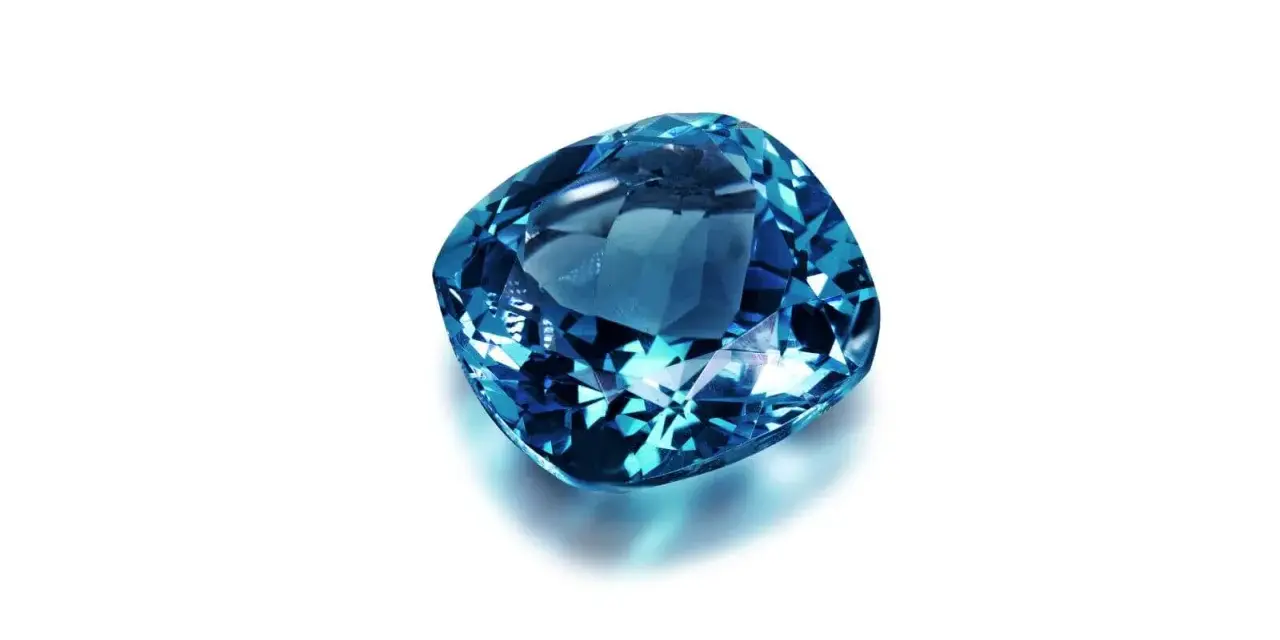
September is one of the easiest months to match with a gemstone, because the answer is both classic and practical: sapphire is September’s birthstone. That opens the door to more than just the familiar deep blue stone, though, and I think that is where the topic becomes genuinely useful for anyone choosing a gift, building a jewellery collection, or simply learning what makes the gem special.
For a UK reader, sapphire is the version I would expect to see most often, especially in fine jewellery. It has the kind of history, durability, and visual range that makes it easy to wear and easy to love, which is exactly why it still matters.The September stone is sapphire, and the details matter when you choose one
- Sapphire is the standard modern birthstone for September.
- The best-known version is blue, but sapphire naturally comes in many colours except red.
- It scores 9 on the Mohs scale, so it is one of the best gemstones for daily wear.
- Treatment disclosure matters, especially if you are buying a finer stone.
- Warm soapy water is the safest routine cleaning method for most sapphires.
What sapphire actually is
Sapphire is a variety of corundum, the mineral family that also includes ruby. The distinction is simple but important: red corundum is classified as ruby, while sapphire covers the other gem-quality colours. Blue is the most famous version, which is why so many people mentally equate sapphire with a rich royal blue stone, but that is only part of the story.
That broader definition matters because it changes how you judge the gem. If you only think of sapphire as “blue,” you miss some of the most interesting options, from soft pink stones to vivid yellow pieces and rare collector favourites. The birthstone itself is broader than the stereotype, and that is one of the reasons it stays relevant.
Once the gemstone itself is clear, the next question is why September belongs to it so strongly.
Why sapphire has long been linked with September
Sapphire has carried symbolism for centuries. It has been associated with sincerity, truth, faithfulness, and nobility, which is a fairly elegant combination for a birthstone. Historically, royalty and clergy both wore it, and that helped build the gemstone’s reputation as something refined, protective, and quietly powerful rather than merely decorative.
I think that history still affects how people respond to sapphire today. It feels formal enough for a milestone gift, but not so precious that it becomes untouchable. In British jewellery culture especially, that balance is part of the appeal: sapphire looks appropriate in an engagement ring, but it works just as well in a pendant or a pair of everyday studs.
That long heritage also explains why blue is the default colour people picture first, even though it is far from the only one.
Sapphire colours worth knowing before you buy
If you are choosing a September piece, colour is the first thing I would look at. Blue is the safest and most traditional option, but sapphire’s real strength is range. The table below gives a quick way to read the main varieties without getting lost in gem jargon.
| Colour | What it looks like | Best for |
|---|---|---|
| Blue sapphire | From pale cornflower blue to deep royal blue | Classic gifts, engagement rings, timeless everyday jewellery |
| Pink sapphire | Soft blush to strong magenta tones | Romantic pieces and lighter, more personal designs |
| Yellow sapphire | Warm lemon to rich golden shades | Bright, cheerful jewellery with a little less formality |
| White sapphire | Colourless or nearly colourless | Diamond-like designs when you want a subtler look |
| Padparadscha sapphire | Rare pink-orange blend | Collector pieces and standout gifts |
| Star sapphire | A stone that shows a star-like effect called asterism, usually when cut as a cabochon | Vintage-inspired or conversation-piece jewellery |
Colour gets the attention, but value is really decided by the stone’s quality, treatment, and cut. That is where many buyers either overpay or miss the better option.
How to judge quality without getting distracted by carat weight
When I am looking at sapphire, I do not start with size. I start with colour and cut, because a smaller stone with strong colour often looks more luxurious than a larger one that feels flat or dull. Sapphire is a gem where the first impression matters a lot.
| Factor | What I look for | Why it matters |
|---|---|---|
| Colour | Rich, even saturation with no muddy or overly dark areas | Colour is the main driver of beauty and price |
| Cut | Good symmetry, clean proportions, and lively light return | A poor cut can make even a fine stone look sleepy |
| Clarity | Inclusions that do not dominate the face-up view | Too many visible flaws reduce sparkle and appeal |
| Treatment | Clear disclosure of heating, diffusion, filling, or dyeing | Treatment changes both care needs and value |
| Carat weight | Size only after the other factors are right | Big is not better if colour and cut suffer |
Heat treatment is common in sapphire and generally accepted in the trade, so it is not a red flag on its own. What I would ask about more carefully is whether the stone has been fracture-filled or dyed, because those treatments need gentler handling. If a sapphire is being sold at a serious price, I want the treatment disclosure to be specific and, ideally, supported by a trusted gem report.
Origin can also affect value, especially at the top end, but I would never pay for a source story if the colour is weak. The best stone is the one that looks good in real light, not just on a label.
Once you know what to buy, the practical question becomes how to wear it well and keep it looking clean.
How to wear and care for sapphire so it lasts
Sapphire is one of the easiest coloured gemstones to live with, which is a big reason it works so well in rings. At 9 on the Mohs scale, it is very hard, and that makes it suitable for daily wear. It is not indestructible, though. A sharp knock can still chip a corner, so the setting matters as much as the stone itself.
For styling, I usually think in terms of metal tone and personality. White gold or platinum gives blue sapphire a crisp, cool edge. Yellow gold makes the stone feel warmer and a little more traditional. Pink sapphire looks especially good in soft, romantic settings, while yellow sapphire has a brighter, more playful feel. A bezel setting is worth considering if the piece will be worn often, because it protects the edges better than a very open claw setting.
- Clean sapphire with warm water, mild soap, and a soft brush.
- Dry it with a lint-free cloth rather than rubbing it hard.
- Store it separately so it does not scratch softer stones.
- Avoid harsh chemicals, especially if the stone has fillings or dye treatments.
- Use ultrasonic or steam cleaning only if the jeweller confirms the treatment type is safe.
That mix of strength and beauty is exactly why sapphire remains such a dependable jewellery choice. It looks refined, but it also copes with ordinary life better than many other gemstones.
If I were choosing a September piece in 2026, I would always ask one question first: is this meant to be worn every day, or kept for special moments?
The version I would choose for a September gift in 2026
For everyday wear, I would choose a well-cut blue sapphire with clear treatment disclosure and a secure setting. That is the safest, most timeless option, and it is the one least likely to feel dated later. For someone who already owns blue gemstones, I would look at pink or yellow sapphire instead, because those colours keep the September connection while making the jewellery feel more personal.
If the goal is something memorable rather than traditional, padparadscha sapphire is the most distinctive choice, but it should be chosen for its colour quality first and its rarity second. Star sapphire is a different kind of pleasure altogether: less about precision sparkle, more about atmosphere and character. Both can be excellent, but they reward a buyer who is patient and selective.
What I keep coming back to is this: sapphire is not just September’s birthstone because tradition says so, but because it solves several jewellery problems at once. It is meaningful, durable, versatile, and easy to style, which is a rare combination in any gemstone. That is why it still feels right in British jewellery boxes, whether the piece is a birthday gift, an engagement ring, or the kind of necklace someone wears so often it becomes part of their signature.