The main message of opal symbolism is about shifting light, not fixed rules
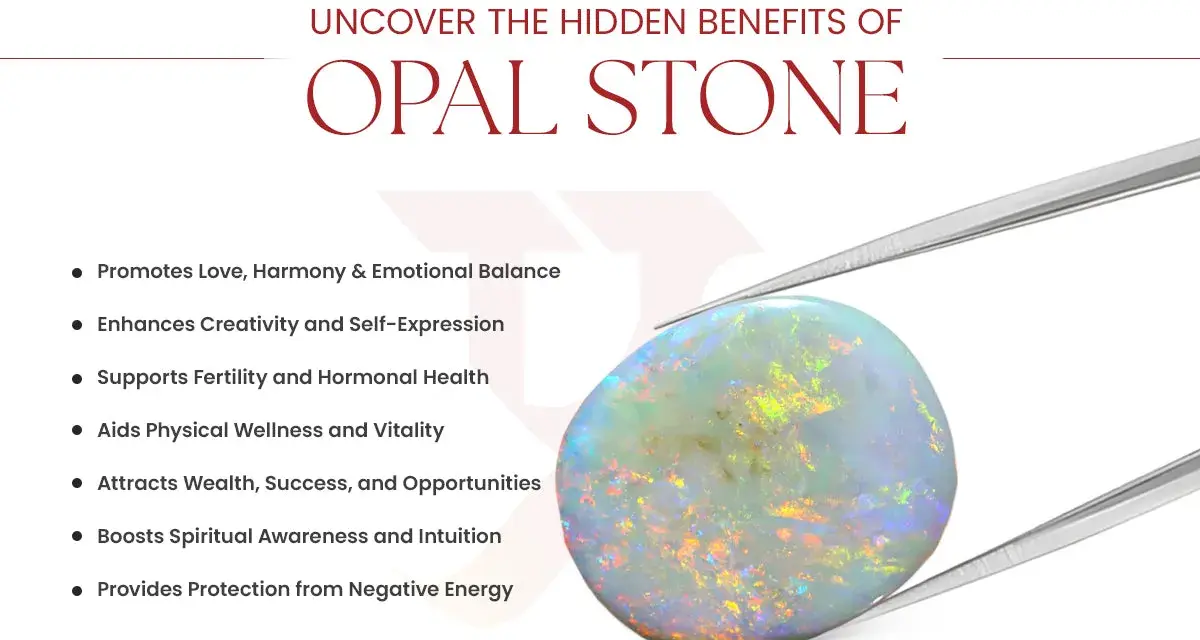
- Opal is commonly linked with hope, creativity, emotional clarity, and renewal.
- Its meaning often changes by colour, with white, black, and fire opals carrying different moods.
- Older lore gave opal both lucky and unlucky reputations, depending on the culture and era.
- In jewellery, the setting matters: the same stone can read romantic, mystical, or modern.
- Opal is beautiful but delicate, so symbolism and care need to be considered together.
What the core symbolism of opal usually points to
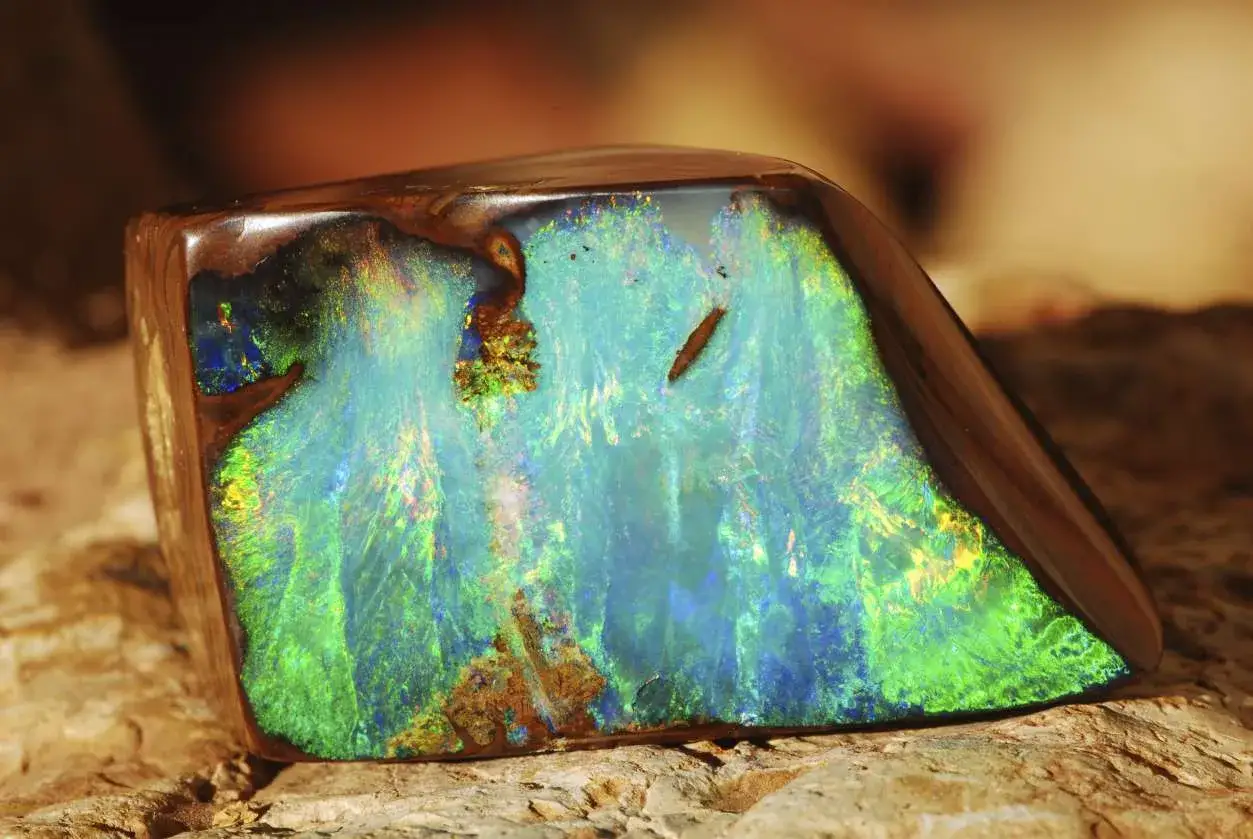
When I strip away the folklore, the symbolic heart of opal is surprisingly clear: it is a stone of movement, reflection, and emotional range. Its play-of-colour makes it feel alive, which is why people often connect it with creativity, intuition, and the ability to see more than one truth at once.
That is also why opal is often chosen as a birthstone or a meaningful gift. It suggests a person who is layered, sensitive, and not easily reduced to one mood or one role. In spiritual terms, opal is frequently linked with emotional honesty rather than emotional neatness. It does not feel like a stone that asks you to suppress what you feel; it feels more like one that invites you to notice it.
In practical jewellery terms, that symbolism works well for someone who wants a piece with personality but without the sharp formality of diamonds or the heavy authority of more traditional gems. From my perspective, opal is at its best when the wearer wants a piece that feels personal first and decorative second.
Why opal has carried both lucky and unlucky stories
Opal has one of the most inconsistent reputations of any gemstone. In Roman times, it was associated with love and hope, and that positive view still shapes much of its modern symbolism. GIA notes that opal was admired in antiquity for the way it seemed to contain many colours at once, which helped it acquire a reputation for preciousness and wonder.
Later, the story changed. Some European superstitions painted opal as unlucky, especially after fiction and folklore made dramatic use of its fragility and mysterious appearance. That negative reputation is worth mentioning, but I would not overstate it. It says more about cultural storytelling than about the stone itself.
For a modern reader, the useful takeaway is this: opal is a symbol that has always been emotionally charged. It has never been a neutral gemstone, and that is part of its appeal. If you are drawn to opal, you are usually drawn to something with atmosphere, not just colour.
That mixed history becomes even more interesting once you look at the different varieties, because colour changes the message quite a lot.
How colour changes the message of the stone
One reason opal symbolism feels so rich is that the stone does not mean exactly the same thing in every colour. I find it helpful to think of colour as the emotional tone of the piece. The table below gives a practical way to read the most common associations.
| Opal type | Common symbolic reading | Jewellery mood |
|---|---|---|
| White opal | Hope, innocence, clarity, gentle emotional balance | Soft, luminous, easy to wear with romantic or classic styles |
| Black opal | Depth, mystery, protection, intensity | Stronger contrast, more dramatic and statement-driven |
| Fire opal | Energy, passion, confidence, momentum | Warm, vibrant, and more expressive than meditative |
| Pink opal | Compassion, tenderness, emotional soothing | Quiet, affectionate, and often chosen for sentimental gifts |
| Blue opal | Calm, communication, reflection | Cooler and more contemplative, with a less romantic feel |
These meanings are not fixed rules. They are symbolic patterns, and different crystal traditions will describe them differently. Still, the colour shift is useful because it gives you a way to match the stone to an intention. If you want something soothing, white or pink opal usually feels right. If you want something that feels powerful or a little enigmatic, black opal often carries that message more clearly.
That colour logic matters even more when opal is turned into jewellery, because the setting changes how the stone is read at a glance.
What opal means when it becomes jewellery
Once opal is set into a ring, pendant, or pair of earrings, its meaning becomes less abstract. The piece starts to signal how it should be experienced. In British jewellery, that matters a lot, because opal often works best when the design is doing some of the storytelling for you.
A slim opal pendant in white metal tends to feel cooler, quieter, and more reflective. A warm yellow-gold setting usually makes the same stone feel more romantic and antique. A black opal in a clean modern mount reads as confident and slightly mysterious, while a white opal in vintage-style jewellery feels softer and more sentimental.
If I were choosing opal as a gift, I would think about the relationship first and the stone second. Opal is a strong choice for someone who likes symbolic gifts, values individuality, or prefers jewellery with character. It is less ideal if the wearer wants a very blunt, conventional statement piece. That is not a flaw; it is just part of opal’s personality.
There is also a useful practical angle here. Opal is the October birthstone, so it already carries a built-in sense of personal significance for birthday jewellery. That makes it especially suitable when you want a gift to feel meaningful without being predictable.
How to wear opal so the symbolism feels intentional
Meaning gets stronger when the way you wear a stone matches the feeling you want from it. I usually think about opal in three simple settings: everyday wear, occasional wear, and ceremonial wear.
- Everyday wear works best for pendants, earrings, or rings with low exposure, especially if the piece is not heavily knocked around.
- Occasional wear suits opal rings and cocktail pieces, where the stone can be enjoyed without being treated like a hard-wearing workhorse.
- Ceremonial wear suits opal when the piece is chosen for birthdays, anniversaries, milestone gifts, or a symbolic moment that deserves a distinctive stone.
My rule of thumb is simple: if the piece needs to feel meaningful every time you put it on, choose a design that supports that feeling without overcomplicating it. A well-cut cabochon opal often does this beautifully. A cabochon is a smooth, rounded cut rather than a faceted one, and it is the classic shape for showing off play-of-colour.
For gifting, this matters because the symbolism should be legible. If the setting is too busy, the opal can lose its emotional clarity. If the design is too plain, the stone may look nice but feel generic. The strongest pieces usually sit in the middle: clear enough to let the opal speak, restrained enough not to drown it out.
That balance becomes even more important once you consider how delicate the stone is in real life.
Why care and durability matter more with opal than with harder gems
Opal’s beauty comes with a real limitation: it is not a tough gemstone in the way sapphire or diamond is. GIA places opal around 5 to 6.5 on the Mohs scale, which means it can scratch more easily than many other stones. It is also sensitive to abrupt drying and rough handling, so the way you wear it changes how long it stays beautiful.
That does not make opal fragile in a useless sense. It means opal is better treated as a thoughtful jewellery stone than as an everyday utility stone. I would not choose it for a ring that will be worn hard every day unless the wearer is genuinely careful. I would be much more comfortable with it in a pendant, brooch, or occasional ring.
A few habits make a big difference:
- Store opal separately so harder gems do not scratch it.
- Use warm, soapy water for gentle cleaning.
- Avoid ultrasonic and steam cleaning.
- Keep it away from sudden heat and very dry conditions.
That practical care does not weaken the symbolism; it supports it. A stone associated with emotional sensitivity should be handled with the same kind of care you would give the idea behind it. From a jewellery standpoint, that alignment is part of what makes opal feel meaningful rather than merely decorative.
Once you understand both the symbolism and the limits, choosing the right piece becomes much easier.
Choosing the opal that matches the story you want to tell
If I were narrowing the choice down for a client, I would start with the emotional message rather than the gem trade jargon. Ask what the piece should feel like when it is worn. Calm? Protective? Romantic? Expressive? That answer will usually tell you which type of opal makes the most sense.
Choose white or pink opal if you want softness, clarity, or a more tender feeling. Choose black opal if you want intensity, depth, or a piece that feels quietly powerful. Choose fire opal if you want energy and warmth. Then check the setting, because a thoughtful mount can reinforce the meaning far more effectively than a larger stone with the wrong mood.
That is the real value of opal symbolism to me: it is not about repeating a legend for its own sake. It is about using the stone’s shifting light, colour, and fragility to say something specific. If the piece feels personal, wearable, and in tune with the person who will own it, the symbolism has done its job.