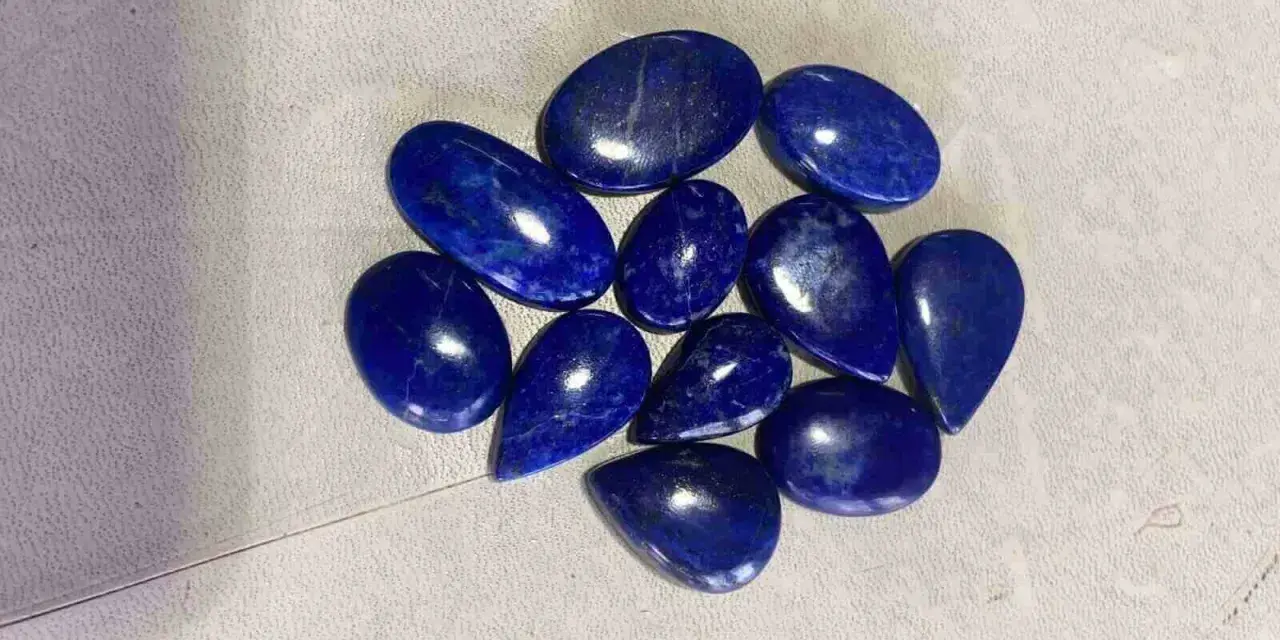
Afghan stones sit in a very specific part of the jewellery world: they are valued for colour, character, and history, but they also need careful judgment because origin alone does not guarantee quality. This article looks at the main gemstones associated with Afghanistan, what makes them distinct, how to judge treatment and value, and how to buy and wear them sensibly in the UK. I also connect them to pearl jewellery, because the contrast between soft lustre and saturated colour is where these pieces often look their best.
The essentials at a glance
- Lapis lazuli is the most iconic Afghan stone, but emerald, ruby, sapphire, tourmaline, kunzite, and aquamarine are also important.
- The best-known localities are Panjshir for emerald, Jegdalek for ruby and sapphire, Badakhshan for lapis, and Nuristan for pegmatite gems such as tourmaline and kunzite.
- Quality comes from colour, clarity, cut, and disclosure, not from a romantic origin story on its own.
- Emeralds are commonly oiled, rubies and sapphires are often heat-treated, and lapis can be dyed or stabilised.
- In the UK, a clear invoice and an independent gem report matter more than a vague “Afghan origin” claim.
- Pearls pair especially well with Afghan blue and green stones because they soften the contrast and keep the look elegant.
Why stones from Afghanistan have such a strong reputation
Afghanistan is not a one-note gemstone story. Its geology is varied, ancient, and surprisingly productive, which is why the country has produced everything from deep blue lapis lazuli to bright emeralds and corundum in ruby and sapphire form. In practical terms, that means the market is dealing with several different stone families, each with its own look, value structure, and vulnerability to treatment.
The most famous locality is Badakhshan, where lapis lazuli has been mined for millennia. Panjshir is better known for emeralds, while Jegdalek is associated with ruby, pink sapphire, and some sapphire material. Nuristan and nearby pegmatite zones have also produced tourmaline, kunzite, and aquamarine. A pegmatite is a coarse-grained igneous rock, and it matters because it often yields large crystals that lapidaries can cut into sizeable gems.
What makes Afghan material interesting to me is not just the variety, but the personality. Lapis from Afghanistan is often prized for dense blue colour and fine pyrite speckling. Panjshir emeralds can be vivid and lively, sometimes with a slightly rustic texture that collectors actually like. Jegdalek corundum is frequently more complicated than marketing copy suggests, with many stones landing in pink sapphire rather than top ruby territory. That is not a flaw; it is the reality of a gem region with range rather than a single signature product. Once you understand that range, the names on the label start to make much more sense.
The stones that matter most from Afghanistan
When I narrow the field, these are the Afghan gems I think readers should know first. The table is not a ranking of beauty; it is a quick guide to what each stone offers and what usually needs attention.
| Stone | Typical Afghan source | What it looks like | Mohs hardness | Practical note |
|---|---|---|---|---|
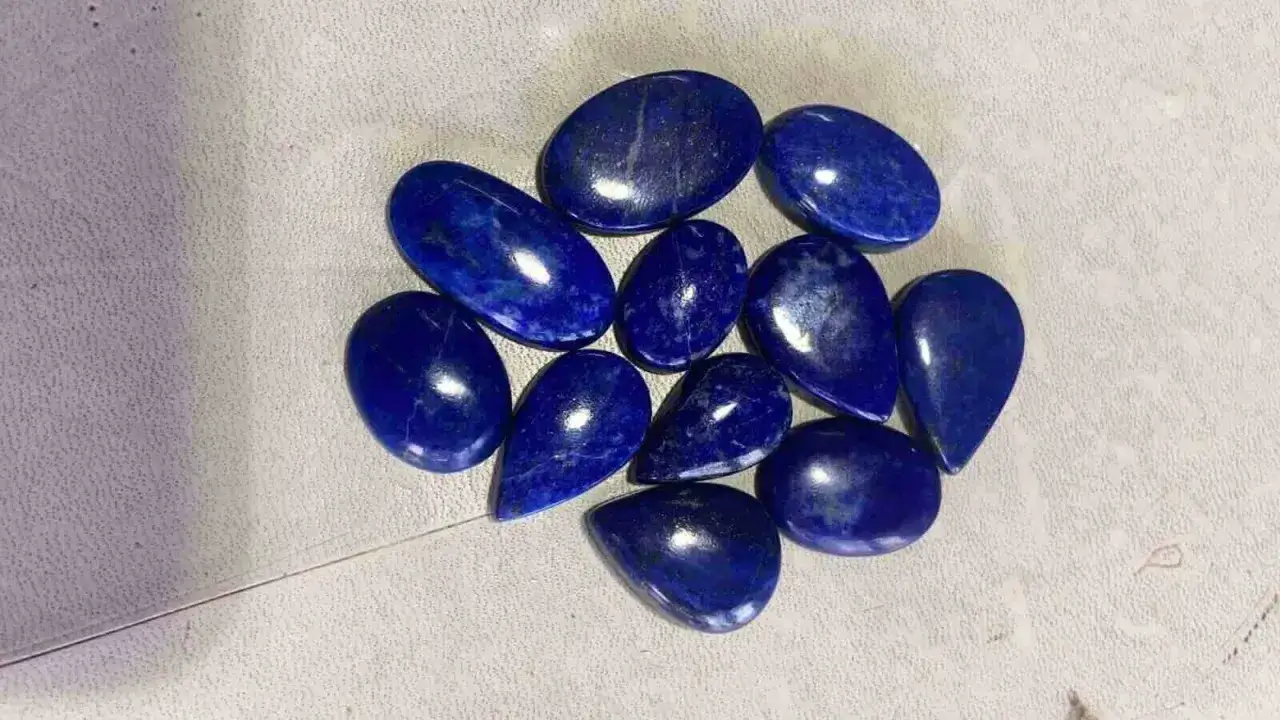
| Lapis lazuli | Badakhshan, especially Sar-e-Sang | Rich ultramarine blue, often with pyrite flecks | 5 to 6 | Look for low calcite and even colour; dyed material is a real risk. |
| Emerald | Panjshir Valley | Strong green, often with visible inclusions | 7.5 to 8 | Oiling is common; clean stones are rare and usually expensive. |
| Ruby and pink sapphire | Jegdalek | Red to purplish red, with many stones leaning pink | 9 | Fine ruby exists, but much of the production is better described as pink sapphire. |
| Sapphire | Jegdalek and parts of Badakhshan | Blue to violet-blue, sometimes with zoning | 9 | Heat treatment is common in the market, so disclosure matters. |
| Tourmaline | Nuristan and adjacent pegmatites | Green, pink, blue, or bi-colour crystals | 7 to 7.5 | Colour is the main value driver; cut quality makes a large difference. |
| Kunzite | Nuristan | Pale lilac to pinkish lilac | 6.5 to 7 | More delicate than it looks; prolonged strong light can reduce colour. |
| Aquamarine | Nuristan and pegmatite zones | Light blue to greenish blue, usually clean | 7.5 to 8 | Large crystals are a plus, but weak colour can limit value. |
If I had to choose the three stones that most clearly define Afghan production for a jewellery audience, I would start with lapis lazuli, Panjshir emerald, and Jegdalek corundum. They cover the country’s signature blue, green, and red-to-pink spectrum, which is exactly why they appear so often in both antique and contemporary designs. That colour range also explains why they style so well with pearls, which I will come back to later.
How I judge quality and treatment before I think about origin
A good origin story never excuses poor quality. When I evaluate Afghan material, I start with the same core questions I would use for any gem: Is the colour convincing? Is the cut working for the shape of the rough? Are the inclusions part of the stone’s character, or are they making it structurally risky? Only after that do I care about where it came from.
Lapis lazuli should look like a deep, saturated blue with controlled pyrite. Too much white calcite makes the piece look chalky, while unnatural uniformity can point to dyeing or heavy enhancement. Because lapis is a rock rather than a single mineral, consistency matters more than absolute perfection.
Emerald is almost never “clean” in the way a diamond buyer might expect. Internal features are normal, and many stones are treated with oil or another filler to improve appearance and reduce the visibility of fissures. That is standard practice, but the treatment should be disclosed. A fine Panjshir emerald is judged first by colour, then by brightness, then by whether the fractures are stable enough for daily wear.
Ruby, pink sapphire, and sapphire require a different eye. Corundum is hard, but not immune to chipping if it is fractured. Heat treatment is common and often accepted in the trade, so the question is less “has it been treated?” and more “has it been honestly described?” If a seller avoids that question, I read that as a warning sign.
Tourmaline, kunzite, and aquamarine are usually more about colour and cutting style than about elaborate treatment, but they still need a critical look. Tourmaline can show lovely zoning; that can be a feature, not a defect. Kunzite is attractive but comparatively delicate in long-term display. Aquamarine can be elegant in larger sizes, yet a weakly coloured stone can look washed out once set.
This is where the practical mindset helps: a beautiful stone with honest disclosure is better than an impressive-sounding origin with no documentation. That leads naturally into the question of how to buy these pieces in the UK without overpaying.
How to buy them in the UK with fewer regrets
In the UK market, Afghan stones usually turn up through specialist jewellers, gem dealers, antique sellers, and online listings that vary wildly in quality. The safest approach is to buy the stone, not the story. I would always ask for three things: the exact species, the treatment status, and any independent report or written disclosure about origin.
If the piece is inexpensive, a full laboratory report may not be practical, but the seller should still be able to tell you what the material is and whether it has been enhanced. If the stone is high-value, a report becomes much more important because origin claims can be difficult to verify and easy to exaggerate. In 2026, that remains the most important buying discipline: pay for evidence, not atmosphere.
- For lapis, ask whether the surface has been dyed, waxed, or resin-stabilised.
- For emerald, ask how much oiling was used and whether fissures are stable enough for normal wear.
- For ruby and sapphire, ask if the stone has been heat-treated and whether the colour is natural for the material.
- For tourmaline and aquamarine, pay close attention to cut, saturation, and eye-clean appearance.
- For antique or vintage pieces, check whether the setting is original and whether the gem has been re-polished or reset.
I also look at pricing structure. Lapis is usually easier to buy and more forgiving on budget, while emerald and fine corundum move into premium territory quickly once colour and size improve. That is not a strict rule, but it is a reliable pattern. If a seller prices a vivid emerald like common decorative stone, or a heavily included ruby like a top-tier gem, something is off.
For UK buyers, one final point matters: buy from someone who can explain the stone clearly in plain English. If the description leans on folklore but collapses when you ask about treatment or durability, walk away. The next section explains why that matters even more when pearls enter the picture.
How to wear Afghan stones with pearls and keep them looking their best
Afghan gems and pearls make a strong combination because they balance each other. Pearls bring softness, while Afghan stones bring depth and colour. That contrast can look classic, modern, or quietly luxurious depending on the proportions and the metal choice.
My favourite pairing is lapis lazuli with white or cream pearls. The blue and the gentle sheen work together without competing. Emerald with pearls feels more refined and slightly formal, especially in yellow gold or warm rose gold. Tourmaline gives the most flexibility because it can be playful in pink, fresh in green, or unexpectedly graphic in bi-colour form. Ruby and pearls read as evening jewellery almost immediately, which is useful if you want a piece that feels dressed-up without becoming overly ornate.
There is also a practical reason to think about pearls early: they are much softer than most gemstones. Natural pearls typically sit around 2.5 to 4.5 on the Mohs scale, so they scratch more easily than lapis, emerald, ruby, sapphire, tourmaline, or aquamarine. That means the combined piece should be designed and worn with care rather than treated as everyday armour.
- Put pearls on last and take them off first.
- Keep perfume, hairspray, and lotions away from pearl surfaces.
- Do not use an ultrasonic cleaner on pearls or on oiled emeralds.
- Store pearl jewellery separately from harder gems so it does not get marked.
- For kunzite, avoid long exposure to strong sunlight when the piece is displayed or worn regularly.
If a design combines pearls with a softer Afghan stone such as lapis, I prefer a gentle wipe with a slightly damp soft cloth and nothing more. For emerald, ruby, and sapphire, a jeweller’s advice is better than a rushed cleaning routine at home, especially if you do not know whether the stone has been filled or heavily treated. That care discipline is what keeps the piece attractive long after the initial purchase.
The details that protect value over time
When people talk about Afghan stones, they usually talk about colour first. I think value is protected by a wider set of details. Good colour matters, of course, but so do cut quality, treatment transparency, and the suitability of the piece for real wear. A gem that looks spectacular in a tray and falls apart in a ring is not a good buy.
Three habits make the biggest difference over time. First, keep the original documentation and invoices. Second, note any treatment disclosure in writing, even if the stone is modest. Third, choose designs that suit the gem’s weaknesses: a fracture-prone emerald should not be overexposed to knocks, and a pearl should not be paired with a setting that scratches it every time the jewellery is worn.
If I were building a small but meaningful collection from Afghanistan, I would choose one stone for colour, one for history, and one for everyday wear. Lapis lazuli covers the historic role, emerald gives the strongest green, and tourmaline or aquamarine can offer better versatility for daily jewellery. The smartest purchases are usually the ones that balance beauty with honesty, not the ones that shout the loudest about origin.
That is the real lesson here: Afghan material is worth seeking out, but it rewards informed buying. If you focus on colour, durability, treatment disclosure, and sensible styling with pearls, you end up with jewellery that feels personal rather than merely impressive.