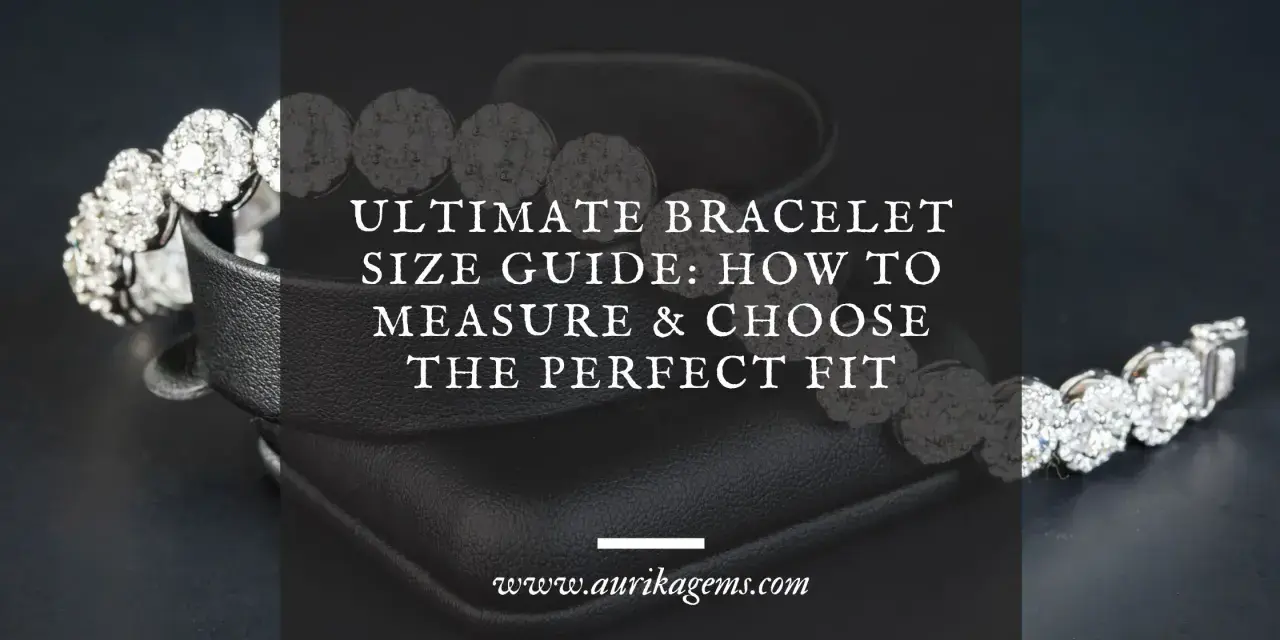
Bracelets do more than finish an outfit; they change how the wrist reads from across a room. The most useful way to read bracelet styles is to look at structure first, because shape, fastening and movement tell you more than the label on the card. This guide breaks down the main forms, explains what makes each one different, and shows how to choose a piece that suits both your wrist and your wardrobe.
The quickest way to choose a bracelet is to start with shape and fit
- Structure comes first: rigid bangles, open cuffs, flexible chains and stone-set tennis bracelets all wear differently.
- Fit matters as much as finish: a comfortable bracelet usually has a little ease, not a tight pull at the wrist bone.
- Construction changes lifespan: clasps, link thickness, settings and metal quality affect how long a piece stays beautiful.
- Two or three pieces usually stack better than five, unless each one is very slim.
- UK sizing is easiest in centimetres, especially when you are comparing bracelets, bangles and cuffs.
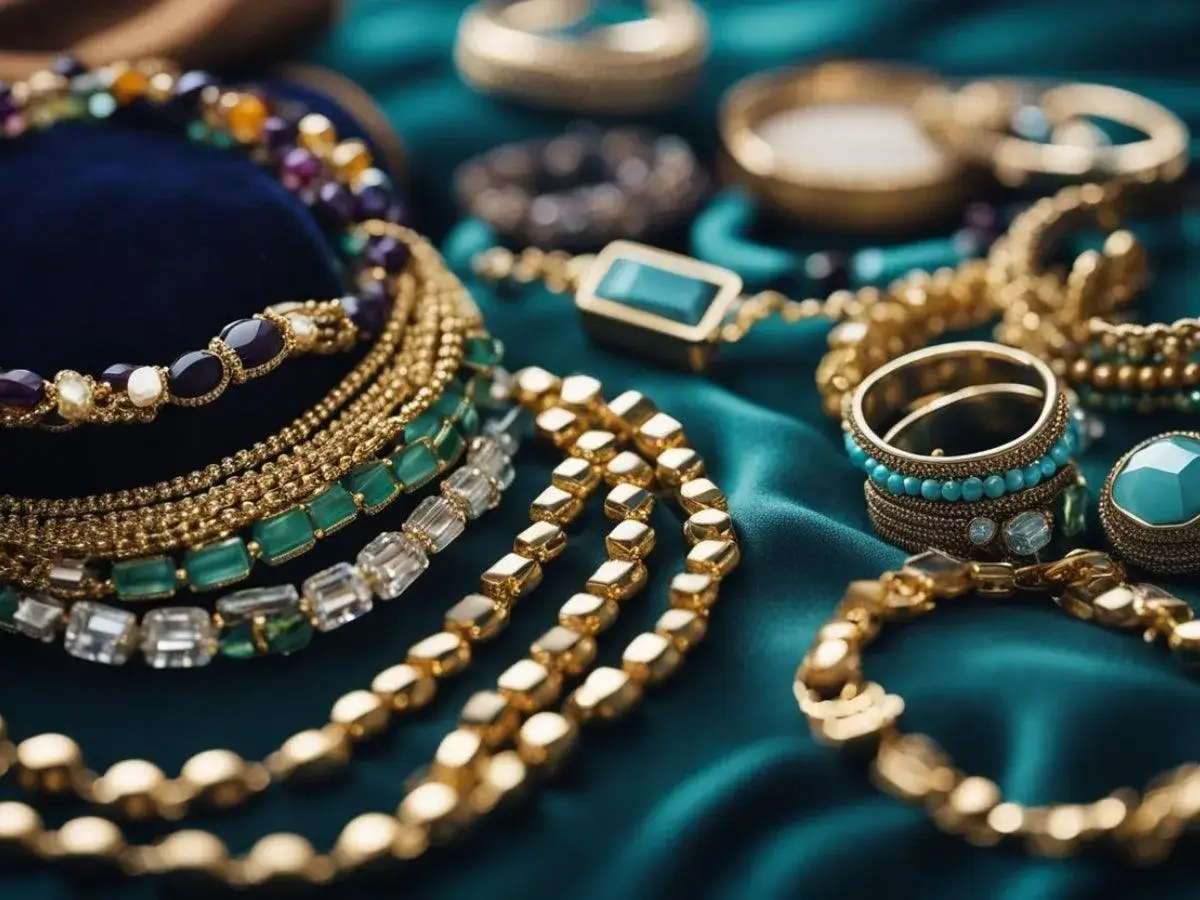
The main bracelet styles and what each one does well
I separate bracelets by how they move on the wrist, because that is what changes the look most. A rigid circle, an open cuff and a flexible chain can all be elegant, but they create very different lines and levels of comfort. Once you see the structure, the rest of the decision becomes much easier.
| Style | What it looks like | Best for | Main trade-off |
|---|---|---|---|
| Chain bracelet | Flexible linked metal that drapes softly | Everyday wear, layering and understated polish | Links and clasps need checking, especially on finer pieces |
| Bangle | Solid closed circle, usually slipped over the hand | Classic looks, clean lines and stacking | Needs the right inner diameter and can rattle if oversized |
| Cuff | Rigid open band with a gap at the back | Bold minimalism and easy on-off wear | Repeated bending can weaken the metal over time |
| Tennis bracelet | A continuous line of evenly set stones | Formal dressing, gifts and refined evening wear | Stone settings must be secure, and quality affects price quickly |
| Charm bracelet | A base chain with hanging charms or tokens | Personal, sentimental and collectible jewellery | Can become heavy, noisy or visually crowded |
| Beaded bracelet | Beads strung on elastic, wire or cord | Relaxed outfits, colour-led styling and casual looks | Elastic ages, and beads can wear against each other |
| Leather or cord bracelet | Soft band with a more casual finish | Laid-back, festival and masculine styles | Less happy with water, sweat and frequent friction |
| Pearl or gemstone bracelet | Strung pearls or polished stones with a gentle sheen | Elegant daywear and occasion dressing | Needs more care than plain metal, especially around chemicals and impact |
That classification matters in practice. A chain bracelet disappears into an outfit more easily than a cuff, while a tennis bracelet reads as polished rather than casual. I find that people choose better when they stop thinking in labels and start thinking in shape, movement and finish. Once you know the structure that suits the job, you can judge the details that affect comfort and durability.
How construction changes comfort and durability
I care about construction as much as appearance. Two bracelets can look similar in a photo and behave very differently once you wear them for a full day. The small technical choices are usually what separate a piece you enjoy from one that sits in a box.
Closed designs and open designs
Bangles and other closed circles depend on the hand passing through the opening, so the inner diameter has to work for both the wrist and the widest part of the hand. Cuffs are more forgiving because the opening lets them slide on, but they should not be bent back and forth every time you wear them. Flexible chains and strands are easier to size, but they depend on the quality of the clasp and the links.
Clasps and settings
A lobster clasp is usually the safest everyday choice. Spring-ring clasps are lighter, but they can be fiddly; box clasps suit neater dress pieces; slider or bolo clasps allow small size adjustments. If stones are involved, check whether they are set in prongs, a bezel or a channel. Prongs show more of the stone, a bezel protects the edge, and a channel keeps the line smooth.
Weight, thickness and wear
Thin bracelets feel delicate, but they can also twist, kink or stretch faster if they are worn hard. Hollow pieces are lighter and comfortable for long wear, yet they dent more easily than solid ones. If you plan to wear a bracelet daily, I usually favour clean construction over ornate surface detail, because the underside of the wrist takes more friction than people expect.
That construction logic is useful, but fit still decides whether a bracelet gets worn, so I turn to sizing next.
How to choose one for your wrist and wardrobe
Fit is not a cosmetic detail; it changes how the bracelet sits, how it moves and even how expensive it looks. In the UK, I prefer to work in centimetres first, because most jewellers size bracelets that way and it avoids guesswork when you compare pieces from different brands.
| Wrist circumference | Good starting bracelet length | Fit note |
|---|---|---|
| 14-15 cm | 16-17 cm | Usually comfortable for slim chains and fine strands |
| 16-17 cm | 18-19 cm | A practical everyday starting point for flexible bracelets |
| 18-19 cm | 20-21 cm | Often works better for chunkier links or a looser fit |
For rigid bangles and cuffs, the wrist measurement is only part of the story. You also need enough room for the hand to pass through comfortably, which is why a bangle that feels perfect on paper can still be awkward in real life. If you are between sizes, I usually suggest moving up, then checking whether the bracelet still rests where you want it.
- For slim wrists, fine chains, narrow cuffs and smaller bangles usually look balanced rather than overwhelmed.
- For broader wrists, medium-width links, structured cuffs and slightly heavier bangles tend to look more intentional.
- For workwear, simple metal, a single stone line or a neat cuff often feels polished without competing with sleeves.
- For relaxed outfits, beaded, leather and charm pieces bring more texture and personality.
- For eveningwear, tennis bracelets, pearls and clean gemstone rows are easy to read and usually photograph well.
I also match the bracelet to how much visual noise I want on the hand. If rings are already doing the talking, I keep the bracelet quieter; if the wrist is the focal point, I let the piece have more presence. That same logic becomes even more important when bracelets are worn together.
How to stack without crowding the wrist
Stacking works when there is a clear lead piece. Without that anchor, even beautiful bracelets can start to look accidental. I like to build a stack the same way I would build an outfit: one main element, one supporting element and one detail that adds interest.
- Use one anchor piece, such as a cuff, a polished bangle or a watch.
- Mix widths rather than repeating the same thickness three times.
- Repeat one visual thread, such as metal colour, bead tone or stone shape, so the stack feels deliberate.
- Keep everyday stacks to two or three pieces unless all of them are very slim.
- Leave a little movement; if the bracelets knock hard against each other, the stack is probably too tight or too busy.
- Let sleeves and cuffs do some of the work. A bracelet stack that is hidden half the time is usually overbuilt.
I treat mixed metals as a composition choice, not a rule break. Gold and silver can sit together very naturally if the rest of the jewellery repeats the same two tones. The key is restraint: one loud texture is enough, and three competing surfaces on one wrist rarely improve the result. Once stacking feels controlled, the remaining problems are usually the everyday ones that shorten a bracelet's life.
Where bracelets fail in real life and how to avoid it
Most disappointments come from small mismatches between design and use. A bracelet may look right in the box and still be wrong for the way someone lives, dresses and moves through the day. The good news is that most of those mistakes are preventable.
- Buying for appearance alone is the fastest route to an unworn piece; fit and fastening matter just as much.
- Choosing a delicate chain for daily rough wear often leads to twisting, stretching or broken links.
- Ignoring water, perfume and hand cream shortens the life of plated finishes, pearls, leather and cord.
- Overloading charm bracelets makes them heavier, noisier and more likely to snag on knitwear or bags.
- Forgetting about the underside of the wrist is a common mistake, because that is where friction, desk contact and sleeve wear show first.
- Skimping on clasp quality is risky on more valuable pieces, because the clasp is often the first failure point.
As a rule, I remove bracelets before swimming, showering and gym sessions. Chlorine, salt water and soap are unkind to finishes and settings, and even a robust-looking piece can suffer if that becomes a habit. Pearls and soft materials need the most care, but even sterling silver benefits from dry storage and a quick wipe after wear.
A simple buying order that keeps the piece wearable
When I am deciding whether a bracelet is worth buying, I use the same order every time. It is simple, but it filters out most impulse mistakes.
- Decide where the bracelet will live most often: daily wear, workwear, occasional use or evening looks.
- Choose the structure that matches that use: flexible chain, solid bangle, open cuff, stone line or something more decorative.
- Check the closure, weight and size before you fall for the finish.
- Think about maintenance honestly; a piece that needs constant babying is not automatically a bad buy, but it should earn that level of attention.
That order usually reveals the right answer quickly. If a bracelet suits the way you dress, fits without fuss and still feels good when you are not trying hard to impress, it is usually the correct choice. For me, that is the real measure of bracelet design: not how it looks in a display tray, but how often it earns wrist time once it is home.