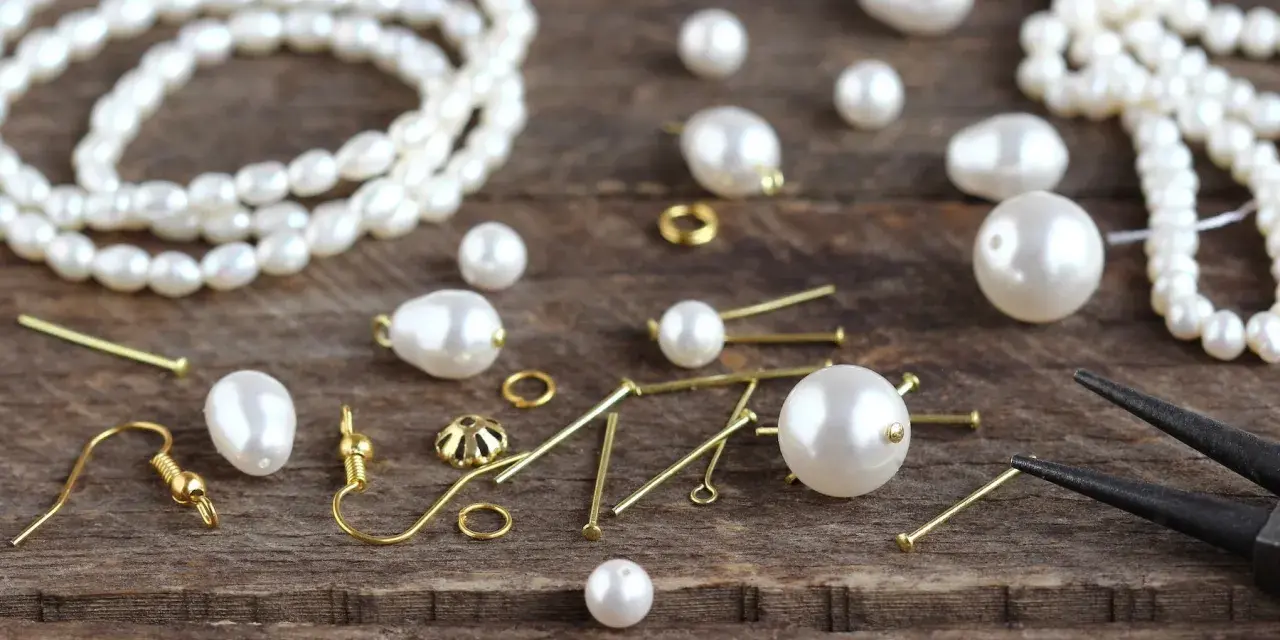
Pearls carry a rare kind of symbolism because they are both made by nature and shaped with human care. To understand cultured pearls meaning, I start with a simple point: the word "cultured" describes how the pearl begins, not whether it is genuine. In this article I explain what cultured pearls are, how they are formed, what they have traditionally symbolised, and how to choose and care for them with confidence.
The essential facts about cultured pearls
- Cultured pearls are real pearls grown inside living molluscs with human assistance.
- Their meaning is tied to patience, transformation, purity, wisdom, and quiet elegance.
- They are not the same as natural pearls, and they are definitely not the same as imitation pearls.
- Different pearl types signal different styles, from classic and formal to dramatic and modern.
- Good care is simple: keep pearls away from harsh chemicals, wipe them after wear, and store them separately.
What cultured pearls actually are
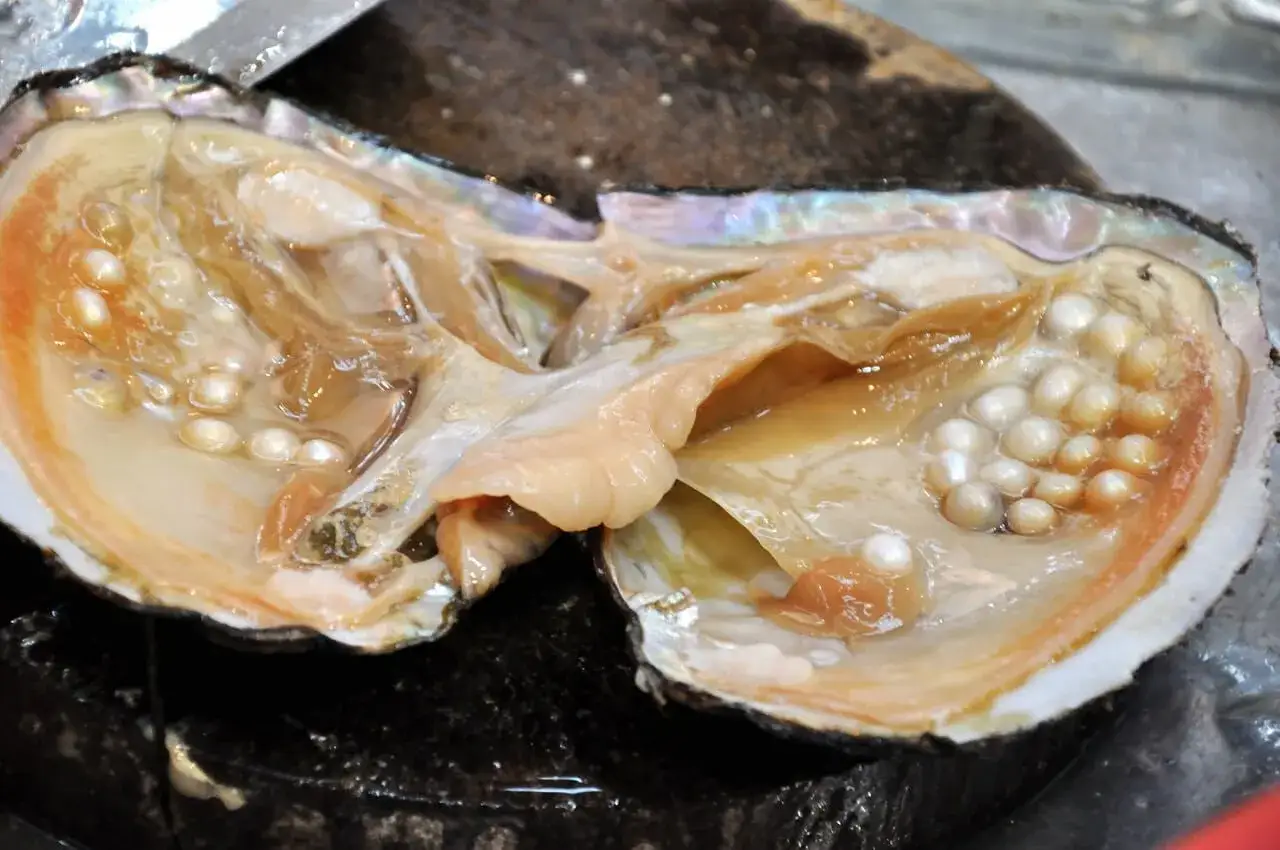
In plain terms, a cultured pearl is a pearl that forms inside an oyster or mussel after a pearl farmer introduces a nucleus or tissue graft. The mollusc then responds in the same way it would respond to an irritant in the wild: it coats the centre with nacre, layer by layer, until a pearl develops. That is why I never treat "cultured" as a synonym for artificial. It describes the process, not a lower grade of authenticity.
That distinction matters because pearl language can be misleading. A cultured pearl is still an organic gem, still shaped by the animal, and still valued for the same qualities people have admired for centuries: lustre, depth, and a kind of restrained glow that no synthetic bead can truly copy. In modern jewellery, cultured pearls are the standard rather than the exception.
Once that is clear, the next question is how the pearl is actually grown.
How cultured pearls are formed
The process is more patient than most people expect. According to GIA, cultured pearls require human intervention and care, but the pearl itself is still built by a living mollusc. That balance between craft and biology is what gives the gem its particular character.
- A small bead or piece of tissue is placed inside the mollusc.
- The mollusc begins covering that centre with nacre, the same lustrous substance that lines the shell.
- Layer after layer builds up over months or years, depending on the species and environment.
- The pearl is harvested only when the size, surface, and lustre are worth keeping.
Different pearl families follow different timelines and produce different looks. Freshwater pearls are often more varied in shape and can be grown in large numbers; Akoya pearls are usually the classic round white pearls many people picture first; Tahitian pearls are prized for dark, dramatic colours; and South Sea pearls are known for size and a soft, satiny glow.
| Type | Typical look | Approximate grow-out time | What it usually suits |
|---|---|---|---|
| Freshwater | Versatile, often softly lustrous, with more shape variety | Varies widely, often around 1 to 3 years | Everyday jewellery, layered looks, accessible gifting |
| Akoya | Round, bright, and highly reflective | About 10 to 18 months | Classic strands, formal wear, bridal jewellery |
| Tahitian | Grey, green, peacock, or black with depth and edge | Often around 18 to 24 months | Statement pieces, contemporary styling, stronger contrast |
| South Sea | Large, creamy or golden, with a soft, luxurious glow | Often 2 to 4 years | Heirloom pieces, special occasions, understated luxury |
The long growth time is part of the appeal. Pearls are not impressive because they are fast; they are impressive because they are slow. That patience is also where much of their symbolism begins.
What pearls have meant in jewellery for centuries
Pearls have carried meanings of purity, wisdom, and calm in many cultures, but the details vary. GIA's history notes that Europe linked pearls with modesty, chastity, and purity, while other traditions connected them with the moon, protection, and life-giving water. I think that lunar association still makes sense today: pearls have a quiet, reflective quality rather than a sharp, flashy one.
In jewellery, that symbolism shows up in the way pearls are worn. A pearl necklace can suggest ceremony without loudness, which is why it has remained strong in bridal dressing, formal occasions, and even moments of remembrance. In the UK, that understated elegance feels especially at home with tailored clothing, silk blouses, and simple evening looks. Pearls do not have to announce themselves to be noticed.
| Colour or tone | Common associations | Style effect |
|---|---|---|
| White or cream | Purity, clarity, new beginnings | Most traditional and versatile |
| Pink or peach | Warmth, affection, softness | Gentler and more romantic |
| Grey, black, or peacock | Confidence, mystery, modernity | More striking and contemporary |
| Golden | Prosperity, richness, radiance | Luxurious and more dramatic |
That is why pearl meaning is never only about the stone itself; it is also about the mood it creates on the body. The next step is knowing which pearl category is actually in front of you.
Cultured, natural and imitation pearls are not interchangeable
This is the part that clears up most confusion. A cultured pearl is a genuine pearl. A natural pearl is also genuine, but it forms without human help and is much rarer. An imitation pearl is a simulated object, usually made from glass, shell, plastic, or another base coated to look pearly.
| Type | How it forms | What it means in practice |
|---|---|---|
| Natural pearl | Forms without human intervention | Rare, historically prized, usually expensive because of scarcity |
| Cultured pearl | Forms with human assistance inside a living mollusc | Genuine pearl, most common choice in modern jewellery |
| Imitation pearl | Man-made decorative object | Can look convincing at a glance, but does not have pearl nacre growth |
For most wearers, the practical distinction is simple: if you want the real material with the living-gem story behind it, cultured is the relevant category. If you want rarity for its own sake, natural pearls are the historical outlier. If you want surface shine only, imitation may mimic the look, but it does not carry the same substance or value. From there, choosing the right pearl is mostly about occasion, proportion, and personality.
How I choose the right pearl for the moment
When I help someone think through pearl jewellery, I rarely start with size alone. I start with the setting in which the piece will actually be worn. Pearls work differently in a boardroom, at a wedding, and in everyday rotation, and the right answer depends on that context.
| Occasion | Best fit | Why it works |
|---|---|---|
| Bridal or formal wear | Akoya or well-matched white freshwater pearls | They read as polished, traditional, and balanced |
| Everyday use | Smaller freshwater studs or short strands | Easy to wear, less precious-feeling, still elegant |
| Contemporary styling | Tahitian or baroque pearls | They bring contrast, depth, and a more individual look |
| Heirloom gifting | South Sea or high-lustre classic strands | The scale and finish feel substantial and lasting |
For me, the best pearl is the one that matches the wearer’s style without looking overworked. In British dressing, that often means restraint: pearls can sharpen a blazer, soften a knit, or finish a dress without making the outfit feel overstyled. A useful rule is to choose the pearl that looks calm on the skin, not the one that shouts the loudest.
If you are judging quality, I would look first at lustre, surface, nacre thickness, shape, and matching. Lustre is the sharpness of reflection on the pearl’s surface; nacre is the layered material that gives the gem depth and durability. Strong lustre and a clean surface usually matter more than chasing an oversized pearl with little life in its finish.
- Lustre should look bright, deep, and almost glowing from within.
- Surface quality matters because blemishes are easier to notice on pearls than on many other gems.
- Nacre thickness affects durability and the depth of the sheen.
- Matching is especially important in strands and earrings.
- Shape changes the mood, from classical round pearls to more characterful baroque forms.
Once you know how to choose them, the remaining job is protecting the surface that gives pearls their character.
Caring for pearls without damaging them
Pearls are more delicate than diamonds or sapphires, but they are not fragile in a useless way. They just need cleaner habits. GIA recommends wiping cultured pearls with a very soft cloth after wearing them, avoiding ultrasonic and steam cleaners, and keeping them away from harsh chemicals. That is the practical version of pearl respect: wear them, enjoy them, then put them away properly.
- Put pearls on last, after perfume, hairspray, lotion, and makeup.
- Take them off first, before you change clothing or clean up at the end of the day.
- Wipe them gently after wear to remove skin oils and residue.
- Store them in a soft pouch or separate compartment so they do not scratch harder jewellery.
- Keep strung pearls dry and check the thread if the strand begins to loosen or fray.
I also avoid treating pearls like sealed stones that can survive anything. They are organic gems, and their finish can dull if you expose them to the wrong products over time. The easiest way to keep them beautiful is simply to make pearl care part of the routine rather than an afterthought. That habit is what preserves both the look and the meaning.
The details that make a cultured pearl feel heirloom-worthy
When a cultured pearl really works, I notice that the craftsmanship never overwhelms the gem. The pearl feels balanced rather than busy, luminous rather than glossy, and distinctive without becoming precious in a stiff way. That is the point where symbolism and style meet. The pearl is no longer just a gemstone with history attached; it becomes a piece that can hold memory.
If I were choosing one with long-term value in mind, I would prioritise lustre first, then surface, then proportion. A slightly less perfect shape can still be charming if the glow is there. A large pearl with weak lustre rarely feels as satisfying as a smaller one with depth and life. That is the quiet truth behind cultured pearl jewellery: the most lasting pieces are usually the ones that feel composed, not overdone.
When those details line up, a cultured pearl stops feeling like a decorative accessory and starts feeling like a record of patience, craft, and restraint. That is the part of its meaning that never really dates.