A promise ring is a small piece of jewellery with a very specific job: it marks a commitment that matters, without pretending to be an engagement. That makes it useful in relationships where two people want something visible and meaningful, but not yet a formal proposal. In this article, I explain what a promise ring is in practical terms, how it differs from other rings, how to choose one in the UK, and where people most often misread its message.
The essentials at a glance
- A promise ring usually symbolises commitment, loyalty, exclusivity, or a private vow between two people.
- It is not the same as an engagement ring, and it should not be used to imply marriage unless that is clearly agreed.
- The design matters: hearts, knots, infinity motifs, birthstones, and engraving all strengthen the message.
- In the UK, I would check the hallmark on precious-metal rings and choose a size and metal that can handle everyday wear.
- The strongest promise rings are clear, modest, and personal rather than flashy or ambiguous.
The meaning behind a promise ring
At its best, a promise ring is a visible shorthand for an agreed promise. That promise can be romantic, but it does not have to be a promise to marry. In practice, it often means loyalty, exclusivity, patience, long-distance commitment, or a personal vow that the wearer wants to keep close.
I like that the meaning is flexible, because jewellery symbolism works best when it fits the relationship rather than forcing a script. The modern label is fairly recent, but the idea behind it is older: people have long used rings to mark private intentions, not just public milestones.
- Romantic commitment, when two people want to signal that the relationship is serious.
- Long-distance loyalty, where the ring acts as a reminder that the relationship is still active and intentional.
- A step before engagement, when a couple is committed but not ready for a proposal.
- A personal vow, such as a promise to oneself, a value, or a life change that deserves a symbol.
The ring only works when the promise is clear. If the meaning is vague, the jewellery becomes pretty but unconvincing, which is exactly the opposite of what this piece is meant to do. That clarity matters even more once you compare it with other symbolic rings.
How it differs from an engagement ring and an eternity ring
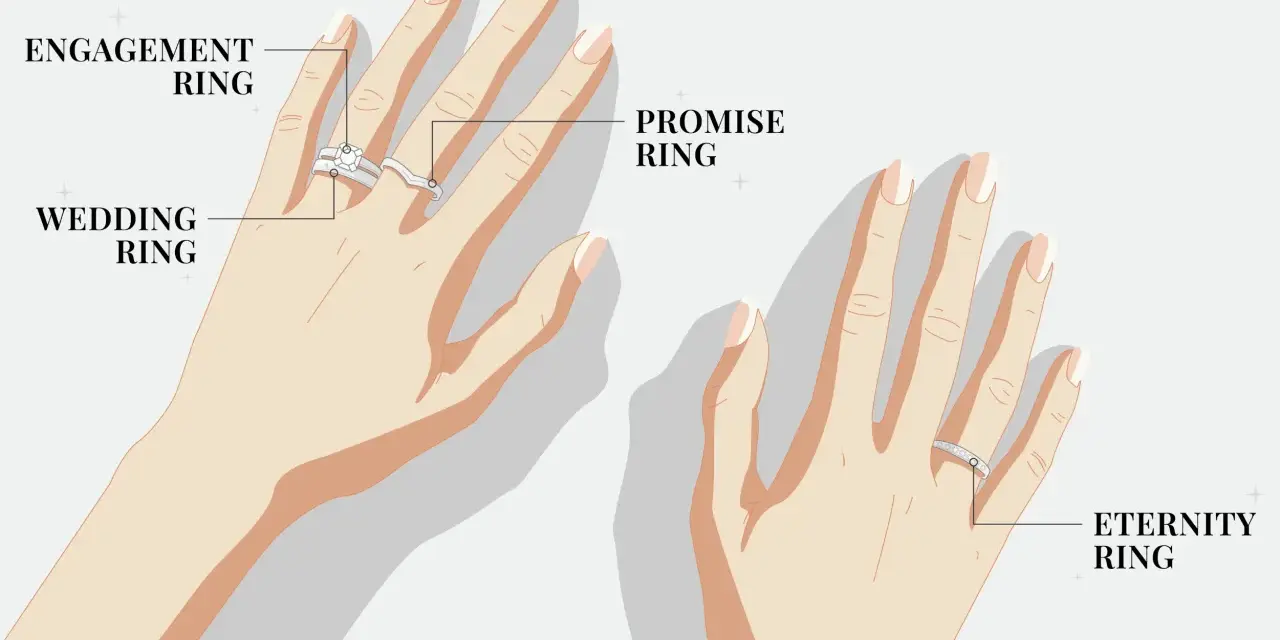
People often confuse these rings because all three carry emotional weight, but they do not send the same message. A promise ring is usually about intention; an engagement ring is about a decision to marry; an eternity ring marks continuity, usually after a relationship milestone already exists.
| Ring type | What it usually means | Typical timing | What it does not mean |
|---|---|---|---|
| Promise ring | Commitment, loyalty, or a private vow | Before engagement, or outside a marriage timeline | A formal proposal unless both people say so |
| Engagement ring | A promise to marry | At the moment of a proposal | Just a vague romantic gift |
| Eternity ring | Lasting love, continuity, or a shared milestone | Anniversary, childbirth, or another major life stage | A pre-engagement token |
For me, the safest approach is to match the design to the promise, not to borrow the language of engagement unless that is genuinely what you mean. Once that line is clear, the next question becomes when a promise ring actually makes sense.
When giving one makes sense
The best use cases are practical rather than theatrical. A promise ring makes sense when the relationship has real substance, but the couple is not yet at the engagement stage, or does not want that stage at all.
- Before engagement, when two people want to acknowledge seriousness without setting a wedding date.
- Long-distance relationships, where a ring can act as a daily reminder of the commitment.
- Younger couples, who may not be ready for engagement but still want something meaningful.
- Personal milestones, such as a promise to stay sober, to finish a course, or to honour a new chapter in life.
- Matching couple rings, when both people want a shared symbol that feels private rather than formal.
I would be cautious if one person assumes the ring means marriage and the other thinks it is only a sentimental gift. That mismatch creates disappointment fast. The promise itself is more important than the ring, and the ring should never be used to avoid a difficult conversation.
Once the meaning is settled, the design becomes the part that gives the promise a face. That is where symbolism starts to do the real work.
Which details make the symbolism clearer
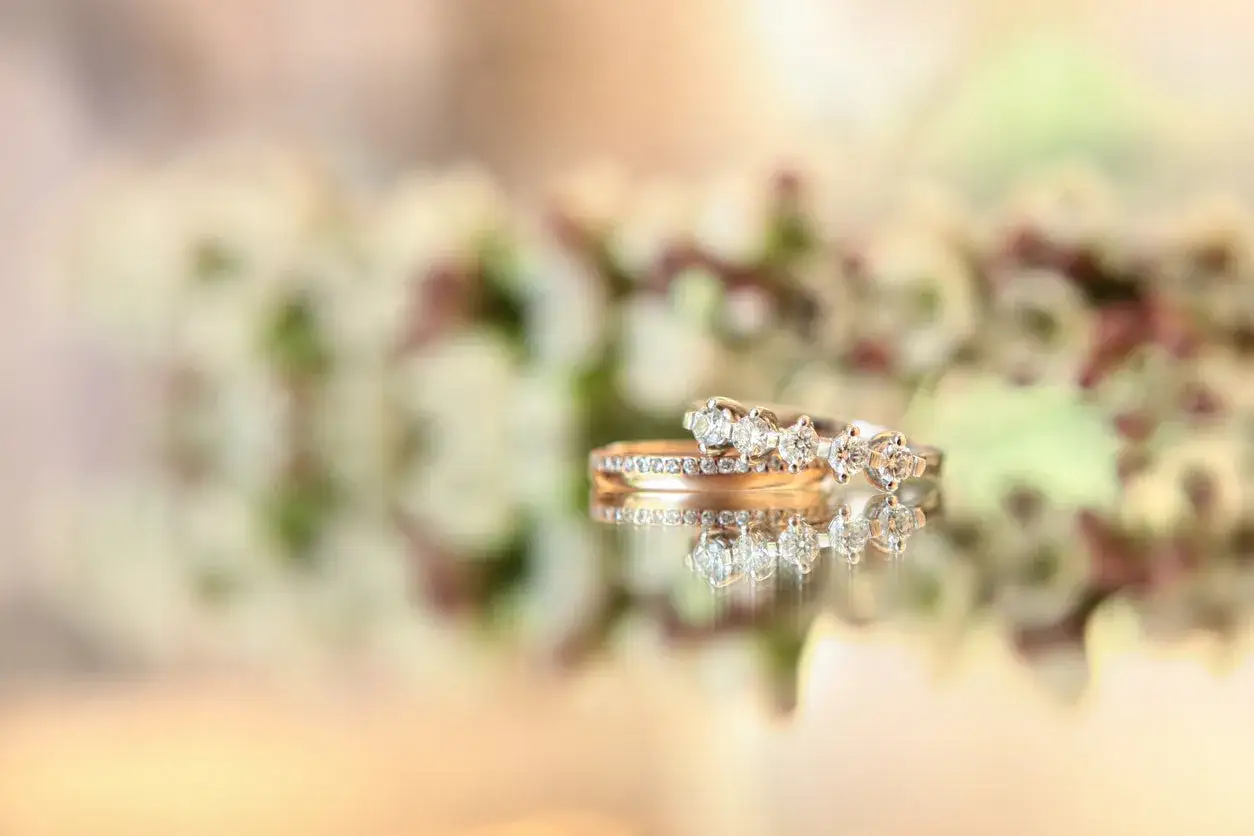
The best promise rings do not rely on size or sparkle to explain themselves. They use shape, metal, stone, and engraving to make the meaning easier to read. I usually think of this as symbolism in layers: the ring should look good first, but it should also say something specific.
- Hearts signal romance directly, so they are useful when the message is affectionate and open.
- Infinity motifs suggest continuity and endurance, which suits a long-term commitment.
- Knots or interlocking bands feel stronger and more permanent, almost like a visual contract.
- Birthstones make the ring personal, especially when the stone connects to a birthday or private memory.
- Engraving is the clearest option of all, because initials, dates, or a short line make the promise unmistakable.
Metal choice changes the tone as well. Yellow gold feels traditional and warm, white metals feel quieter and more modern, and rose gold brings a softer, more intimate mood. If the promise is deeply personal, I often find a simpler design more effective than a heavily decorated one.
In the UK, a hallmark is worth checking if you buy precious metals. It is the tiny official stamp inside the band that shows the metal purity, and it is one of the quickest ways to confirm you are not paying precious-metal prices for a decorative finish. That leads neatly into the practical part of choosing the ring.
How I would choose one in the UK
If I were choosing a promise ring for everyday wear in the UK, I would start with the wearer’s lifestyle, then the symbolism, then the budget. A ring that catches on knitwear, scratches easily, or feels too precious to wear daily usually becomes a drawer piece, which defeats the point.As a rough guide, I would usually expect the following price bands in the UK market:
- £30 to £120 for simple silver, plated, or cubic zirconia designs.
- £120 to £350 for better sterling silver, stronger settings, and small gemstones.
- £250 to £800 for 9ct gold, which is often a sensible middle ground for daily wear.
- £800+ for 18ct gold, diamonds, or bespoke work.
Those are broad retail ranges rather than rules, and the right budget depends on the purpose of the ring. If the promise is the point, I would rather buy a well-made modest ring than overspend on a piece that does not suit the wearer’s life. I would also check whether the design can be resized, because intricate pavé settings, which are bands set with many small stones, are harder to alter cleanly later on.
For ring size, comfort matters more than a dramatic presentation. If the ring is meant to be worn often, it should sit securely without pinching, especially if the wearer works with their hands or lives an active life. A beautiful ring that cannot be worn properly is a bad promise in practical terms.
How to wear it and look after it
There is no universal rule for which hand a promise ring should sit on. In the UK, many people wear it on the ring finger of either hand, but plenty choose the middle finger or switch hands once the relationship changes. The only rule that matters is whether the placement matches the message you want to send.
If the ring is meant to stay private, I would avoid a very bridal silhouette and lean toward something restrained. If it is meant to be seen, then the styling can be more obvious. Either way, consistency helps. A promise ring should look intentional, not accidental.
- Remove it for gym sessions, heavy cleaning, swimming, and gardening.
- Clean it gently with warm water, mild soap, and a soft cloth.
- Store silver separately, because it tarnishes more quickly when left with other pieces.
- Watch for worn plating on gold-plated or rhodium-plated rings, because the finish can fade with frequent use.
- Check stone settings now and then if the ring has prongs, especially on daily-wear pieces.
I am also careful with mixed-metal styling. It can look good, but only if the whole look feels deliberate. A promise ring should not seem like a random add-on, because its symbolism depends on being read clearly.
The mistakes that blur the message
The most common mistake is treating a promise ring like a smaller engagement ring without saying so. That creates a symbolic mismatch, and people usually feel it immediately. The second mistake is choosing a design that is so generic it could mean anything, which weakens the point of giving the ring at all.
- Using it as a substitute for a conversation, rather than as a visible sign of one.
- Buying something too close to an engagement style, which can create false expectations.
- Choosing a ring that is too fragile for daily wear, especially if it is meant to live on the hand.
- Spending far more than the promise warrants, which can distort the meaning and add pressure.
- Ignoring the wearer’s taste, then expecting sentiment alone to carry the piece.
My honest view is that the strongest promise rings are often the least noisy ones. They look thoughtful, not performative. They say one thing cleanly, and they keep saying it every time the wearer glances down at their hand.
The clearest promise rings say one thing well
A promise ring works when the promise is specific, mutual, and realistic. It is not a watered-down engagement ring, and it should not be forced into that role. When it is used well, it becomes a compact symbol of trust, patience, or commitment that feels personal rather than ceremonial.
If I were narrowing the whole topic down to one rule, it would be this: choose a ring that matches the promise, not the fantasy around it. The clearer the meaning, the longer the jewellery will feel relevant. That is the difference between a decorative ring and one that genuinely carries weight.
For a piece this symbolic, the best test is simple: if you can explain the promise in one sentence and the ring still feels right, you have probably chosen well.