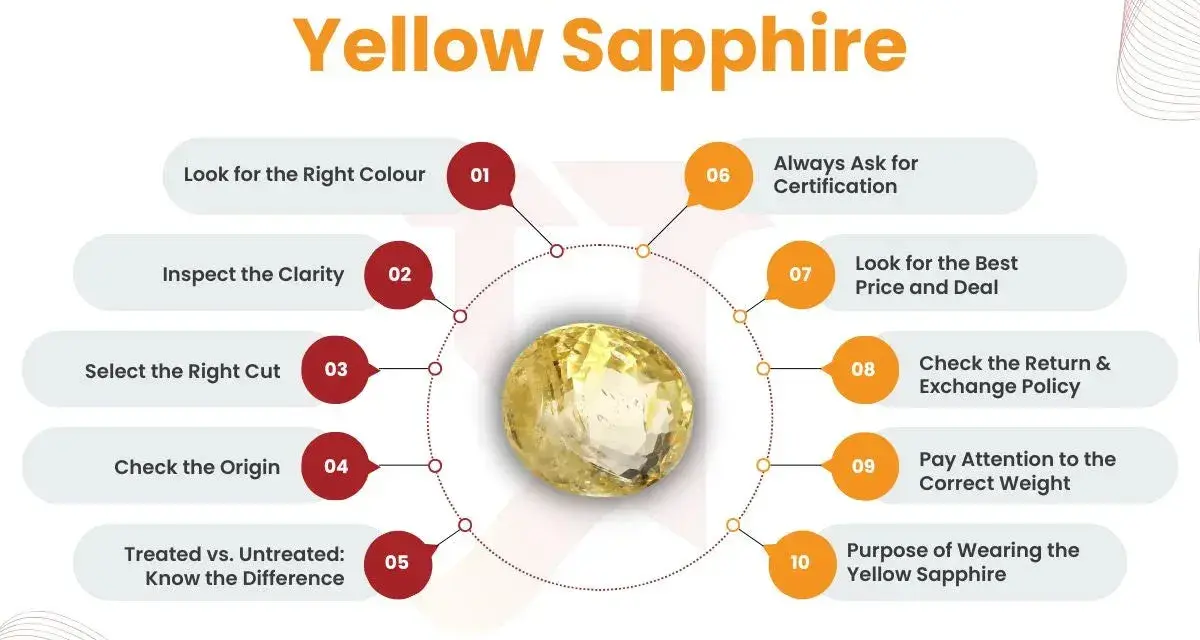
Yellow sapphire brings together colour, symbolism and practical wearability in a way few stones do. The appeal of yellow sapphire benefits is not just romantic lore; it is the mix of warmth, optimism and real durability that makes the stone work in rings, pendants and heirloom pieces. For a British jewellery lover, that balance matters: it feels polished, but it still has personality. In what follows, I look at the stone’s meaning, the advantages that genuinely matter, and how to choose a piece that looks rich rather than flat.
The stone’s appeal comes from meaning, durability and easy styling
- Yellow sapphire belongs to the sapphire family, so it inherits the toughness that makes sapphire useful in jewellery worn often.
- Its colour is usually read as sunshine, wisdom, prosperity and fresh starts rather than cool restraint.
- It suits daily wear far better than softer yellow gems, especially in rings.
- Cut, saturation and metal colour change the whole mood more than many buyers expect.
- Heat treatment is common; disclosure matters more than myth.
- Compared with citrine and yellow diamond, it sits in a useful middle ground of beauty, longevity and price.
Why yellow sapphire carries strong symbolism
What I find most interesting is that yellow sapphire carries two symbolic messages at once. Sapphire itself has long stood for nobility, truth, sincerity and faithfulness, while the yellow hue adds a more uplifting reading: sunlight, clarity, optimism and, in some traditions, prosperity. GIA notes that sapphire has been tied to royalty and romance for centuries, and that history still gives the stone a quiet authority in modern jewellery. For many people, that makes a yellow sapphire feel less like a trend piece and more like a small statement of intent.
There is also a cultural layer worth respecting. In South Asian astrological traditions, yellow sapphire is often linked with Jupiter and with wisdom, growth and good fortune. I would treat that as a belief system rather than a universal fact, but it explains why the stone is chosen for milestones, not just style. In the UK, that makes it a thoughtful gift stone as well as a beautiful one, especially when you want something warmer than a classic white gem.
That symbolic layer is only half the story, though; the stone also has practical strengths that matter in everyday wear.
The practical advantages that matter in real jewellery
The practical case for yellow sapphire is stronger than many people expect. Sapphire is a corundum mineral, and it ranks 9 on the Mohs hardness scale, which puts it among the hardest gemstones used in jewellery. It is also tough, meaning it resists chipping better than many coloured stones. That is why it works so well in engagement rings, dress rings and other pieces that are worn regularly rather than stored away.
- For rings: it handles daily wear far better than softer yellow gems.
- For pendants: it gives you a bright colour without needing constant caution.
- For earrings: the hue reads clearly even in smaller stones, so you do not need an oversized gem to get the effect.
- For heirloom pieces: the stone’s durability helps it survive long-term use when the setting is maintained properly.
That durability does not mean indestructible, of course, but it does mean yellow sapphire is one of the rare coloured stones I would feel comfortable recommending for real life rather than only special occasions. Once you start styling it, the cut and metal can change the mood more than many people expect.
How colour and metal change the whole mood
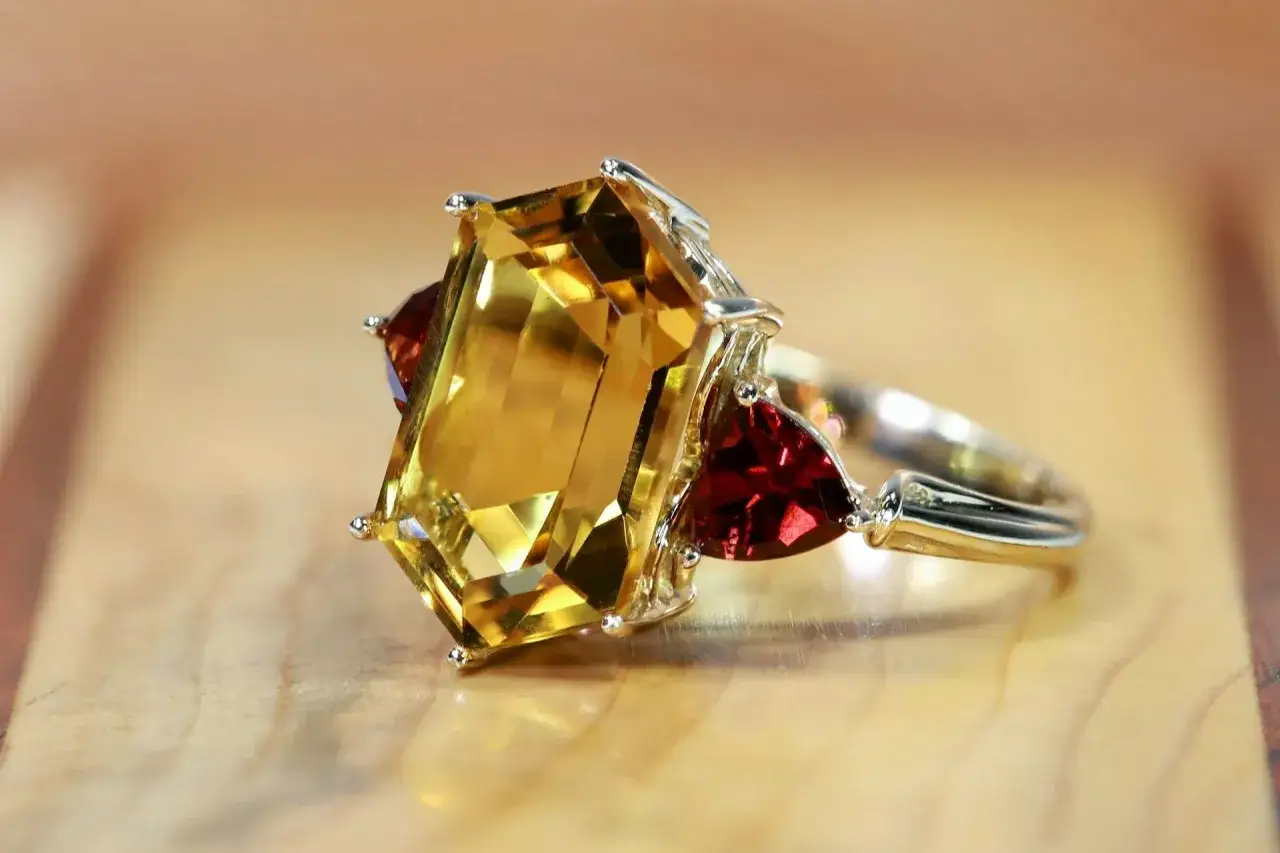
A yellow sapphire can read as delicate, golden, honeyed or almost regal depending on the stone’s tone and the metal around it. GIA describes yellow sapphires as ranging from light greenish yellow to orangy yellow, and the most desirable stones usually show vivid saturation rather than a washed-out tint. That means colour is not just a detail; it is the thing that decides whether the stone feels subtle or luminous.
The metals that amplify its mood
Yellow gold deepens the warmth and gives the stone a classic, seamless look. White gold or platinum does the opposite: it sharpens the contrast and lets the yellow colour stand on its own. If the stone is pale, I usually prefer a white metal because it stops the gem from disappearing. If the stone is richly coloured, yellow gold can make it feel almost ceremonial.
The cuts that show colour best
- Oval and cushion cuts often make yellow sapphire look fuller and softer, which suits romantic or vintage-inspired jewellery.
- Round cuts feel familiar and balanced, especially in smaller rings and studs.
- Emerald cuts create a cleaner, more architectural look, but they suit well-saturated stones best because pale material can look sparse in a step cut.
For a buyer in the UK who wants jewellery that feels elegant rather than loud, this is where the stone really earns its place. The next question is whether it actually compares well with the other yellow gems people often consider.
How it compares with citrine and yellow diamond
People often compare yellow sapphire with citrine and yellow diamond because all three can deliver a warm golden look. They do not, however, offer the same experience, and the differences matter if you want the piece to be worn often.
| Gemstone | Main impression | Everyday durability | Best for |
|---|---|---|---|
| Yellow sapphire | Refined, sunny, symbolic, slightly formal | Excellent for daily wear | Engagement rings, heirlooms, meaningful gifts |
| Citrine | Bright, approachable, easygoing | Moderate; softer and easier to mark | Pendants, earrings, occasional rings |
| Yellow diamond | Luxurious, high-impact, highly prestigious | Excellent, but usually far more expensive | Statement jewellery, high-value investment pieces |
My practical read is simple: citrine gives you sunny colour, yellow diamond gives you status and sparkle, and yellow sapphire gives you a middle ground that is often more wearable than either. If you want a stone that feels considered rather than obvious, that middle ground is often exactly where the best choice sits. Before buying, though, the quality details matter more than the label on the tray.
What to check before you buy
The stone’s value is shaped by the same quality factors that matter across the sapphire family: colour, cut, clarity and any treatment. I would put colour first. A good yellow sapphire should look lively, not muddy. You want enough saturation to see the hue clearly, but not so much darkness that the gem loses brightness. In practice, the sweet spot is usually vivid yellow to orangy yellow with a tone that still lets light through.
- Ask about treatment: heat treatment is common and generally accepted, but you should know whether the stone is heat-treated, diffusion-treated, fracture-filled or dyed.
- Look at the cut: a smart cut can make a moderate stone look richer than a poorly cut stone with stronger colour.
- Check the setting: a secure setting matters more than many buyers think, especially for rings worn daily.
- Ask for disclosure: a reputable seller should be clear about origin, treatment and any lab report available.
The biggest mistake I see is people assuming that all yellow sapphires are interchangeable. They are not. A pale, poorly cut stone in a weak setting will never give you the same experience as a vivid stone with a clean report and a thoughtful mount. Once that is clear, care becomes pleasantly straightforward.
How to keep the colour bright for years
Caring for yellow sapphire is refreshingly simple if the stone is untreated or only heat-treated. GIA notes that sapphire is stable under normal wearing conditions and has excellent toughness, which is why it is so well suited to rings. For routine cleaning, I would stick to warm water, a mild soap and a soft brush. That is enough to remove everyday build-up without stressing the stone.
If the stone has been fracture-filled, cavity-filled or dyed, the rules change. Those material types need gentler handling because harsh chemicals, steam and ultrasonic cleaning can cause damage. I would also store yellow sapphire separately from harder gems, not because it is fragile, but because scratches usually come from contact with other jewellery rather than from wear alone. A quick check of the claws or bezel once in a while is worth more than most people realise.
In other words, the stone is easy to live with, but only if you respect the treatment and the setting. That leads neatly to the version of the stone I would choose if I wanted both symbolism and usefulness in one piece.
The version of yellow sapphire I would choose for a lasting piece
If I were choosing one for a ring or a meaningful gift, I would aim for a vivid yellow to orangy yellow stone with enough saturation to feel warm, not brassy. I would favour an oval or cushion cut for softness, then decide on the metal based on the effect I wanted: white metal for contrast, yellow gold for a richer, more traditional mood. For a modern UK jewellery wardrobe, that combination tends to feel polished without becoming predictable.
That is ultimately why yellow sapphire remains relevant. It has a clear visual identity, a deep symbolic history and the toughness to live in real jewellery instead of staying in a drawer. If you want a gem that says something about warmth, confidence and staying power, this one does the job with very little fuss.