Diamond buying gets murky when the word “real” is doing too much work. A stone can be genuine diamond material and still be lab-grown, or it can be a lookalike that is not diamond at all. In this article I separate those categories, explain how Brilliant Earth labels its stones, and show what I would check before paying for one from the UK.
Brilliant Earth sells genuine diamonds, but the type matters
- Natural diamonds are mined from the earth; lab-grown diamonds are also real diamonds, just created in controlled conditions.
- The main authenticity risk is confusing either of those with a simulant such as cubic zirconia or moissanite.
- The best proof is a grading report, a matching report number, and a clear origin label.
- For UK buyers, the final landed price and delivery terms matter, but they do not tell you whether the stone is genuine.
- Once authenticity is settled, the next decision is quality: cut, colour, clarity, carat, and the setting.
What Brilliant Earth actually sells
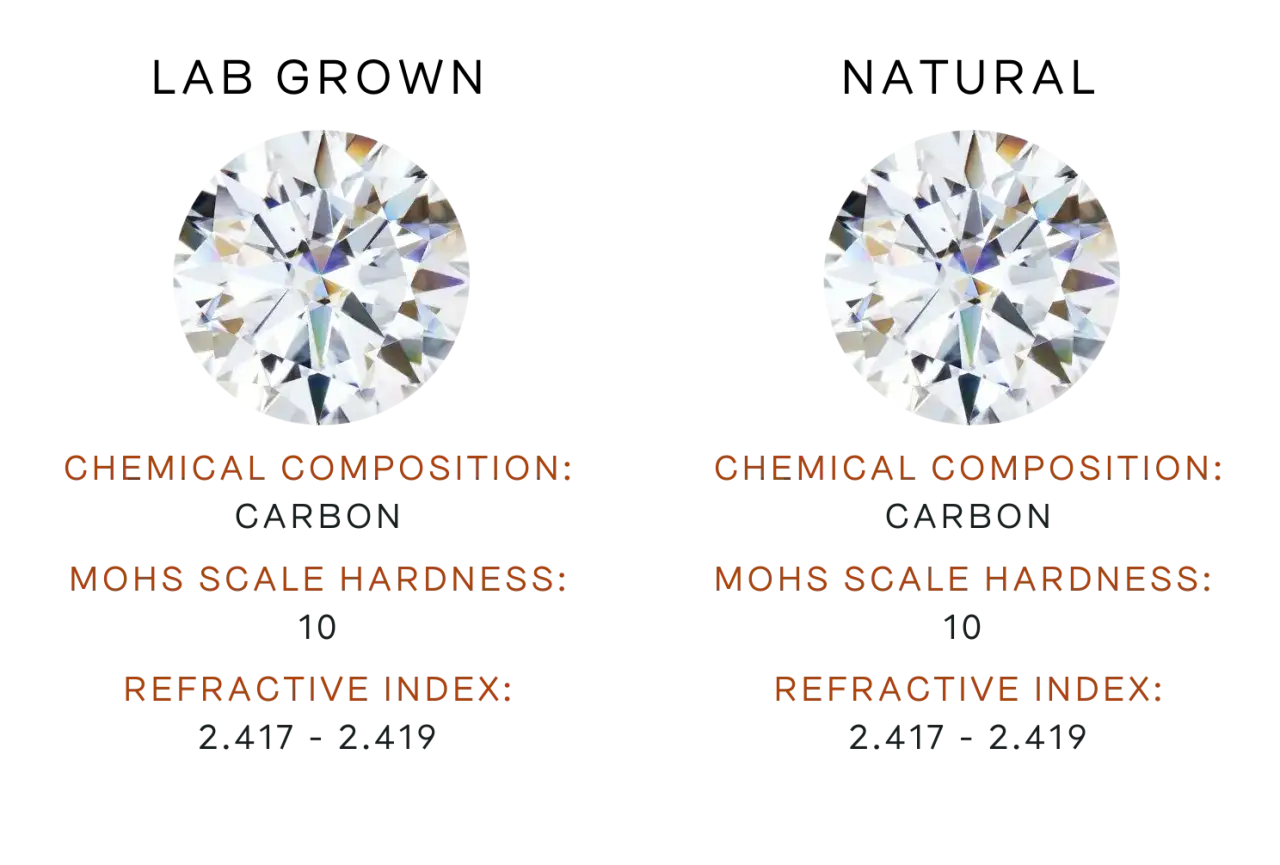
Brilliant Earth sells both natural diamonds and lab-grown diamonds, and that distinction is the heart of the question. Natural stones are mined from the earth; lab-grown stones are created in controlled conditions, but they are still diamond because they share the same carbon structure, hardness, sparkle, and overall appearance.
When I look at a diamond listing, I do not stop at the word “real”. I ask real in what sense? A lab-grown diamond is real diamond material, while a simulant such as cubic zirconia is not. That difference affects price, resale expectations, and the emotional story attached to the stone.So the brand’s job is not just to say “diamond”; it needs to tell you which kind. Once that is clear, the next question is how to separate a genuine diamond from a convincing imitation.
Natural, lab-grown and simulant are not the same
The biggest source of confusion is that three very different products can all sit inside the same shopping journey: mined diamonds, lab-grown diamonds, and diamond simulants. Only the first two are diamonds.
| Type | What it is | Is it a real diamond? | What I would check |
|---|---|---|---|
| Natural diamond | Mined from the earth over billions of years | Yes | A grading report, origin details, and matching stone markings |
| Lab-grown diamond | Grown in a laboratory using HPHT or CVD methods | Yes | Clear lab-grown disclosure and a report that states the origin |
| Diamond simulant | Materials such as cubic zirconia or moissanite that only imitate diamond | No | Clear disclosure, because the appearance alone is not enough |
I would not trust the naked eye here. A well-cut lab-grown diamond can look indistinguishable from a mined diamond, and simple diamond testers are not enough to tell origin. They may confirm that a stone behaves like diamond, but they do not reliably tell you whether it formed underground or in a laboratory.
That is why the paperwork matters more than the slogan. Once you understand the categories, the documents become the real trust signal.
How I would check the paper trail on a purchase
Brilliant Earth says its diamond listings come with certificates or grading reports from independent gemological labs, and that is the part I would lean on first. A proper report should match the stone you receive, list the 4 Cs, and clearly state whether the diamond is natural or lab-grown.
- Check the product description for a clear origin label.
- Open the grading report and confirm the report number.
- Look for a laser inscription on the girdle if the report mentions one.
- Make sure the seller discloses weight, cut, colour, clarity, and any treatments.
- Save the paperwork for insurance and any future resale question.
The habit I rely on is simple: match the description, the report, and the stone itself. If one of those does not line up, I stop and ask for clarification before I pay.
That also helps you separate genuine diamond quality from the brand’s wider ethical story, which is a different conversation altogether.
Why ethics and authenticity are different questions
Brilliant Earth puts a lot of emphasis on ethical sourcing, and that is useful, but it is not the same thing as authenticity. A stone can be responsibly sourced and still be natural, or it can be lab-grown and still be a real diamond. The sourcing story changes the origin narrative, not the underlying material.
This is where I see buyers blur the lines. A brand can be careful about labour standards, traceability, and environmental impact without changing the fact that it sells both mined and lab-grown stones. That is a strength if you care about transparency, but it does not replace the need to read the listing carefully.
For buyers who care most about sustainability, lab-grown diamonds often make the decision easier because they avoid mining altogether. For buyers who care most about geological rarity, a mined diamond may still feel more meaningful. Neither preference makes the other choice fake.
With that cleared up, the next practical issue is the buying process itself, especially if you are ordering into the UK.
What a UK buyer should check before ordering
Buying from the UK adds a few practical details that have nothing to do with whether the diamond is real, but everything to do with whether the purchase feels smooth. I would check the final price in GBP, delivery timing, return window, and whether any import charges or courier fees are included before I compare stones on price alone.
- Confirm whether the listing is natural or lab-grown.
- Check the full landed cost, not just the headline price.
- Read the return policy carefully if the ring is being shipped internationally.
- Ask for the grading report in advance if you want to verify the stone before it arrives.
- Make sure insurance paperwork will be easy to obtain after purchase.
One practical point I would never ignore: a lower price on a lab-grown diamond can be completely honest, but a very low price without a report is a red flag. The paperwork matters more than the discount.
Once authenticity is settled, the real decision becomes about value, not doubt.
What I would prioritise after authenticity is settled
After authenticity, I would judge the stone by cut first, then colour and clarity, and finally by how the setting frames the diamond. A well-cut diamond can look more lively than a larger stone with weaker proportions, and that is true for both natural and lab-grown diamonds.
If I were buying for myself, I would keep the decision simple. Pick the diamond type that fits your values, insist on a grading report, and let the 4 Cs do the rest of the work. That approach keeps you from paying for a story when what you really need is a stone, a certificate, and a clear return policy.
So the answer is straightforward: Brilliant Earth does sell real diamonds, but your job as the buyer is to confirm whether you are looking at a natural diamond or a lab-grown one, and to make sure the paperwork matches the piece in the box.