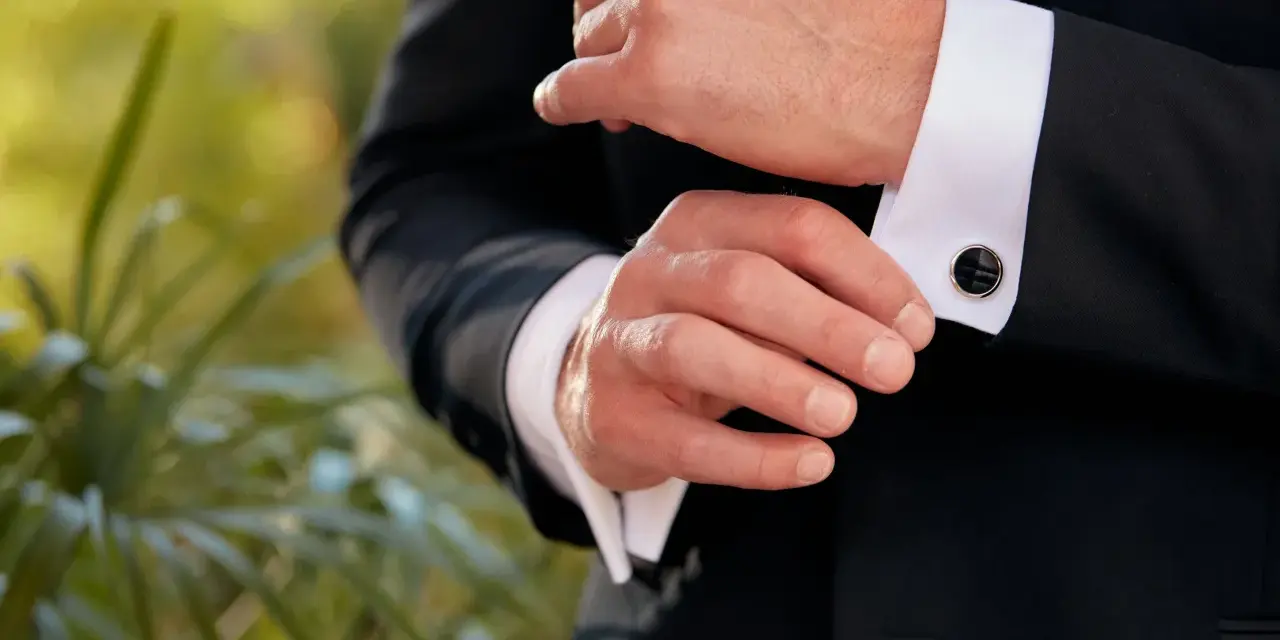
Cufflinks do more than hold a sleeve together; they set the tone for the whole shirt. There are several types of cufflinks, and the best choice depends on the cuff construction, the occasion, and how much shine or texture you want at the wrist. In British dressing, that distinction matters because the same pair can look understated in a boardroom and underdone at black tie. This guide breaks down the main styles, how they differ, and what I would actually reach for in real life.
What matters most when choosing cufflinks
- The fastening changes the feel. Some styles are quick and secure, while others are more traditional and decorative.
- Formality comes first. Black tie, business wear, weddings, and smart-casual outfits do not call for the same finish.
- Material changes the mood. Silver, gold, enamel, mother-of-pearl, and silk all read differently on the cuff.
- Scale matters. A neat pair can elevate a shirt; an oversized pair can make the wrist look cluttered.
- One good everyday pair goes far. You do not need a huge collection to look well dressed.
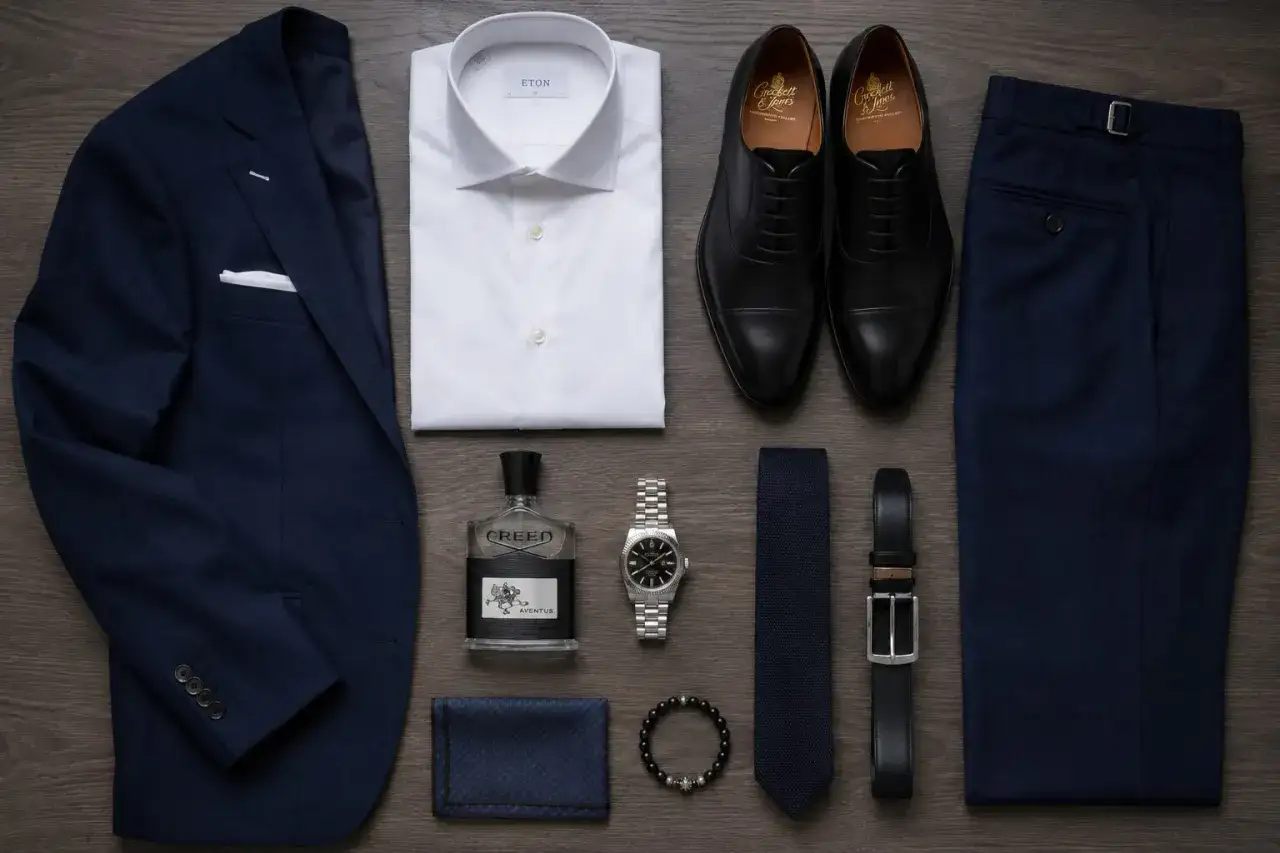
The main types of cufflinks explained
I usually start with the fastening, because it tells me how the cufflink will wear in practice, not just how it looks in a product photo. Once you understand the mechanism, the style choices become much easier to judge.
| Style | How it works | Style impression | Best for | Watch-outs |
|---|---|---|---|---|
| Whale back | A hinged back flips flat to lock the post in place. | Clean, familiar, and easy to wear. | Everyday dress shirts, office wear, weddings. | Can look too plain if the front is tiny or the metal is very basic. |
| Bullet back | A small cylindrical toggle turns to secure the cuff. | Compact and slightly more refined than whale back. | Business looks and understated formal wear. | Still a practical fastening, so it will not deliver much drama on its own. |
| Fixed back | The front and back are joined with no moving hinge. | Traditional and elegant. | Formal outfits and collectors who value a classic finish. | Less forgiving when you are in a hurry and a bit more limited in comfort. |
| Chain link | Two decorative ends are connected by a short chain. | Old-world, relaxed, and slightly more expressive. | Evening wear, vintage-inspired outfits, and softer tailoring. | Feels looser on the wrist, so it suits the aesthetic more than the convenience. |
| Ball return | A decorative front pairs with a rounded back element. | Weighty, polished, and often quite luxurious. | Formal dressing and richer metal finishes. | Can be heavier than expected, especially in solid metal versions. |
| Silk knot | Two woven fabric knots replace the metal mechanism. | Casual, colourful, and intentionally relaxed. | Smart-casual shirts, lighter tailoring, and low-key events. | They are softer and less formal, so they need the right outfit around them. |
The important thing is not memorising every label; it is recognising that each fastening signals a different level of polish. That is why the next question is never just “what looks nice?” but “what fits the dress code and the shirt?”
How the right pair changes with the occasion
For black tie in the UK, I keep things strict. British GQ notes that the shirt should be double-cuffed and require cufflinks, while Savile Row Company recommends classic cufflinks and, for the most formal shirts, dress studs. That is the right instinct: at the sharpest end of formalwear, restraint usually looks better than personality.
- Black tie. Choose small, polished pieces in silver, white, black, onyx, or mother-of-pearl. Fixed back or neatly finished whale back cufflinks are usually the safest options.
- Business wear. Bullet back and whale back styles work well here because they are easy to wear and do not distract from the shirt or tie. Brushed metal, rhodium, and subtle engraving are all sensible.
- Weddings. This is where a little more character can work. A groom or guest can use a stronger finish, a coloured enamel detail, or a personal engraving without crossing into novelty.
- Smart-casual. Silk knots and chain links can look good with relaxed tailoring, but they need space around them. If the rest of the outfit is already loud, they will look messy rather than interesting.
I think that is the main style rule most people miss: cufflinks should support the outfit, not compete with it. Once the occasion is right, the material does the rest of the work.
Materials and finishes that change the mood
Two cufflinks can share the same shape and still read completely differently because of the material. This is where jewellery style starts to matter as much as fastening.
- Sterling silver. The most versatile choice for me. It works with business tailoring, formal shirts, and most watch metals, and it has enough weight to feel properly made.
- Rhodium-plated metal. Bright, hard-wearing, and close in appearance to polished silver. It is a practical option if you want shine with less visible tarnish over time.
- Gold. Warmer and more expressive. Gold cufflinks work best when the rest of the outfit already leans warm, such as a gold watch case or cream shirt tones.
- Mother-of-pearl. Soft, luminous, and very effective for black tie or wedding wear. It gives formality without shouting for attention.
- Enamel. Useful when you want colour but still want structure. I like enamel when the shirt is simple and the cufflinks are meant to do the visual work.
- Silk. Relaxed and slightly playful. Silk knots are not trying to imitate precious metal; that honesty is why they work in more casual settings.
If you want the cleanest look, keep the finish consistent with the rest of your jewellery and hardware. That does not mean every metal must match perfectly, but it does mean the wrist should feel intentional rather than assembled at random.
How to match cufflinks with the shirt, watch, and other jewellery
A cufflink only looks right when the shirt and the rest of the accessories are doing their part. I always check three things first: the cuff style, the scale, and the metal tone.
- Match the cuff construction. Double cuffs are the natural home for cufflinks. Convertible cuffs are useful if you want flexibility, but standard button cuffs are not designed for them.
- Keep the scale balanced. A slim dress shirt usually wants a modest cufflink face. Large novelty heads can overwhelm a narrow cuff and make the wrist look bulky.
- Let the watch help, not fight. A steel watch pairs naturally with silver or rhodium cufflinks. A gold watch usually looks better with warm-toned metal.
- Limit competing details. If the shirt is patterned, the tie is textured, and the jacket has a strong weave, choose simpler cufflinks. The wrist should not become another busy focal point.
That approach keeps the outfit coherent. The next mistake I see often is not bad taste, but bad judgment on scale, finish, or occasion.
Common mistakes that make cufflinks look wrong
Most cufflink problems are not dramatic; they are just small mismatches that add up. I notice the same few errors again and again.
- Choosing novelty first and context second. A playful pair can be fun, but not when the rest of the outfit is formal or the event is serious.
- Ignoring comfort. Some pairs sit too heavily, snag the cuff, or feel awkward under a jacket sleeve. That matters more than people expect.
- Buying too much shine. High-polish metal can look sharp, but if everything else is already glossy, the result feels overworked.
- Overlooking the shirt fabric. Thick cuffs can make delicate links sit badly, while very soft shirts can make rigid styles feel stiff.
- Mixing styles without a reason. A chain link pair, a heavy watch, and a patterned shirt can work together, but only if there is a clear visual logic.
If you avoid those traps, even a simple pair will look better than an expensive one worn carelessly. From there, it becomes a question of which few pairs deserve a place in a small, useful rotation.
The cufflink rotation I would build first
If I were starting from zero, I would not try to cover every possible style. I would keep a small rotation that handles almost everything without wasting money or drawer space.
- A plain silver pair with a secure swivel back. This is the workhorse. It covers business wear, interviews, formal dinners, and most weddings.
- A dressy pair in mother-of-pearl or onyx. This is the pair for black tie, evening events, and the moments when the shirt needs to look especially composed.
- A more relaxed pair, either silk knots or a subtle chain link. This gives you flexibility for smart-casual outfits and less formal social settings.
That small collection is enough for most wardrobes in the UK, and it keeps the focus where it belongs: on clean styling, good proportions, and a cufflink choice that feels deliberate rather than decorative for its own sake.