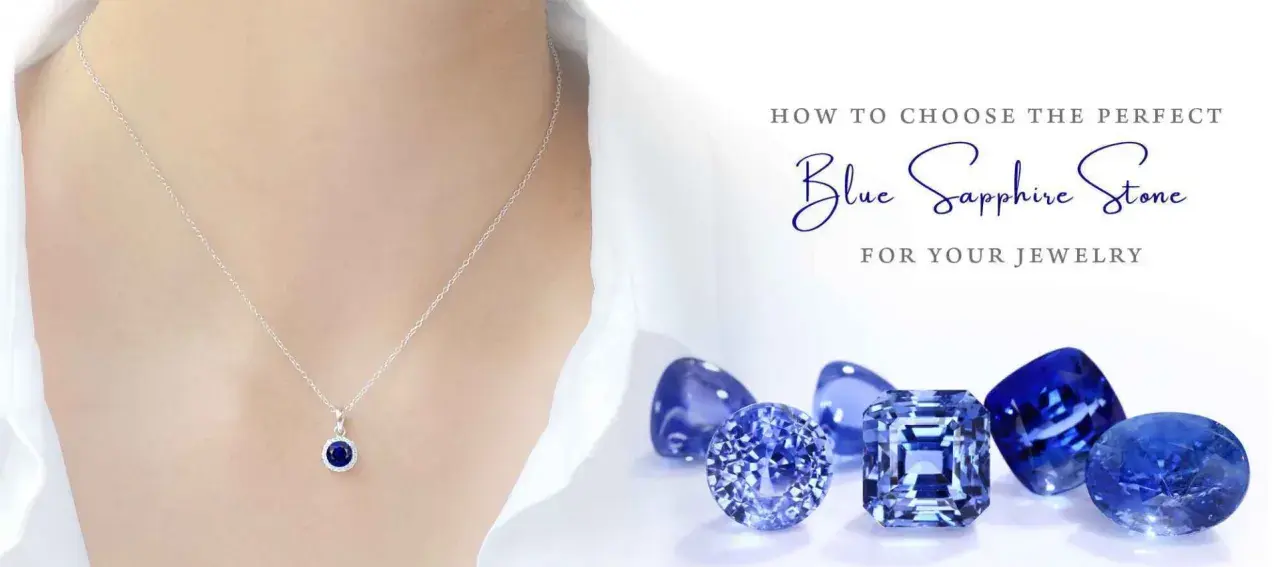
Sapphire jewellery works best when the design matches how you live, not just how it looks in a display case. In this guide I look at the main styles people actually wear, from rings and earrings to brooches and less expected pieces, and I explain how to choose a design that suits both the occasion and the stone. I also cover the practical details that matter in the UK, including durability, treatment, and what I check before I buy.
The quickest way to choose sapphire jewellery is to match the setting to the way you will wear it
- Rings give the strongest visual impact, but they need the most careful setting choice if they will be worn daily.
- Earrings and pendants are the easiest entry point if you want sapphire colour without a large commitment.
- Bracelets and brooches feel more distinctive and can look either vintage or sharply modern depending on the design.
- Platinum, white gold, yellow gold, and rose gold all change the mood of the stone in different ways.
- Heat treatment is common, sapphire is very durable, and the UK market still rewards clear disclosure and proper hallmarks.
The sapphire styles that deserve attention first
When I break down sapphire pieces by style, I usually think in terms of silhouette first and gemstone second. A single blue stone can read as regal, minimal, romantic, or even edgy depending on whether it is set as a ring, a pair of studs, a pendant, or something more decorative.
| Style | What it does visually | Best for | What to watch |
|---|---|---|---|
| Ring | Creates the strongest focal point and shows the stone most often | Engagement, milestone gifts, daily wear if the setting is low profile | Prongs that catch, high mounts, and overly open settings |
| Earrings | Frames the face and gives colour without dominating an outfit | Everyday polish, office wear, evening looks | Weight, length, and balance on the ear |
| Pendant | Draws the eye to the centre of the neckline | Simple wardrobes, layering, gifts | Chain length and whether the stone sits too low or too high |
| Bracelet | Adds movement and flashes of colour with every gesture | Dressier daywear, stacking, occasion dressing | Impact damage from desks, doors, and daily knocks |
| Brooch or pin | Feels more editorial, vintage, and tailored | Blazers, coats, scarves, and formal outfits | Placement and whether the design feels too heavy for the fabric |
That overview matters because sapphire is a versatile stone, not a single look. Once you know which silhouette fits the occasion, the next step is deciding whether you want the gem to lead the design or simply sharpen it.
Sapphire rings that feel wearable, not just precious
Rings are where sapphire design becomes most personal. They are also the place where bad proportions are easiest to spot, because the stone has to hold its own against the hand and the setting has to survive regular contact with surfaces.
Solitaire rings
A solitaire puts one sapphire at the centre and lets the cut, colour, and size do the talking. I like this style when the stone is especially strong in colour, because the design does not compete with it. It is the cleanest choice if you want something that feels timeless rather than ornate.
Halo rings
A halo surrounds the sapphire with diamonds or another border of smaller stones, which makes the centre look larger and brighter. The effect is glamorous and unmistakably decorative, but it can cross into busy territory if the sapphire is already large or the halo is too wide. This is the style I think of when someone wants presence rather than restraint.
Three-stone rings
Three-stone rings have a balanced, symmetrical feel that works well for sentimental pieces. A sapphire in the centre with diamonds or complementary stones at the sides can look classic without feeling stiff. The style also gives the eye more movement across the finger, which makes it appealing if you want elegance without a single heavy focal point.
Vintage and cluster rings
Vintage-inspired rings, including cluster designs and Art Deco references, are often the most characterful. They can look beautiful with sapphires because the stone already carries a sense of history, especially in deep blue. The trade-off is clarity: if the mounting is too crowded, the sapphire can lose its impact. For daily wear, I usually prefer a lower profile or a bezel-style edge so the ring feels less fragile.
Rings are the style most people start with, but they are not the only pieces where sapphire feels natural. Once the stone moves closer to the face, the whole effect changes, which is why earrings and pendants deserve a separate look.
Earrings and pendants that let the stone do the talking
Earrings and necklaces suit sapphire especially well because they bring colour into the line of sight without requiring the same amount of structural protection as a ring. They also make it easier to wear smaller stones beautifully, which is useful if you want the gem to feel refined rather than oversized.
Stud earrings
Studs are the easiest sapphire earrings to wear every day. They sit close to the ear, feel neat under hair, and work with both tailored clothing and softer outfits. If the stones are vivid and the setting is tidy, stud earrings can look more expensive than their size suggests, which is one reason they are such reliable gifts.
Drop and chandelier earrings
Drop earrings add movement, and movement changes how sapphire reads. The stone catches light differently when it swings, so even a modest pair can feel far more expressive than a static stud. This is the style I would choose for evening wear, formal lunches, or events where the jewellery is meant to be noticed from a little distance.
Pendant necklaces
A pendant is the most direct way to wear a sapphire near the centre of the outfit. It works particularly well when the neckline is open and the chain length is chosen deliberately, not left to chance. A simple solitaire pendant looks quiet and polished; a diamond-accented pendant feels more decorative; a vintage-inspired setting can make the whole piece read as heirloom-like.
Hoops and ear climbers
When sapphire is used in hoops or ear climbers, the mood changes again. The gemstone becomes part of a line rather than a single focus, which makes the piece feel more modern and less formal. I find this style works best with smaller stones or repeated accents, because one oversized sapphire can overwhelm the shape.
If you want sapphire colour without committing to a ring, these are the easiest places to start. From here, the next question is whether you want the stone to stay near the face or move into more expressive territory, such as bracelets and brooches.
Bracelets, brooches, and the less expected sapphire pieces
Bracelets and brooches are often overlooked, yet they can be the most distinctive way to wear sapphire. They also tend to say more about personal style, because they are less standard than rings or studs and usually rely on better proportioning to succeed.
Tennis and line bracelets
A sapphire tennis bracelet is elegant because it creates a continuous ribbon of colour. If the stones are well matched, the effect is polished and balanced rather than flashy. I prefer this style when the stones are uniform and the clasp is secure, because the bracelet is only as good as its engineering. On a wrist, even a very beautiful stone can feel awkward if the line is uneven.
Brooches and lapel pins
Brooches bring sapphire into a more tailored space. They sit beautifully on wool coats, blazers, and structured dresses, and they can make a single stone or cluster feel far more intentional than it would in another setting. This is also where sapphires can lean into a vintage or aristocratic mood without looking costume-like, provided the design has some restraint.
Cufflinks and hair ornaments
Cufflinks and hair accessories are less common, but that is exactly why they work. They are strong choices if you want a sapphire detail that feels personalised rather than expected. In formal menswear, cufflinks with sapphire accents add colour without softening the silhouette. In hair ornaments, the stone can look romantic, especially when paired with warm metal and a simple hairstyle.
These pieces prove that sapphire is not only for classic rings or earrings. The stone can be formal, playful, vintage, or quietly luxurious depending on how it is mounted, which leads directly to the design choices that have the biggest effect on the final result.
The metal, cut, and setting change the whole mood
When people talk about sapphire, they often focus on colour alone, but the surrounding metal and the way the stone is cut can alter the piece just as much. I check those three details together because that is usually where a design either comes into focus or falls apart.
| Design choice | Effect | Best use | Trade-off |
|---|---|---|---|
| Platinum or white gold | Gives a cool, crisp contrast and makes blue stones feel sharper | Modern rings, bridal pieces, clean earrings | Can make very dark sapphires look even deeper, sometimes nearly inky |
| Yellow gold | Adds warmth and a more traditional, heritage-like feel | Vintage styles, richer blue tones, yellow and pink sapphires | Can soften contrast if you want a very bright, icy look |
| Rose gold | Feels softer and more contemporary | Romantic rings, fashion-led pendants, pink sapphires | Less obvious for buyers who want a strict classic look |
| Mixed metal | Feels editorial and flexible | Modern collections and pieces worn with varied wardrobes | Can look disjointed if the design is not well resolved |
Cut matters too. Round and oval sapphires usually feel the most versatile, cushion cuts lean romantic, pear shapes elongate the eye, and emerald or baguette cuts create a more architectural look. Cabochons, which are polished without facets, shift the mood toward vintage jewellery, while star sapphires bring a more collector-like, unusual character.
Setting is the last part of the design puzzle. Prongs show more of the stone and maximise brightness, bezel settings protect the edges and suit active wear, halo settings create scale, and channel settings can make small sapphires read as a clean line of colour. If the piece is meant for everyday wear, I usually favour lower-profile settings, because sapphire is durable but the ring or bracelet still has to survive real life.Once the design language is clear, the final decision is practical: whether the stone is described properly, whether the metal is correctly marked, and whether the piece will hold up over time.
What I check before buying in the UK
Buying sapphire jewellery in the UK is easiest when the seller is specific rather than vague. I want to know whether the stone is natural or lab-grown, whether any treatment has been used, and how the metal has been marked. If a seller cannot answer those points clearly, I treat that as a warning sign rather than a small omission.
| Check | Why it matters | What I look for |
|---|---|---|
| Stone origin | Natural and lab-grown sapphires have different values and expectations | A clear description, not just “sapphire” |
| Treatment disclosure | Heat treatment is common and accepted, but it should still be disclosed | Plain language about heating, diffusion, or any other enhancement |
| Hallmark on the metal | UK precious-metal mounts should be properly marked | A visible hallmark on the ring shank, clasp, or suitable part of the piece |
| Independent report | Useful for larger purchases or stones where value matters | A lab report that states whether the stone is natural, treated, or lab-grown |
| Aftercare and returns | Good sellers stand behind workmanship as well as the gemstone | Clear cleaning advice, repair support, and a sensible return window |
GIA notes that sapphire ranks 9 on the Mohs scale, which is why it is such a strong choice for rings and other daily-wear pieces. That said, toughness does not cancel out poor settings or hard knocks, so I still avoid overly exposed mounts for people who use their hands a lot.
For cleaning, warm soapy water is the safest default. GIA also says ultrasonic and steam cleaning are usually fine for untreated, heat-treated, and lattice-diffusion-treated sapphires, but fracture-filled, cavity-filled, or dyed stones should be treated much more gently. In practice, that means I only use aggressive cleaning methods when I know exactly what the stone is, because the treatment history matters as much as the gem itself.
The Goldsmiths’ Company is also a useful reminder here: in the UK, hallmarks tell you about the precious-metal content and the assay office, so they are worth checking rather than assuming. That small habit saves a lot of uncertainty, especially on pieces where the gemstone is only one part of the value.
A sapphire piece that earns its place in a wardrobe
If I were building a small sapphire collection from scratch, I would start with one piece for regular wear and one piece for impact. A pair of studs or a low-set ring handles everyday life well, while a pendant, drop earring, or brooch lets the same gemstone feel more dramatic when the outfit needs it.
The best sapphire jewellery does not try to do everything at once. It succeeds when the stone, metal, and setting agree on the same idea, whether that idea is restrained, romantic, vintage, or sharply modern. When those details line up, the piece keeps its appeal for years, which is exactly what a good sapphire should do.