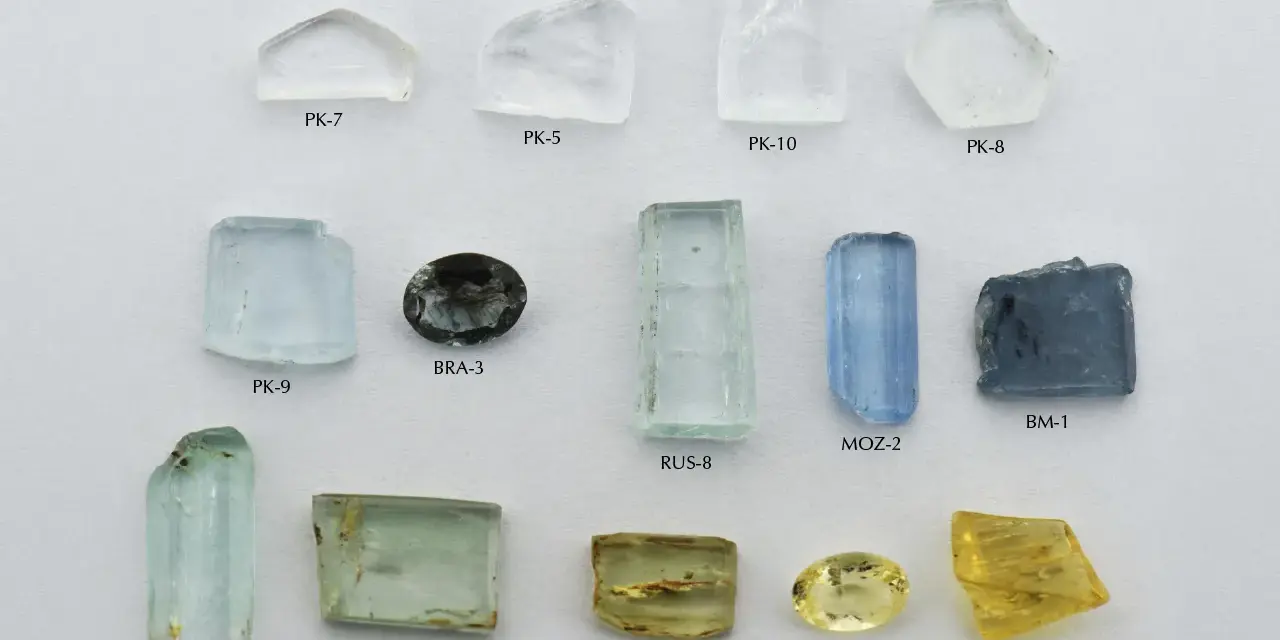
The heliodor gemstone sits in the part of the beryl family that looks bright, modern, and surprisingly wearable. In this guide, I focus on what it is, how to judge colour and quality, which jewellery settings flatter it, and how to care for it so the surface and colour stay lively.
Key facts to know before choosing one
- Heliodor is the yellow to greenish-yellow variety of beryl, and its colour comes mainly from iron.
- It is durable enough for regular wear, with a Mohs hardness around 7.5 to 8.
- Colour quality matters more than size: even, vivid tones are usually more desirable than pale or muddy ones.
- It often looks best in protective settings such as bezels, halos, or sturdy prongs.
- It compares well with citrine and yellow topaz, but it sits below yellow sapphire in hardness and prestige.
What heliodor is and why its colour stands out
Heliodor is a yellow beryl, usually seen in shades that run from pale lemon and soft greenish-yellow to deeper golden tones. The name feels apt because the stone carries a clean, sunlit brightness that can look polished rather than flashy, which is part of its charm. In practice, some sellers use golden beryl for more purely yellow material and reserve heliodor for stones with a slight green tint, but the trade labels do overlap.
The colour comes from iron inside the crystal structure, not from surface coating or a simple lighting trick. That matters because it gives the gem a more coherent, natural character than many yellow stones that rely on heat treatment or heavily modified colour. I also think that is why the best examples feel quietly elegant instead of merely bright. Once you understand the colour range, the next question is whether the stone is practical enough for daily jewellery.
The gemological profile that makes it practical
From a wearability standpoint, this beryl variety has a lot going for it. Its hardness sits around 7.5 to 8 on the Mohs scale, which puts it in the durable range for rings, pendants, earrings, and brooches. It is still a brittle gemstone, though, so hardness should not be mistaken for toughness. A sharp knock can chip an edge even when the surface itself resists scratching.
The stone is doubly refractive, with low birefringence, which means it can show a little extra visual life without appearing overly busy. In plain English, the facets can look crisp and lively, but the doubling effect is subtle rather than dramatic. I would describe it as a stone that rewards a good cut more than an aggressive one.
- Best-fit cuts are usually oval, cushion, emerald, and other shapes that keep the colour balanced.
- Best-fit settings are ones that protect corners and edges, especially for rings.
- Best-fit use is everyday jewellery, provided the mounting is solid and the wearer avoids rough knocks.
That mix of beauty and durability is what makes the gem useful, but it still leaves the question of quality: what should you actually look for when comparing stones side by side?
How I judge colour, clarity, and cut
When I assess yellow beryl, colour comes first. The strongest stones tend to show a bright, even tone that feels lively without drifting into brown or grey. A little greenish tint can be attractive if it stays fresh; too much of it, and the stone begins to lose the warm glow that people usually want from this variety.
| Feature | What I want to see | What makes me cautious |
|---|---|---|
| Colour | Even yellow or yellow-green with clear saturation | Washed-out, muddy, or noticeably brownish tone |
| Clarity | Eye-clean or nearly eye-clean material | Obvious fractures, clouds, or inclusions that dull the face-up look |
| Cut | Good symmetry, lively sparkle, and no windowing | Dead areas, off-centre facets, or a see-through centre that drains colour |
Clarity is usually generous in good beryl, so I am less concerned about tiny inclusions than I am about anything that weakens the face-up colour. Cut matters for the same reason. A shallow stone can look pale in the middle, while a poorly proportioned deep cut can trap light and make the colour feel heavy. If you remember only one thing, let it be this: a strong colour in a mediocre cut will disappoint, while a well-cut stone can elevate a moderate colour. That leads naturally to the broader buying comparison with other yellow gems.
How it compares with citrine, yellow sapphire, and topaz
I usually compare yellow beryl with three familiar alternatives because they sit close enough in appearance to be genuinely useful benchmarks. The differences are not just academic; they change how the gem feels in jewellery, how carefully it needs to be worn, and what sort of budget makes sense.
| Stone | Hardness | Main appeal | Main trade-off |
|---|---|---|---|
| Heliodor | 7.5 to 8 | Bright beryl colour, good everyday wear, refined look | Less famous than sapphire, so quality varies a lot |
| Citrine | 7 | Accessible, warm, widely available | Softer and often more common, with colour that can lean brown |
| Yellow sapphire | 9 | Excellent durability and prestige | Usually much more expensive |
| Yellow topaz | 8 | Strong sparkle and attractive colour range | More vulnerable to chipping because of cleavage |
For me, heliodor sits in a sweet spot. It gives you more substance than citrine, more affordability than yellow sapphire, and a slightly less fragile personality than yellow topaz. In the UK market especially, that comparison helps because sellers sometimes lead with colour first and mineral identity second, so it pays to read the stone description carefully before you fall for the photograph.
Once the choice between the yellow stones is clearer, the next decision is how to mount the gem so it actually looks as good in jewellery as it does loose on a tray.
Which jewellery settings suit it best
I tend to think of this stone as a jewellery stone with a lot of range. It can feel crisp and contemporary in a simple setting, or soft and vintage-inspired in a more decorative design. The trick is to match the mounting to the way the colour behaves face-up.
- Rings work best in bezels, halos, or sturdy prongs that protect corners and reduce the chance of chips.
- Pendants are especially forgiving because they show off colour without taking the daily knocks that rings receive.
- Earrings are a smart choice for slightly paler stones, since movement adds life and helps the colour read more vividly.
- Yellow or rose gold warms the tone, while white gold or platinum can make the colour feel cleaner and more modern.
If I were styling one for a client, I would often choose an oval or emerald cut in a clean bezel or a fine halo, because those designs let the colour lead without overwhelming the gem. A step cut can look particularly elegant if the stone is clean, while a cushion cut can soften the appearance and make the gem feel a little more romantic. Good style always starts with good fit, and that makes care the next sensible topic.
How to clean and store it without flattening the shine
Care is simple, but only if you respect the difference between hardness and toughness. A durable gemstone can still be damaged by impact, grit, or careless storage. The safest routine is the boring one, which is usually the best sign that it works.
- Wash the stone in lukewarm water with a drop of mild soap.
- Use a soft brush only if dirt is caught around the setting.
- Rinse thoroughly so no soap film dulls the surface.
- Pat it dry with a lint-free cloth.
- Store it separately from harder gems such as sapphire or diamond.
I would also avoid ultrasonic or steam cleaning unless a jeweller has confirmed that the stone is clean, unfractured, and free from any special treatment. The same caution applies if the gem is set in a delicate mount, because the setting can be more vulnerable than the stone itself. Keep it off during gym sessions, gardening, and household cleaning, and it will usually stay attractive for years. That leaves the final question I would ask before buying one in the first place.
When this beryl earns a place in a modern jewellery box
If I were buying one in the UK, I would want the invoice to be clear about the gemstone name, any colour enhancement, and whether the stone is natural or treated. I would also want the seller to describe the colour honestly in daylight terms rather than only using flattering language from a studio light. A good return policy helps too, because yellow stones can shift a lot between indoor and outdoor light.As a purchase, this beryl makes the most sense when you want a sunny gem with more individuality than citrine and less commitment than yellow sapphire. It is a strong option for people who like colour but do not want a stone that feels too precious to wear. If the cut is good, the tone is clean, and the setting is protective, it can be one of the most quietly satisfying yellow gems in jewellery.
For me, that is the real appeal of this stone: it delivers light, polish, and everyday wearability without feeling overdone. If you are choosing for a ring, prioritise colour and protection; if you are choosing for a pendant or earrings, let the brightness and shape do the work.