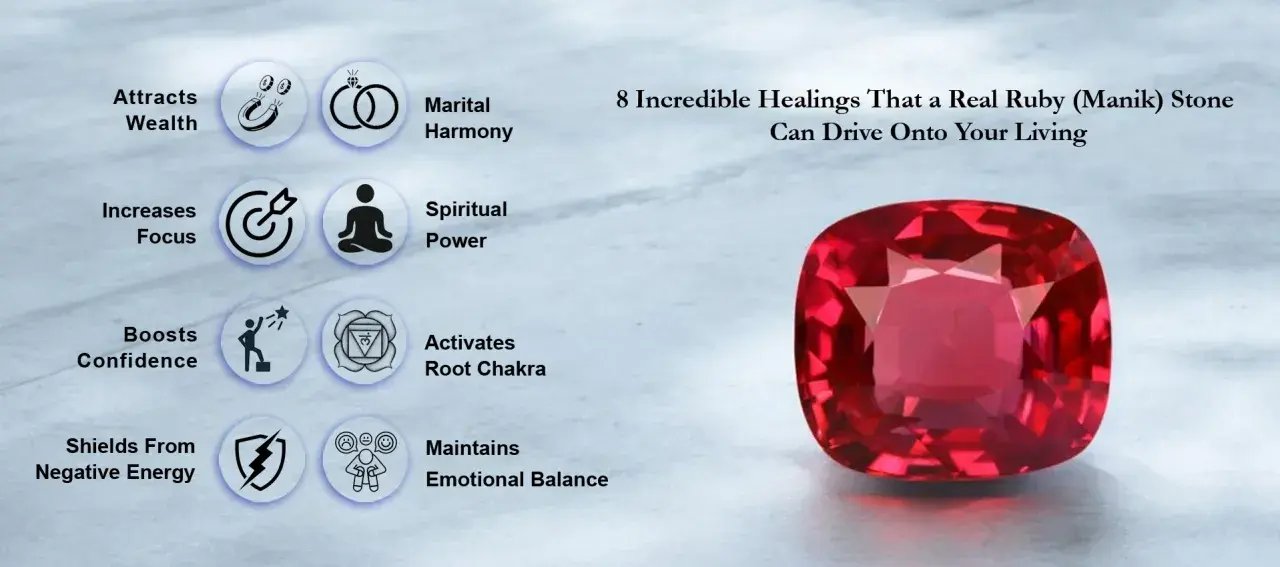
Ruby is one of the few gemstones that carries both emotional heat and a clear sense of status. At its simplest, what does ruby symbolize? Love, vitality, courage, and the kind of confidence that does not need to shout. In jewellery, that symbolism changes with the setting, so a ruby ring, pendant, or anniversary gift can feel romantic, protective, or distinctly regal depending on how it is worn.
Ruby symbolism in jewellery at a glance
- Ruby most often symbolises love, passion, courage, vitality, protection, and prosperity.
- The stone’s red colour does most of the symbolic work, which is why ruby feels so direct and memorable.
- Historically, ruby was linked with royalty, authority, and success, not just romance.
- The same ruby can read differently in a ring, pendant, earrings, or bracelet because the setting changes the message.
- Ruby is durable enough for regular wear, but the treatment type affects how carefully it should be cleaned.
The meanings people usually read in ruby
If I had to reduce ruby symbolism to one phrase, I would call it passion with backbone. The stone is usually associated with love, but not soft or decorative love; it suggests loyalty, commitment, courage, and the decision to show up fully. That is why ruby feels so natural in engagement rings, anniversary pieces, and gifts meant to mark a serious moment.
Ruby also carries meanings that sit just beside romance: vitality, protection, confidence, success, and leadership. Those extra layers matter because they stop the gemstone from feeling one-note. A ruby does not only say “I love you”; it can also say “I trust my judgement,” “I want to be remembered,” or “this moment matters enough to make it permanent.” That broader meaning starts to make more sense once you look at the colour itself.
Why ruby’s red colour feels so symbolic
The red in ruby does a huge amount of symbolic work. Red is the colour most people connect with blood, fire, desire, and physical energy, so ruby instantly reads as alive rather than merely decorative. GIA notes that the name comes from the Latin ruber, meaning red, and links ruby with love and passion.
That visual force is part of the reason ruby feels so different from many other gemstones. A pale stone can suggest delicacy; ruby tends to suggest intent. When I look at a well-cut ruby, I do not just see colour. I see warmth, pressure, and a kind of emotional certainty. That is also why the gem picked up such powerful meanings in older traditions, where it was never treated as ordinary ornament.
The history behind ruby’s royal reputation
Ruby has long been treated as more than a beautiful stone. In ancient India, it was known as the king of precious stones and associated with power, youthful energy, and life force. Other traditions connected it with health, wisdom, wealth, and success in love, while warriors in some cultures believed it offered protection and strength in battle.
That history still matters because it explains why ruby jewellery feels ceremonial even when it is simple. Ruby has also been one of the most prized coloured gems for centuries, so its symbolism was shaped not only by myth but by rarity and status. In practical terms, that means a ruby often carries two messages at once: emotional intensity and visible prestige.
For a UK buyer, that combination is especially useful. It is one reason ruby works so well as a 15th or 40th anniversary gift, where the stone already brings its own meaning to the occasion.
How ruby changes the message of a jewel
In jewellery, ruby symbolism is never detached from design. A ruby ring says something different from a ruby pendant, and the same stone can feel formal, intimate, modern, or heirloom-like depending on the piece around it. That is where many people either get the symbolism exactly right or accidentally flatten it.
| Jewellery piece | What it usually signals | Why the symbolism works |
|---|---|---|
| Ring | Commitment, confidence, celebration | It is the most visible and formal way to wear a ruby. |
| Pendant | Personal meaning, warmth, daily wear | Close to the heart, so the message feels more intimate. |
| Earrings | Elegance, polish, colour without fuss | They frame the face and add a refined accent rather than a large statement. |
| Bracelet | Style-led, lively, expressive | The movement keeps the colour visually active throughout the day. |
I usually think yellow gold gives ruby the richest, most old-world feeling because the metal echoes the gem’s warmth. White gold and platinum make the red look sharper and more contemporary, while rose gold softens the effect and can make the piece feel a little more romantic than regal. That small choice in metal changes the whole reading of the jewel, which is why the next comparison matters so much when you are choosing a stone.
How ruby compares with other red gemstones
If you want the meaning as much as the colour, ruby is usually the strongest choice. But it is not the only red gemstone people consider, and the difference matters. I like to compare rubies with garnets and red spinels because they can look similar at a glance while carrying a very different mood.
| Gemstone | General feel | Typical symbolism | Best when you want |
|---|---|---|---|
| Ruby | Intense, regal, vivid | Love, courage, vitality, prestige | The strongest ceremonial and emotional message |
| Garnet | Earthier, deeper, less formal | Protection, grounding, loyalty | A red stone with a softer, more understated mood |
| Red spinel | Bright, clean, modern | Energy, renewal, individuality | A vivid red look without the same traditional weight |
That does not mean ruby is always “better.” It means ruby is the stone I reach for when the message needs to feel deliberate. Garnet can be more quietly personal, and spinel can feel fresh and less expected. If the point is to make a piece feel historically loaded and emotionally strong, ruby usually wins.
How to choose ruby jewellery that matches the meaning
GIA rates ruby at 9 on the Mohs scale, so it is a practical choice for rings and other pieces that see regular wear. That durability is part of its appeal, but I would still match the piece to the meaning you want and to the way the jewellery will actually be worn.
- Choose a ruby ring when you want commitment, celebration, or a strong daily reminder of a promise.
- Choose a ruby pendant when you want the symbolism to feel personal and close to the heart.
- Choose a ruby with diamonds when you want the stone to feel more formal and heirloom-like.
- Choose a simple solitaire or bezel setting when you want the ruby itself to do the talking.
- Ask whether the stone is untreated, heat-treated, or filled, because the treatment affects care and long-term durability.
For care, warm soapy water is the safest everyday option for most rubies. I would be more cautious with fracture-filled or dyed stones, because they need gentler cleaning and may not suit ultrasonic or steam cleaning. That is the practical side of ruby symbolism: if the piece is meant to last, the stone should be chosen and cared for with the same care as the meaning behind it.
The details that make ruby symbolism feel authentic
The ruby pieces that age best are usually the ones with one clear idea behind them. A deep red stone in a setting that suits the wearer will always feel stronger than a loud design chosen only because ruby is fashionable. When I recommend ruby jewellery, I look for three things: a colour the wearer genuinely likes, a setting that fits their life, and craftsmanship that protects the stone.
That is why ruby works so well in jewellery symbolism. It is expressive without being vague, traditional without feeling dated, and strong without losing romance. If you want a gemstone that can stand for love, courage, and personal power all at once, ruby is one of the clearest choices you can make.