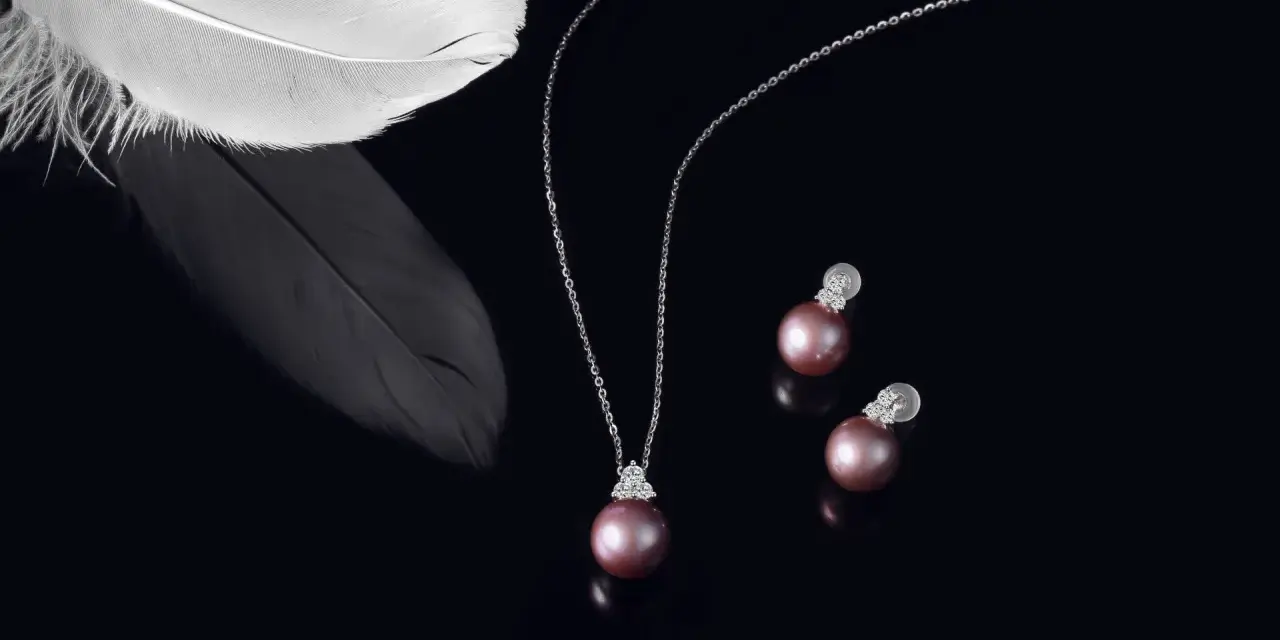
The short version of what pink pearls say
- Pink pearls usually suggest love, compassion, grace, and emotional warmth, with the exact tone shaped by shade and setting.
- Soft blush pearls feel gentle and understated, while deeper rose tones read as more romantic and expressive.
- Not every pink pearl looks the same, because body colour, overtone, and lighting can all change how the pearl is perceived.
- They pair especially well with clean metal settings, rose gold, and simple clothing that lets the colour breathe.
- Pearls are soft gems, so care matters as much as style if you want the piece to last.
What pink pearls usually symbolise
I read pink pearls as a softer extension of classic pearl symbolism. Pearls already carry ideas of purity, wisdom, protection, and emotional resilience, and pink adds warmth, affection, and a more intimate kind of softness. That is why they often feel less formal than white pearls and less severe than darker pearl colours.In practical terms, pink pearls tend to suggest thoughtful love rather than loud romance. They work well when you want jewellery to feel calm, graceful, and personally chosen. I would use them for a gift when the message is meant to be kind, affectionate, or quietly celebratory, not theatrical.
There is also a gentle femininity to them that many people respond to, though I would not reduce them to that alone. In my view, the strongest reading is balance: they are soft without being fragile, elegant without feeling distant. That balance becomes clearer once you look at how the shade itself changes the tone.
How the shade changes the message
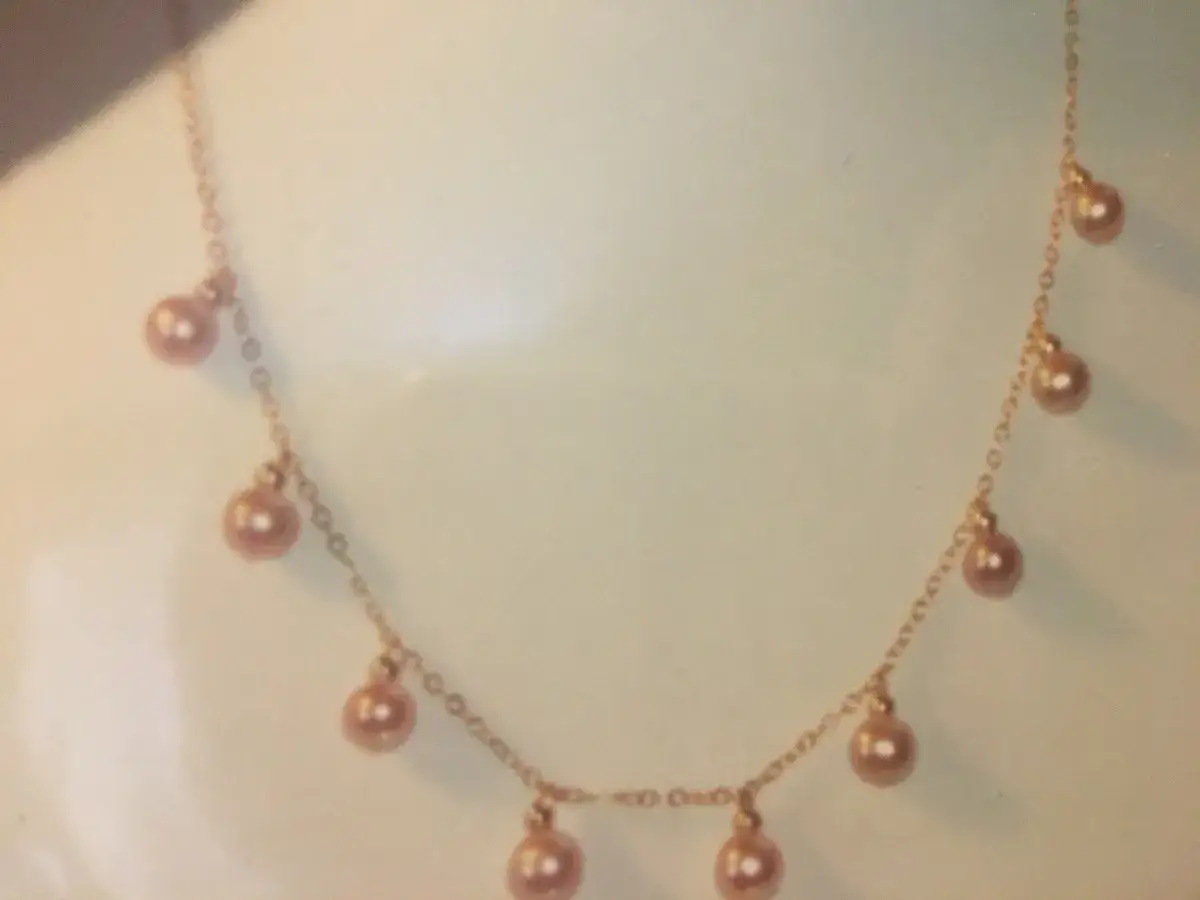
As the GIA notes, pearl body colour is often modified by pink overtones, which is why a piece can look barely blush in one setting and distinctly rosy in another. I think that matters a lot, because colour is doing most of the symbolic work here. A pale pearl can feel almost neutral, while a stronger pink can become the focal point of the jewellery.
| Pink pearl shade | What it tends to suggest | How it usually feels in jewellery |
|---|---|---|
| Soft blush | Tenderness, gentleness, understatement | Quiet, polished, easy to wear every day |
| Rose pink | Affection, warmth, open-hearted romance | Visible without being flashy |
| Peach-pink | Optimism, friendliness, easy elegance | Fresh and slightly modern |
| Deeper salmon or mauve-pink | Confidence, personality, richer emotion | More distinctive and statement-led |
Pink pearls versus white, cream, and black pearls
When I compare pearl colours, I think less about hierarchy and more about mood. White pearls still feel the most traditional, cream pearls feel warmer and slightly softer, pink pearls add emotional warmth, and black pearls bring drama and contrast. Each colour can be beautiful, but each one sends a different signal.
| Pearl colour | Typical impression | Best use |
|---|---|---|
| White | Classic, formal, pure, composed | Bridal looks, heirloom styles, professional polish |
| Cream | Warm, vintage, understated | Soft tailoring, everyday elegance, traditional sets |
| Pink | Affectionate, graceful, inviting | Meaningful gifts, romantic pieces, modern softness |
| Black | Bold, modern, dramatic | Evening wear, statement jewellery, sharper styling |
In a UK wardrobe, that difference is easy to feel. White pearls often read as the safest formal choice, black pearls as the most striking, and pink pearls as the most approachable. I like that middle position because it gives you room to wear them with navy tailoring, camel coats, knitwear, or a simple dress without the jewellery taking over. That makes the styling conversation more interesting, because the next question is not just what pink pearls mean, but how to wear them well.
How pink pearls fit into modern jewellery
Pink pearls are at their best when the rest of the design is restrained. A clean stud, a narrow pendant, or a single strand with a simple clasp lets the colour do the talking. I usually think of them as soft-focus jewellery, which means they flatter without demanding attention.
Metal choice matters more than many people realise. Rose gold amplifies the warmth and romantic side of the pearl, yellow gold gives it a slightly richer, vintage feel, and white gold or silver keeps the look crisp and contemporary. If the pearl is already a strong rose tone, I prefer simpler metalwork, because too much detail can make the piece feel sugary rather than elegant.
For wearability, pink pearls work especially well in three situations. They soften sharp tailoring, they add polish to knitwear and everyday separates, and they bring a thoughtful note to bridal or anniversary jewellery. I see them as especially effective when the goal is to look composed but not severe. A pink pearl necklace with a plain shirt, for example, feels more relaxed than a white strand, but still refined enough for smart settings.
They also make sense as gifts because the symbolism is easy to read without being overbearing. A white pearl can feel traditional, and a diamond can feel too hard-edged for some occasions. Pink pearls sit in a more human space, which is exactly why they are so useful in modern jewellery. Once you know how they are worn, the next decision is choosing a piece that has the right quality and tone.
How to choose a pink pearl piece that feels balanced
When I choose pink pearls, I look first at lustre, surface, and colour consistency, not just at size. A smaller pearl with strong lustre often looks far better than a larger one with a dull finish. The pearl should reflect light cleanly, and the colour should feel even enough that the piece reads as intentional rather than patchy.
| What to check | Why it matters |
|---|---|
| Lustre | Strong lustre gives the pearl life and helps the pink colour look fresh instead of flat |
| Surface | Fewer blemishes usually means a cleaner, more refined finish |
| Colour match | Even colour across a pair or strand makes the jewellery look more deliberate |
| Shape | Round pearls feel classic, while slightly off-round shapes can feel more modern or organic |
| Setting | The right metal and design can either soften or sharpen the pearl’s character |
If budget is part of the decision, I usually find freshwater pink pearls offer the most accessible starting point. Akoya pearls tend to look cleaner and more mirror-like, while larger South Sea pieces sit higher up the price ladder and feel more substantial. That said, the source matters less than the overall balance of the piece. A modest pearl with beautiful lustre will always look better than a more expensive one that feels visually heavy or poorly matched.
One practical warning: many shoppers judge a pearl under warm shop lighting and later feel disappointed at home. Pink can shift quickly from delicate to peachy or even muted once daylight enters the picture. If the exact shade matters to you, I would always check the piece in natural light before committing. That caution becomes even more important when you move from choosing the jewellery to keeping it in good condition.
How to care for pink pearl jewellery
Pearls are not hard gemstones. They sit around 2.5 to 4.5 on the Mohs scale, which means they need a softer routine than most jewellery lovers expect. I treat them as finishing pieces, not as items to wear through perfume clouds, gym sessions, or a rushed morning.
- Put pearls on last, after perfume, hairspray, and skincare have settled.
- Wipe them gently with a soft cloth after wearing to remove skin oils and residue.
- Store them separately in a fabric-lined pouch or box so they do not rub against harder stones or metal edges.
- Avoid ultrasonic cleaners, steam cleaning, and harsh detergents.
- If you wear a pearl strand often, have the string checked regularly and restring it when the silk starts to loosen.
For a frequently worn strand, I would have it inspected roughly every 12 to 24 months. That is not about being precious, it is about preventing avoidable wear. A little maintenance preserves both the look and the symbolism, because pearls work best when they still feel luminous and cared for. With that in mind, the final question is when pink pearls are the right choice in the first place.
Why pink pearls still work when the gift needs to say something specific
When I choose pink pearls for a gift, I ask three simple questions: does the wearer prefer subtle or visible jewellery, do they usually wear warm or cool metals, and should the piece feel romantic, grateful, or simply kind? Those answers usually point to the right shade much faster than any trend forecast.
If the message is quiet, I would choose a pale blush stud or a fine pendant. If the message needs more presence, a deeper rose tone in a clean setting will usually do the job better. What gives the piece meaning is not just the pearl itself, but the way its colour, metal, and occasion line up. That is why pink pearls remain useful: they can be tender, polished, modern, and memorable without trying too hard.
That combination is what keeps them relevant in 2026 and beyond. Pink pearls feel special when the colour is chosen with care, the setting stays restrained, and the wearer can read the piece as both beautiful and personal.