The essentials at a glance
- Gemstone symbolism is interpretive, not fixed; culture, era, and personal story all shape the meaning.
- Diamond, ruby, sapphire, and emerald carry the most widely recognised associations in fine jewellery.
- For daily wear, harder stones are usually easier to live with; softer gems often suit pendants or earrings better than rings.
- Colour matters more than many people expect, especially when a stone is used in a gift or milestone piece.
- Birthstones are a useful starting point, but they are only one way to read a stone’s symbolism.
- The best choice balances meaning, durability, and style rather than chasing symbolism alone.
What gemstone symbolism really covers
When I look at a stone’s meaning, I don’t treat it like a single dictionary entry. A gem can carry several layers at once: colour associations, historical lore, cultural tradition, and personal memory. That is why the same sapphire can suggest loyalty in one piece, calm in another, and formality in a third.
Red stones often lean towards passion, vitality, courage, or love. Blue stones are usually read as truth, peace, or loyalty. Green stones tend to suggest renewal, growth, or harmony. Those broad ideas are useful, but they are not laws. I think of them more as a visual language that helps a piece of jewellery say something before anyone puts that feeling into words.
Birthstones sit inside that wider tradition and remain popular because they make the symbolism easy to recognise. In the UK, I see that shorthand used often for birthdays, anniversaries, and milestone gifts. It works because it is simple, but it is not the only route to a meaningful choice. Once you understand that symbolism is layered, it becomes much easier to read the stones themselves.
The meanings behind the stones people choose most often
Some gemstones have become almost universal symbols in modern jewellery. Others are more niche, but still strong enough to carry a clear message. Here is the practical version I would actually use when helping someone choose a stone.
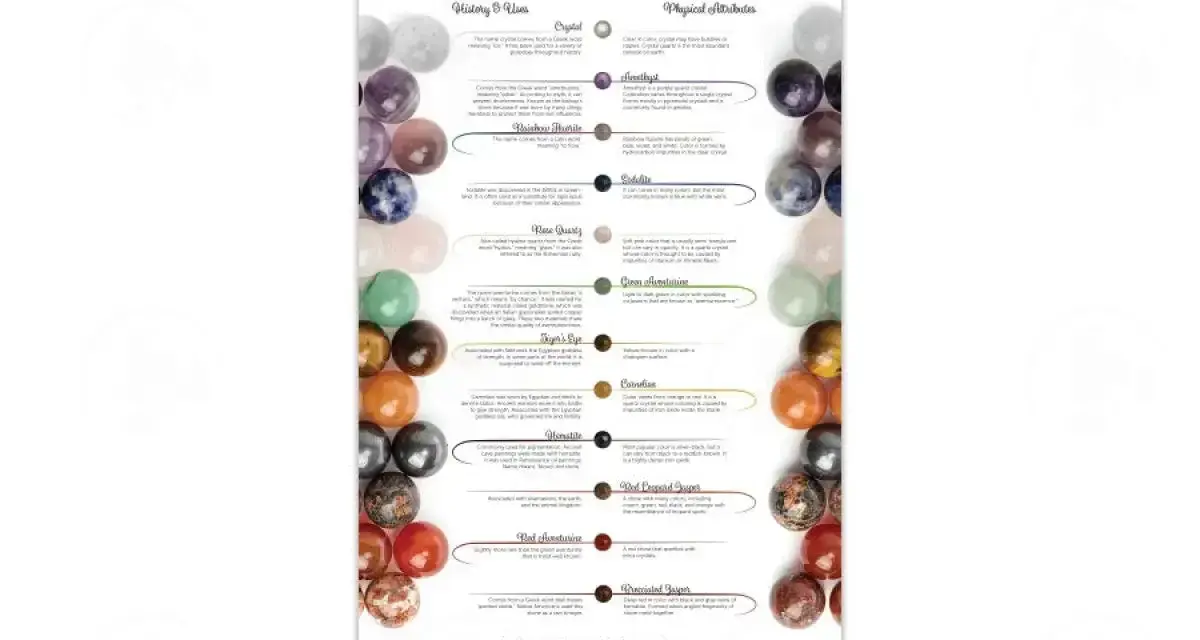
| Stone | Common symbolic reading | What it often suits in jewellery |
|---|---|---|
| Diamond | Strength, clarity, commitment, endurance | Engagement rings, heirloom pieces, milestone gifts |
| Ruby | Passion, courage, vitality, love | Bold rings, anniversary jewellery, statement pieces |
| Sapphire | Wisdom, sincerity, loyalty, peace of mind | Engagement rings, everyday classics, formal jewellery |
| Emerald | Renewal, growth, harmony, emotional balance | Special occasion rings, pendants, elegant dress pieces |
| Amethyst | Calm, balance, clear thinking, restraint | Everyday pendants, stacking rings, thoughtful gifts |
| Aquamarine | Serenity, trust, communication, emotional ease | Light, refined pieces that feel easy to wear |
| Garnet | Protection, friendship, grounding, loyalty | Talismanic jewellery, winter gifts, daily pieces |
| Opal | Creativity, hope, individuality, imagination | Artistic statements, one-off pieces, sentimental gifts |
| Pearl | Purity, wisdom, serenity, quiet grace | Bridal jewellery, classics, understated elegance |
| Citrine | Optimism, confidence, abundance, warmth | Cheerful everyday jewellery, uplifting gifts |
| Moonstone | Intuition, new beginnings, reflection, change | Sentimental gifts, transition pieces, romantic styles |
| Turquoise | Protection, healing, friendship, peace | Talismans, casual jewellery, meaningful charms |
The point of a table like this is not to lock every gem into one definition. Ruby can read as love in one setting and confidence in another. Pearl can feel bridal, classic, or quietly modern depending on how it is designed. That overlap is normal, and it is where jewellery stops being decorative and starts becoming personal.
Why the same stone can mean different things
Symbolism changes because people change. A stone is never read in isolation; it is read through the lens of its colour, its history, and the context of the piece itself. That is why two rings set with the same gem can feel completely different.
Colour often leads the interpretation
People react to colour first. Red feels intimate and energetic. Blue feels calm and trustworthy. Green feels restorative. White, cream, and pale tones often feel pure, refined, or quietly luxurious. So even before a wearer knows the mineral name, the colour has already started to shape the message.
History gives the stone a memory
Some gems carry a long cultural echo. Pearls have often been linked with wisdom and grace. Turquoise has been used as a protective stone in many traditions. Emeralds have long had royal and symbolic weight. I would never claim those associations are identical everywhere, but they do influence how a piece feels when you put it on.
Read Also: Rhodochrosite - Symbolism, Benefits & How to Wear It Well
The setting decides how formal the meaning feels
A large emerald in yellow gold reads differently from a small emerald in a clean bezel. The first feels ceremonial; the second feels modern and easier to wear every day. The same is true for black onyx, sapphire, or pearl. Metal choice, cut, scale, and setting all push the symbolism in one direction or another. A stone does not speak alone; the design is part of the sentence.
Once you start noticing those shifts, you can choose with much more precision. That is the part most people miss when they focus only on the gem itself.
How I choose a meaningful stone that still suits daily wear
If I were choosing a stone for myself or for someone else, I would not start with the rarest option. I would start with the message, then test it against real life. A beautiful gem that can’t survive the wearer’s routine is a bad long-term choice, no matter how strong its symbolism is.
-
Decide what you want the piece to say.
Love, calm, protection, confidence, remembrance, and new beginnings are the most common themes. If the message is unclear, the stone choice will feel vague too.
-
Match the stone to the job.
Rings take the most knocks. Pendants and earrings are gentler on delicate stones. In practice, that means I would happily choose an opal for a pendant, but I would think harder before making it a daily ring.
-
Check durability before you fall in love with the symbolism.
Hardness measures scratch resistance, but toughness matters too, meaning how well a stone resists breaking or cleaving. For a ring worn every day, I usually look for stones around Mohs 7 or above as a sensible starting point.
-
Let the metal support the mood.
Yellow gold usually feels warmer and richer. White metals feel cooler and more contemporary. Rose gold softens the look. The same stone can read romantic, classic, or modern depending on that choice.
-
Use budget as a filter, not a compromise.
Some stones carry strong symbolism without demanding a high price. Others are expensive because of rarity, not because they are more meaningful. That distinction matters if you want the story of the piece to stay clear.
My rule of thumb is simple: the best gemstone is the one whose meaning matches the wearer’s life. In the UK, that often means choosing differently for a dress ring, a daily pendant, and a one-off anniversary gift.
When symbolism and care need to agree
A stone can mean the right thing and still be the wrong choice if it needs too much protection. I have seen people buy a gemstone for its symbolism, then stop wearing it because they do not want to baby it. That is avoidable if you think about care at the same time as meaning.
| Stone family | Care reality | Best use |
|---|---|---|
| Diamond, sapphire, ruby | Generally the easiest to live with in rings and bracelets | Frequent wear |
| Emerald | Often more sensitive because inclusions and treatments can make aggressive cleaning risky | Protective settings, pendants, occasional rings |
| Opal, pearl, turquoise | More vulnerable to heat, chemicals, knocks, and ultrasonic cleaners | Pendants, earrings, occasional wear |
| Amethyst, citrine, aquamarine, moonstone | Middle ground: attractive and wearable, but still worth sensible settings and gentle cleaning | Many rings and pendants |
For routine care, I would keep the approach plain: mild soap, lukewarm water, a soft cloth, and separate storage so stones do not scratch each other. I would avoid ultrasonic or steam cleaning unless the gem and its setting are known to tolerate it. That matters more than people think, because a symbolic piece loses its appeal fast if it becomes fragile in daily use.
The safest choice is not always the softest-looking one, and the prettiest gem is not always the most practical. If you want a stone to stay meaningful for years, care has to be part of the decision from the start.
A simple way to choose without second-guessing it
If you want the shortest possible method, this is the one I use: pick one theme, narrow it to two or three stones, and remove any option that will not suit the way the jewellery will actually be worn. That leaves you with a choice that is emotionally clear and technically sensible.
-
Choose the main idea.
Love, protection, calm, growth, or confidence. One clear idea is better than five competing ones.
-
Trim the list by wearability.
If the piece will be worn often, prioritise durability. If it is for special occasions, symbolism can carry more weight than toughness.
-
Let the design do some of the storytelling.
Shape, metal, and setting can sharpen or soften the message without changing the stone itself.
-
Choose the option that still feels right without the label.
If you would like the stone even after forgetting its traditional meaning, that is usually the right sign.
That is the balance I would aim for: let the symbolism deepen the piece, then make sure the setting and durability allow you to live with it. When the story, the style, and the practical side all line up, the jewellery feels thoughtful rather than decorative.