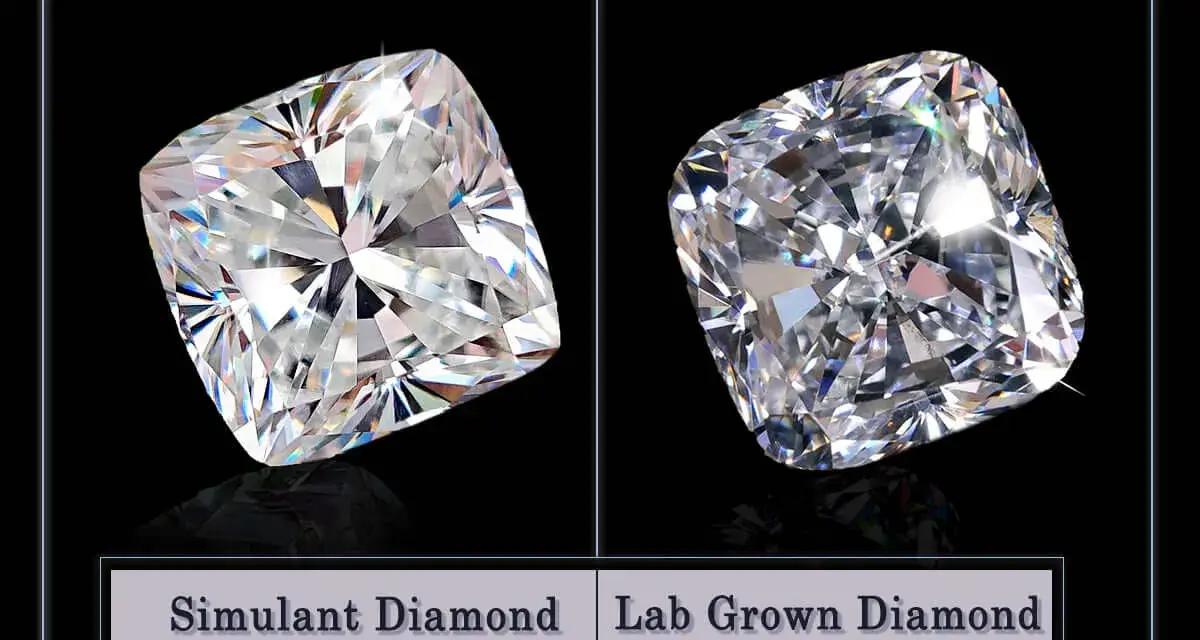
The simplest way to read simulated diamonds is to separate appearance from identity
- Simulated diamonds are real materials, but they are not real diamonds.
- Laboratory-grown diamonds are real diamonds, while simulants only imitate diamond’s look.
- Common simulants include cubic zirconia, moissanite, white sapphire, and glass-based fashion stones.
- Durability varies a lot, so the best choice depends on whether the piece is for daily wear or occasional use.
- In UK jewellery listings, clear naming matters. Vague wording is a red flag.
What simulated diamonds actually are
I prefer the term diamond simulant because it is more precise. It means a stone made to resemble a diamond in appearance, but with a different chemical structure and different optical behaviour. That is why a simulant can look bright and attractive without actually being a diamond.
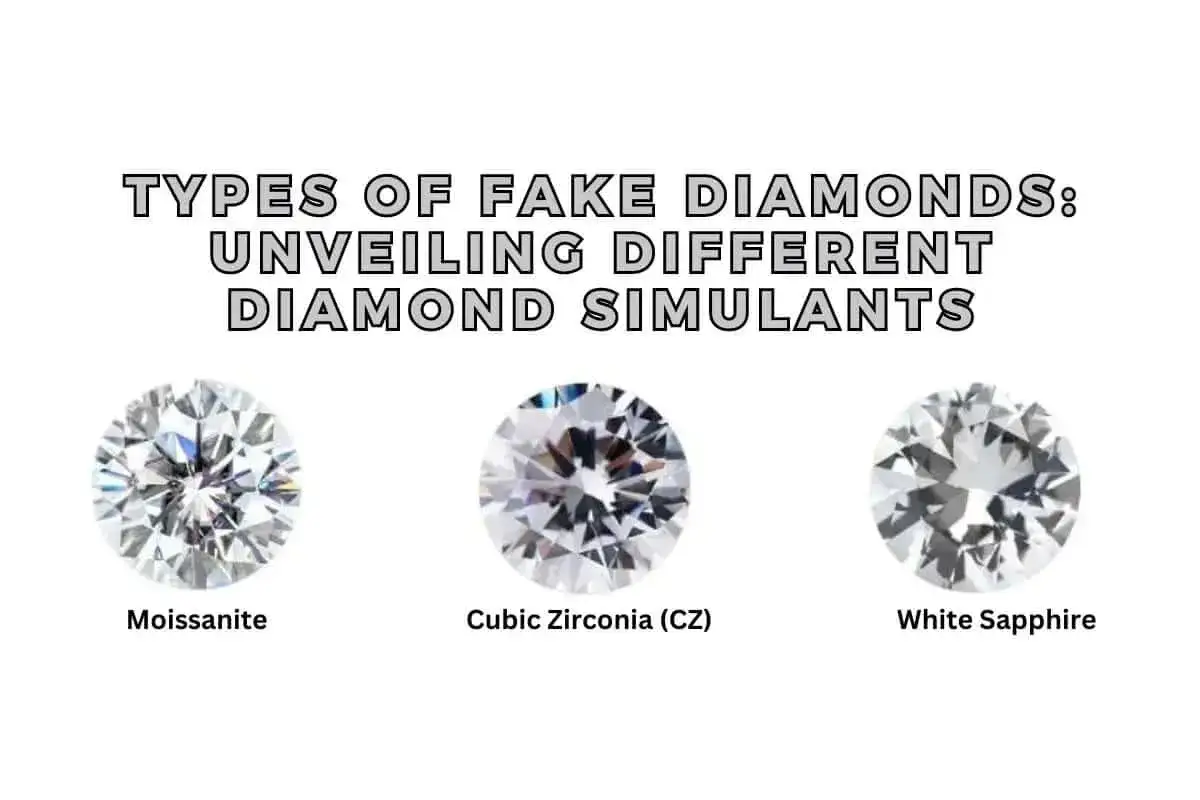
The most common examples are cubic zirconia, moissanite, white sapphire, and, in lower-cost fashion jewellery, glass or crystal. Some of these are synthetic, some are natural, but the key point is the same: they are being used to copy the look of a diamond rather than being a diamond themselves. That makes the next distinction worth getting right: what the stone actually is.Are simulated diamonds real?
My short answer is no, not if you mean a real diamond. A simulated diamond is a real stone or material, but it is made to imitate diamond rather than share diamond’s crystal structure. In other words, it is genuine as a product, yet it is not a diamond in the gemological sense.That distinction matters because buyers often mean two very different things when they ask the question. Some want a stone that is physically real and attractive, while others want the rarity, hardness, and identity of a diamond itself. Once you separate those two ideas, the comparison with other stone types becomes much clearer.
How they differ from natural and laboratory-grown diamonds
This is the part that usually clears up the confusion. A laboratory-grown diamond is not a simulant, because it is still a diamond. It has the same basic carbon crystal structure as a natural diamond, even though it is created in controlled conditions instead of forming underground over geological time.
| Stone type | Is it a diamond? | What it is | What that means for buyers |
|---|---|---|---|
| Natural diamond | Yes | Formed by nature over millions to billions of years | The traditional choice for rarity, durability, and long-term recognition |
| Laboratory-grown diamond | Yes | Grown in a lab, but chemically and structurally diamond | A real diamond with a different origin and usually a lower price |
| Diamond simulant | No | Made from a different material that copies diamond’s appearance | Usually cheaper, but often with different sparkle, hardness, and resale expectations |
That table is the simplest way I know to avoid an expensive misunderstanding. If a seller calls something a laboratory-grown diamond, you are buying a diamond. If they call it a simulant, you are not. From there, the real question is which simulants are worth considering.
The most common simulants you will see in jewellery
Not all simulants behave the same way. Some are designed for affordability above all else, while others try to get closer to diamond in durability and brilliance. If you know the main options, it becomes much easier to judge a piece at a glance.| Material | Why people choose it | Practical limitations |
|---|---|---|
| Cubic zirconia | Very affordable, bright, and widely available | Hardness is around 8 to 8.5 on the Mohs scale, so it can scratch and wear more quickly than a diamond |
| Moissanite | Much more durable than many other simulants and lively under light | Its sparkle is often more fiery and rainbow-like than diamond, which some people love and others do not |
| White sapphire | A natural gemstone with a quiet, understated look | Less brilliance than diamond, so it can read as softer and more muted |
| Glass or crystal | Cheap, decorative, and suitable for fashion pieces | Least durable and easiest to mark, so I would treat it as occasional-wear jewellery only |
One practical nuance is worth keeping in mind. A white sapphire is a real gemstone, but when it is used to imitate a diamond, it still functions as a simulant. That is why the stone’s role in the design matters just as much as its name. Once you know the material, the next question is whether it suits real-life wear.
What affects value and everyday wear
If I am being blunt, most simulants should be bought for beauty and budget, not for investment. They can be excellent for a specific purpose, but the value story is very different from that of diamonds. What matters most is how well the stone matches your lifestyle.
Durability is a good place to start. Diamond ranks 10 on the Mohs scale, moissanite is about 9.25, white sapphire is around 9, and cubic zirconia is usually 8 to 8.5. That does not mean every lower-ranking stone is fragile, but it does mean some are better suited to a ring you wear every day while others are better for occasional use.
- Cubic zirconia is excellent for low-cost sparkle, but it can lose polish over time.
- Moissanite is a stronger daily-wear choice if you like a brighter, more fiery look.
- White sapphire is durable enough for regular use, but it gives a softer visual effect.
- Glass and crystal are best viewed as decorative, not hard-wearing, stones.
For buyers who compare prices, the biggest trap is comparing a simulant with a diamond as if they were the same purchase. They are not. The right comparison is between the stone’s appearance, durability, and maintenance needs. That leads naturally to the part that saves the most mistakes: the label on the ticket.
How to buy one in the UK without being misled
In UK jewellery retail, clarity matters. I would not treat a vague phrase like “diamond alternative” as enough information, because it can hide very different materials. The safest approach is to ask exactly what the stone is and get that answer in writing on the receipt or product page.
Here is the checklist I would use before buying:
| Question to ask | Why it matters |
|---|---|
| What material is the stone? | This tells you whether you are looking at cubic zirconia, moissanite, white sapphire, glass, or a real diamond. |
| Is it a laboratory-grown diamond or a simulant? | That single detail changes the whole category of the stone. |
| How should I clean it? | Different stones tolerate different levels of abrasion, heat, and ultrasonic cleaning. |
| What is the return policy? | Useful if the colour, sparkle, or size looks different in person. |
| Can you state the material on the invoice? | Clear paperwork protects you later if you ever resell or insure the piece. |
In practice, the best UK listings are the ones that name the material plainly. If it is a simulant, it should be described as such. If it is a laboratory-grown diamond, that should be clear too. That transparency is not just a legal nicety, it is the only way to compare pieces honestly.
The choice gets easier when you buy for the job, not the label
If your goal is the most sparkle for the least money, cubic zirconia still makes sense. If you want something tougher that can survive daily wear with less drama, moissanite is usually the stronger simulant. If you want a true diamond, I would look at either natural or laboratory-grown stones instead, because that is where the category changes completely.
My practical rule is simple: buy the material you actually want, make sure the naming is specific, and do not let the word “diamond” do the work of explanation. Once you read the label properly, the question stops being confusing and becomes a straightforward decision about style, durability, and budget.