The top of the gemstone market is dominated by extraordinarily rare coloured diamonds
- Pink diamonds currently lead the public auction record books, especially when rarity, size, and clarity line up in one stone.
- The highest widely cited price-per-carat record belongs to the Williamson Pink Star, a fancy vivid pink diamond.
- Red diamonds remain iconic because they are among the rarest fancy colours, but rarity alone does not always translate into the highest total price.
- Pearls can be exceptionally valuable, especially natural pearls, yet they are judged by different quality factors than faceted gems.
- Carat weight is only one part of value; colour, provenance, treatment, and market demand can matter more.
How I would answer the question straight away
If I had to name the current public-market leader, I would point to a fancy vivid pink diamond. That is the stone type most often sitting at the very top of auction records, because the best examples combine extreme rarity with strong collector demand and enough size to matter financially. In practical terms, that means the answer is less about “the biggest gem” and more about “the rarest gem in the right colour, with the right paperwork, at the right sale.”
That distinction matters in the UK market as much as anywhere else. A stone can look impressive in a boutique window and still fall far behind a museum-grade gem that has provenance, lab certification, and a history collectors trust. Once you separate total sale price from price per carat, the ranking becomes much clearer, and the market stops looking contradictory. From there, the real question is why pink diamonds usually win.
Why a vivid pink diamond usually wins the top spot
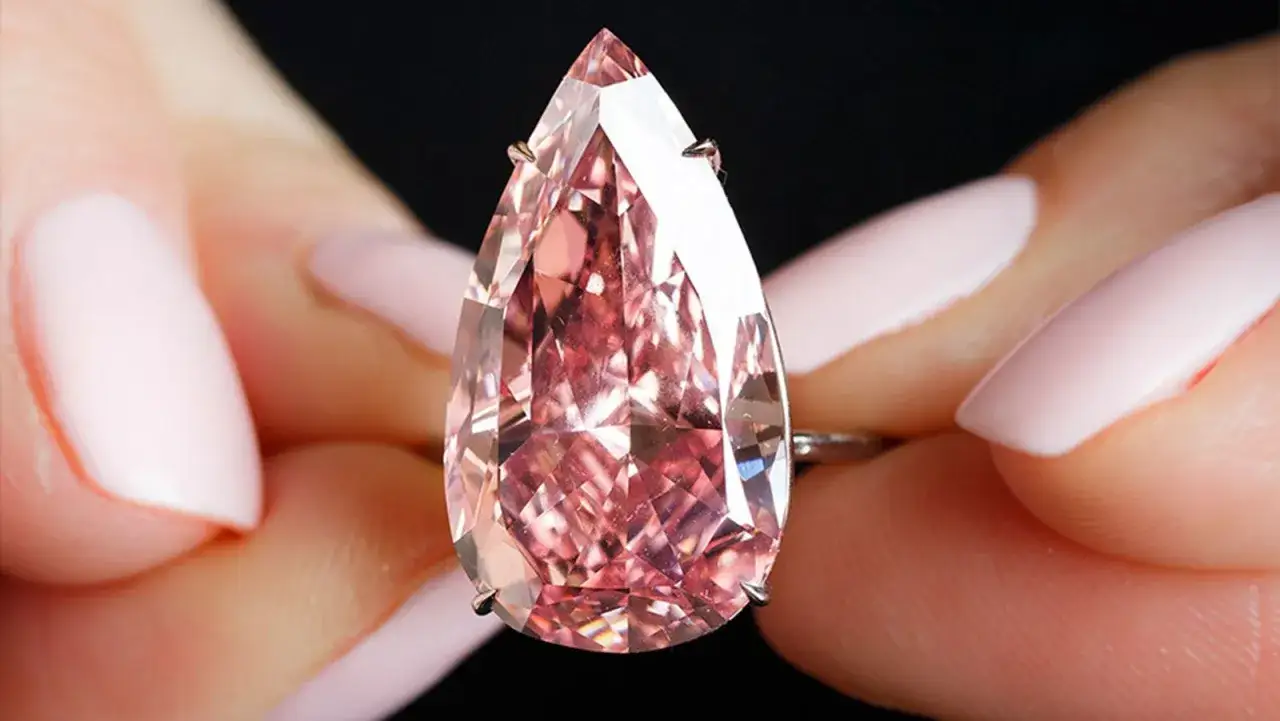
Pink diamonds dominate the upper end of the market because they are not just rare; they are rare in a way that collectors can recognise instantly. A vivid pink stone with strong saturation, excellent clarity, and a meaningful carat weight is the kind of gem that attracts serious bidding from across continents. Sotheby’s has described the Williamson Pink Star as setting a world record price per carat for any diamond or gemstone, while the CTF Pink Star remains the benchmark for the highest total auction price ever achieved by a diamond.
There is also a technical reason these stones perform so well. In the best examples, the colour is strong enough to be visually arresting without becoming muddy or brownish, and the diamond is often internally flawless or close to it. That combination is rare enough on its own. Add a large, well-cut stone and you have the kind of object that collectors treat as both a jewel and an asset.
| Stone | Notable record | Why it matters |
|---|---|---|
| Fancy vivid pink diamond | Williamson Pink Star sold for US$57.7 million and set a price-per-carat record of US$5,178,124 | This is the clearest example of how colour, size, and rarity can push a gem to the top |
| Fancy vivid blue diamond | Blue Moon of Josephine sold for US$48.5 million and held the record before the pink diamond overtook it | Blue stones remain elite, but the record shows how narrow the gap at the very top can be |
| Fancy red diamond | Hancock Red achieved US$926,315 per carat in 1987 | Red is rarer than pink in the fancy-colour category, but the market has fewer large public sales to compare |
The pattern is simple: when a stone is both visually extraordinary and extremely scarce, the market will pay for it. That is why pink diamonds so often sit at the summit, even before you start comparing them with other gems outside the diamond family. From here, the obvious follow-up is whether red diamonds are actually rarer, and the answer is yes, but rarity and market value are not identical things.
Why red diamonds are still the stones collectors chase hardest
Red diamonds are the stones that make even seasoned gem buyers pause. They are among the rarest natural gems on Earth, and pure red examples are especially prized because they are not simply pink stones with a stronger tone; they are a separate and much more elusive category. GIA has long treated red diamonds as the extreme edge of fancy-colour rarity, and that reputation is deserved.
What red diamonds do not always have is the same public-market visibility as pink diamonds. A truly fine red diamond may be so small that it never creates a headline-grabbing total price, even if its per-carat value is extraordinary. That is why people sometimes assume “rarest” and “most expensive” mean the same thing when, in practice, they do not. Red diamonds are often the most coveted by specialists, but the auction record books have been shaped more often by pink stones with enough size to trigger a fierce bidding war.
I think that is the most useful way to understand the category: red diamonds sit at the very top of rarity, while pink diamonds more often dominate the record tables. If you are judging value by the market rather than by romance, that difference matters a lot.
The other stones that can compete on price
Once you move beyond coloured diamonds, a few other gems can still reach remarkable prices. Rubies are the most obvious example. The finest Burmese stones, especially those with the deep, saturated red often referred to as pigeon’s blood, can sell for astonishing sums, and the best examples have set auction records well above what many buyers expect from a coloured stone. Sapphire can also perform at the very top end, particularly in Kashmir blue, while jadeite can be a serious contender in Asian auction markets.
The important point is that these stones compete in different ways. Ruby value leans heavily on colour saturation and origin. Sapphire prices can rise sharply when the colour is vivid, the stone is unheated, and the provenance is excellent. Jadeite is a different world again, where translucency, colour, texture, and cultural preference play a huge role. In other words, there is no single ladder for all gemstones; there are several overlapping markets, and each one has its own rules. GIA’s coloured-stone value work makes the same basic point: rarity, colour, cut, and size all interact, and no single factor can explain a top price on its own. That is why a smaller stone can outprice a larger one if its colour and quality are exceptional.| Gemstone | How it competes | Typical value driver |
|---|---|---|
| Ruby | Top rubies can sell for multi-million sums and rival high-end diamonds in prestige | Strong red colour, fine origin, and minimal treatment |
| Sapphire | Exceptional blue stones can be among the most valuable gems in the world | Colour quality, clarity, and whether the stone is heated or unheated |
| Jadeite | Rare bead necklaces and carvings can command very high auction prices | Translucency, imperial green colour, and matched material |
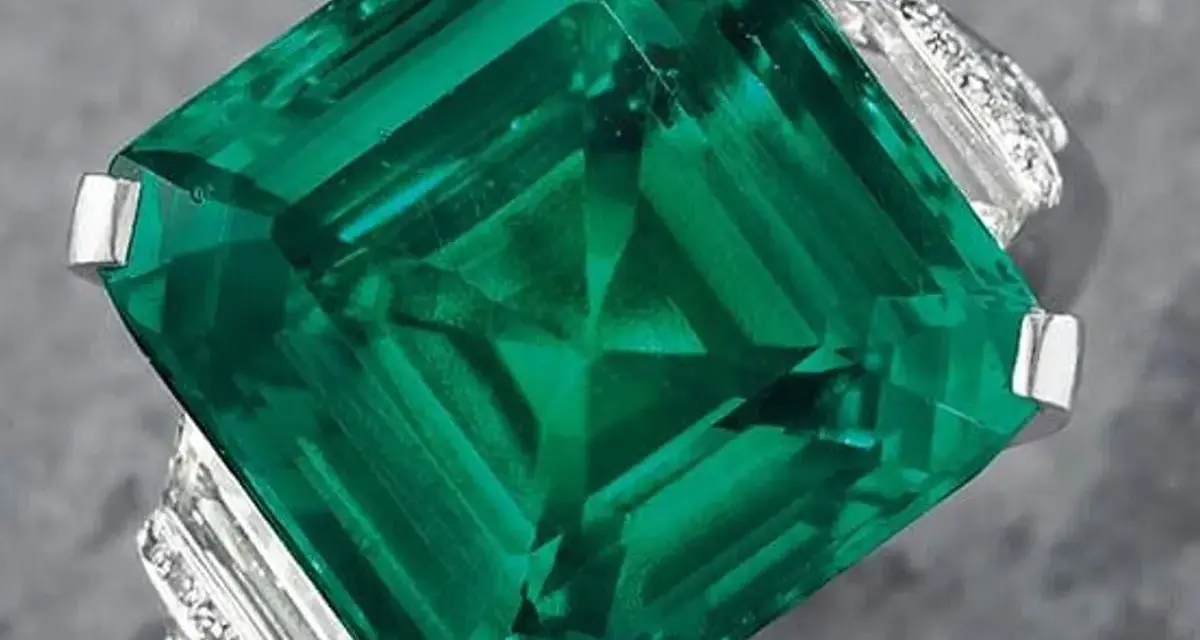
| Emerald | Fine stones can become highly valuable, though inclusions are common | Colour richness, cut, and the quality of any clarity enhancement |
So while pink diamonds usually sit at the very top of the market, the surrounding field is not weak at all. The best rubies, sapphires, and jadeite pieces can all justify serious prices when the quality is there. That said, pearls follow a different logic altogether, and they deserve their own space in the conversation.
Where pearls fit in the value ladder
Pearls are often left out of gemstone rankings, but that is more a matter of classification than importance. The finest natural pearls are exceptionally rare, and historical pieces can achieve remarkable totals. Elizabeth Taylor’s La Peregrina, for example, sold for more than US$11.8 million at auction, which is enough to remind anyone that pearls are not decorative afterthoughts when the material and history are right.
Still, pearls are valued by a different set of rules from faceted gems. Their quality depends on size, shape, colour, luster, surface condition, nacre quality, and matching. That means a pearl buyer is looking for beauty, but also for harmony across a strand or pair of earrings. A flawless pearl with superb luster can be extraordinary, yet even the best pearl generally competes in a different tier from the rarest coloured diamonds.
For me, that is the real distinction. Pearls can be spectacular, and natural pearls especially can be investment-grade objects, but they do not usually set the same price-per-carat style benchmarks because they are assessed through a different lens. If you are comparing a pearl necklace with a top coloured diamond, you are not really comparing like for like.
What I would check before paying top money for a gem
If you are trying to judge whether a gem really deserves a premium, I would start with documentation. A laboratory report, clear treatment disclosure, and a believable provenance trail matter more than most buyers realise. At the high end, the market is full of stones that look spectacular in isolation but lose a lot of value once a treatment, weak origin story, or poor transparency comes to light.
- Check the colour first. For coloured diamonds and many gemstones, the intensity and purity of colour drive value faster than carat weight alone.
- Ask about treatments. Heat, fracture filling, irradiation, and other enhancements can change the value dramatically.
- Look for origin when it matters. Burmese ruby, Kashmir sapphire, and certain jadeite sources can move a stone into a different price tier.
- Separate size from quality. A larger gem with weak colour often trails a smaller gem with exceptional visual performance.
- Respect provenance. Auction history, famous ownership, and exhibition history can add meaningful value at the top end.
- Do not confuse retail markup with market value. A shop price and a strong auction result are not the same thing.
In the UK, that last point is especially important because buyers often see polished retail pricing and assume it reflects the broader market. It usually does not. Auction records, collector demand, and certification tell you far more about the true value ceiling. That is why the safest way to think about expensive gems is to ask what is rare, what is documented, and what the market has already rewarded.
What I would remember before judging any gem as the priciest
If you want the cleanest answer, the current public-market champion is a fancy vivid pink diamond. If you want the most famous rarity story, red diamonds remain the most fascinating category because their scarcity is so extreme. And if you want a broader truth, it is this: at the very top of the market, value is never just about carats. It is the intersection of colour, clarity, size, provenance, and the emotional pull of a stone that very few people will ever see in person.
That is why the answer changes depending on the metric, but not the message. The stones that lead the market are the ones that are both beautiful and brutally scarce. For anyone collecting jewellery in the UK or simply learning how high-value gems work, that is the distinction worth remembering when a stone is described as the best, the rarest, or the most valuable.